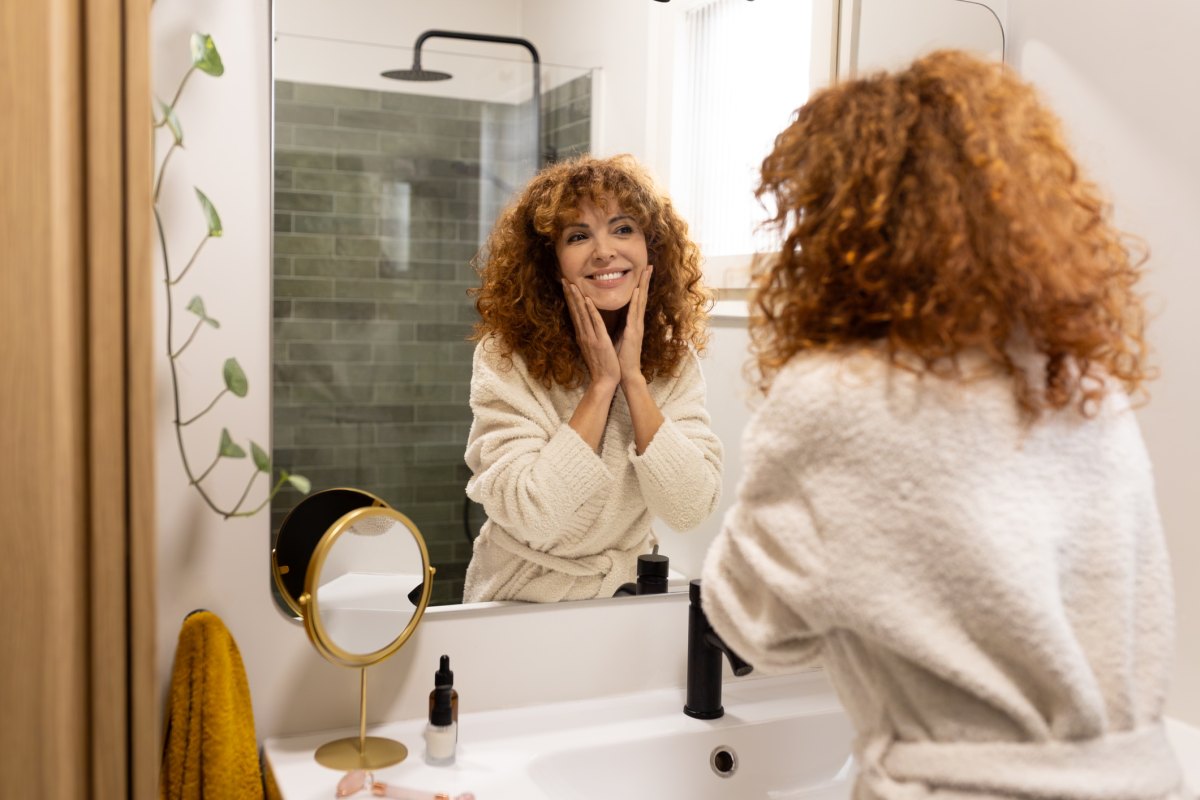

The 10-step routine wore you out, and you are not alone. After years of chasing trending serums and TikTok hacks, the people who turned skincare into a lifestyle are stepping back, and the beauty industry is finally catching up.
Gen Z and Gen Alpha together control spending power projected to top $17 trillion by the end of the decade, and they are redirecting it toward slow beauty, a pared-back approach that trades viral micro-trends for fewer products, mindful rituals and ingredients that actually work. That shift is already reshaping how brands launch, package and price what they sell.
What Slow Beauty Actually Means
Slow beauty is a whole-person approach to skincare that encourages slowing down, developing self-care and evaluating how beauty products impact the planet and people, according to Elle.
In practice, it looks like minimalist, recovery-focused routines across skin, body and hair. Products get chosen for their mood-modulating, nervous-system-supportive effects, and launches follow the seasons and a narrative rather than the algorithm. Forecasting firm WGSN describes the movement as a return to reduce, reuse and recycle, with consumers investing in higher-quality actives, simple eco-friendly packaging and a simplified routine overall.
The point is not deprivation. Slow beauty prioritizes the essentials that work for your specific skin type over an exhausting, expensive stack of serums you rarely finish.
Why Slow Beauty Matters Right Now
Mintel’s 2026 Global Beauty and Personal Care Predictions names slow beauty a defining macro trend, with consumers craving “mindful, unhurried rituals” over trend chasing. The Global Wellness Summit has flagged a parallel surge in nervous system regulation content on TikTok, where the hashtag has collected more than 260,000 posts as younger users fold emotional well-being into daily routines.
That timing tracks with a wider cultural fatigue. Buying 10 products to perform one routine, then swapping them out every few weeks for the next viral launch, is expensive and draining. Slow beauty offers a reset.
The Money Behind the Movement
The spending numbers explain why brands are paying attention.
- American Gen Z teens spend $374 per year on beauty, with fragrance surging 22 percent, and account for 35 percent of total beauty website traffic.
- Gen Alpha drives nearly half of household spending and more than $100 billion in direct annual purchases.
- Gen Alpha spending power is projected to reach $5.5 trillion by 2029, and Gen Z is forecast to reach $12 trillion by 2030.
Those are digitally native consumers who are also digitally depleted. Brands designing for slower, more deliberate experiences stand to capture them.


One brand already built on that bet is Kindred Black, founded in 2014 by Alice Kindred Wells and Jennifer Black Francis. It runs on limited batches and seasonal scarcity, working directly with farm partners for hand-extracted ingredients like lilac enfleurage oil sourced from seasonal blossoms. When the season ends, the product is gone until next year. Francis told Beauty Matter that a venture capitalist would call that a major shortcoming, but she and her co-founder call it their business model.

Slow Beauty Rituals to Try
The practice is less about products than about pace. Common rituals include exfoliation, dry brushing and facial massage. Others reach for gua sha, ear seeding or mindful meditation.
Two habits make the shift stick.
- Simplify your skincare. Know your skin type and which ingredients work for it. Natural, vegan and cruelty-free products are worth the investment, and sensitive skin especially benefits from avoiding fillers like artificial colors and PEG surfactants.
- Build sustainable habits. Support sustainable and local brands and make conscious purchasing choices. The payoff shows up on skin and in the environment.