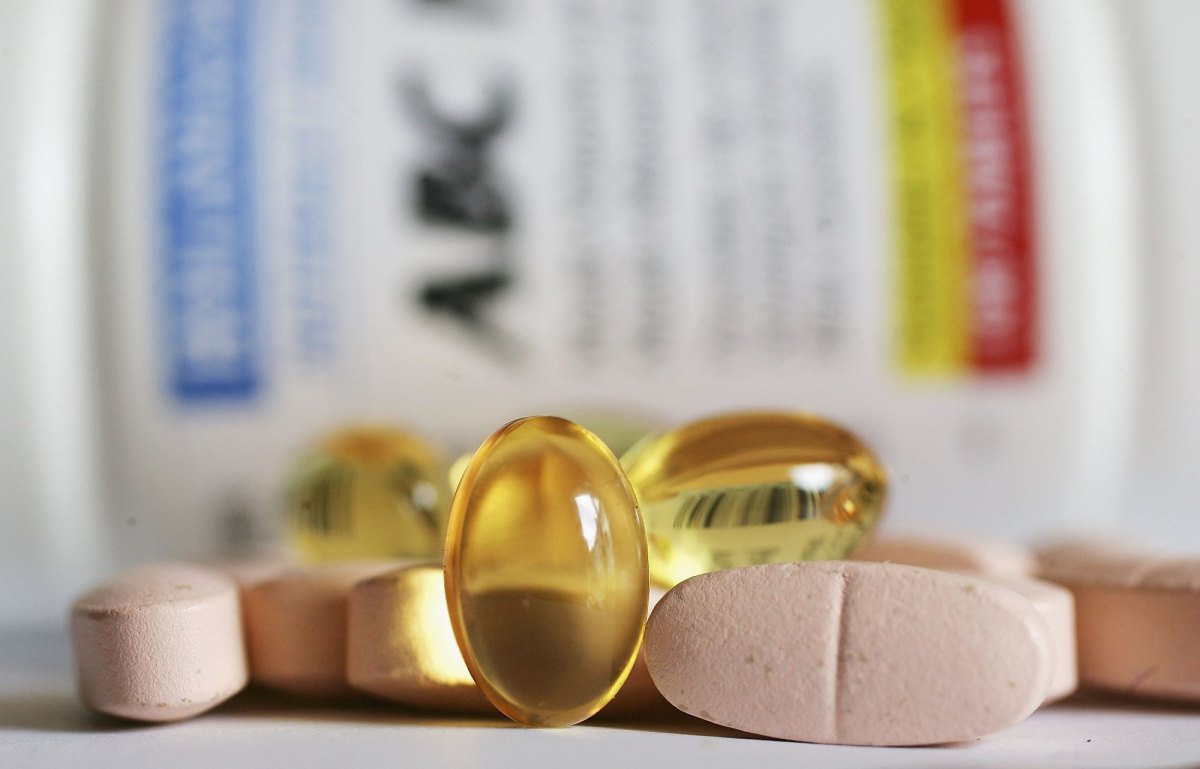


Beauty supplement shelves keep growing, with collagen powders, biotin gummies and probiotic capsules all promising healthier, more radiant-looking skin. But with so many options and so many big claims, it can be difficult to know which supplements are actually worth considering for your specific skin concerns. Here is what researchers and experts actually say about collagen, biotin and probiotics for your skin, including how each one works, what the research shows and what results you can realistically expect.
Does Collagen Really Improve Skin Hydration and Elasticity?
Some research suggests hydrolyzed collagen peptides may modestly improve skin hydration and elasticity after several months of use, especially in older adults whose natural collagen production has declined.
Lindsay Boyers, CHNC, writing for GoodRx, notes that as we get older our bodies make less collagen, which can lead to fine lines, dryness and weaker hair and nails. She adds that the effect appears stronger when collagen is paired with vitamin C, which the body also uses to make its own collagen. Boyers also cautions that evidence for hair and nail benefits is less consistent and that many studies are funded by supplement manufacturers, so results should be interpreted with that context in mind.

Can Biotin Help Skin Problems Like Dryness or Scaly Patches?
Biotin appears to help skin mainly when a person is actually deficient in the vitamin, since biotin deficiency itself can cause scaly, red and dry skin.
Emmanuella Ogbonna, a licensed pharmacist, health writer and medical researcher, told Health that biotin, also called vitamin B7, is a water-soluble vitamin naturally found in foods like eggs, fish, nuts, seeds and sweet potatoes. She noted that overall evidence supporting biotin use for the skin is limited, though studies show biotin improves skin appearance especially in cases of deficiency. Writing for Verywell Health, T’Keyah Bazin, PharmD, said sufficient biotin levels support the metabolic processes that keep skin cells healthy, and that pairing biotin with collagen may offer a more well-rounded approach.
Do Probiotics Benefit Skin Conditions Like Eczema?
Certain probiotic strains may have potential for skin conditions like eczema and atopic dermatitis, though the science is still developing and researchers say more work is needed before probiotics can be broadly recommended for specific skin concerns.
According to Medical News Today, a recent scoping review of more than 500 studies sought to map out currently available research on how oral supplements of probiotics, prebiotics and synbiotics affect skin outcomes. The review, published in Nutrition Reviews, implies a possible benefit of probiotics for some skin outcomes, highlights the focus of existing literature and discusses critical areas of future research still to come.



How Do You Choose the Right Beauty Supplement for Your Skin?
Match the supplement to the concern. Collagen is worth considering for dryness, dehydration or fine lines. Biotin may help if a deficiency is contributing to red, scaly or unusually dry skin. Select probiotic strains might also be worth exploring for people managing eczema or atopic dermatitis.
Bazin told Verywell Health that collagen helps reinforce the structural protein layer beneath the skin’s surface, while biotin supports cellular metabolism that keeps the complexion healthy, and that using them together may offer a more well-rounded approach.
Because evidence is stronger for some uses than others, and because many collagen studies are industry-funded, it is reasonable to talk with a pharmacist or clinician before starting a new regimen, particularly if you suspect a nutrient deficiency is driving your skin concerns.