“Ozempic face” has become shorthand for a specific look. Flatter cheeks. Softer definition along the jaw. A face that reads as older rather than slimmer.
It is not a medical diagnosis and it appears on no drug label. According to Dr. Sarah Daccarett, a physician who works in hormone health, the term describes two things happening at the same time, and only one of them has anything to do with the medication.
The Hollow Look Is Fat Loss, and the Face Is Not Exempt
A large share of facial volume is subcutaneous fat, the layer sitting just under the skin. It fills out the cheek, cushions the under-eye and holds the midface up from below.
When someone loses weight quickly, that layer goes the same way as every other fat store in the body. GLP-1 medications do not specifically target where fat loss occurs, and the distribution of fat loss can vary from person to person. Plastic surgeons were watching this happen after bariatric surgery and crash dieting long before semaglutide had a brand name. What the drugs changed is how many people it happens to, and how fast.
Estrogen Changes the Skin Before the Weight Does
The second part is the one Daccarett says gets left out.
Collagen-producing cells in the skin respond to estradiol. When estrogen falls, those cells make less collagen. For a woman in her forties or fifties, that decline has usually been underway for years, on its own timeline, with no connection to anything she is taking or eating.
So the support structure under the face is often thinner before the weight loss even starts. When facial fat decreases beneath skin that has gradually lost elasticity, the skin may appear looser or less supported.
This may also help explain why a similar amount of weight loss can look different at different ages, with changes in skin elasticity and facial volume influencing the result. The medication is identical in both cases.
Estrogen Also Shapes Where the Fat Sits
Daccarett takes the argument one step further, and she is careful to flag this as the more speculative part.
Estradiol appears to influence fat distribution itself, favoring the subcutaneous layer over visceral fat, the kind that collects around the organs and tracks with insulin resistance. The same hormone supports the skin covering whatever fat remains.
Each of those observations is well documented on its own. Put together, they suggest that a woman starting rapid weight loss with her hormones in reasonable shape begins from a different structural place than one starting depleted.
She Stops Where the Evidence Stops
“Research specifically examining whether hormone therapy can help prevent facial volume loss during GLP-1 treatment appears to be limited,” she says. “What I can tell you is that the mechanism is coherent, and each piece of it is well supported on its own.”
In her own practice, she sees patients on GLP-1s who are already on hormone therapy and who do not develop the hollowed look. She calls that an observation, and she is firm about the distinction. Not a finding. Not evidence. An observation.
The restraint stands out because she drops it elsewhere. On muscle and bone, she points to a Mayo Clinic analysis in which postmenopausal women taking tirzepatide alongside hormone therapy lost roughly 35 percent more total body weight over fifteen months than women on the medication alone. That analysis has its own limits, but it exists. On the face, nothing comparable has been run.

What Actually Helps
Pace is the piece most within reach. A slower rate of weight loss may give the skin more time to adapt to changes in facial and body volume, and it is the one lever a patient and a prescriber can adjust together.
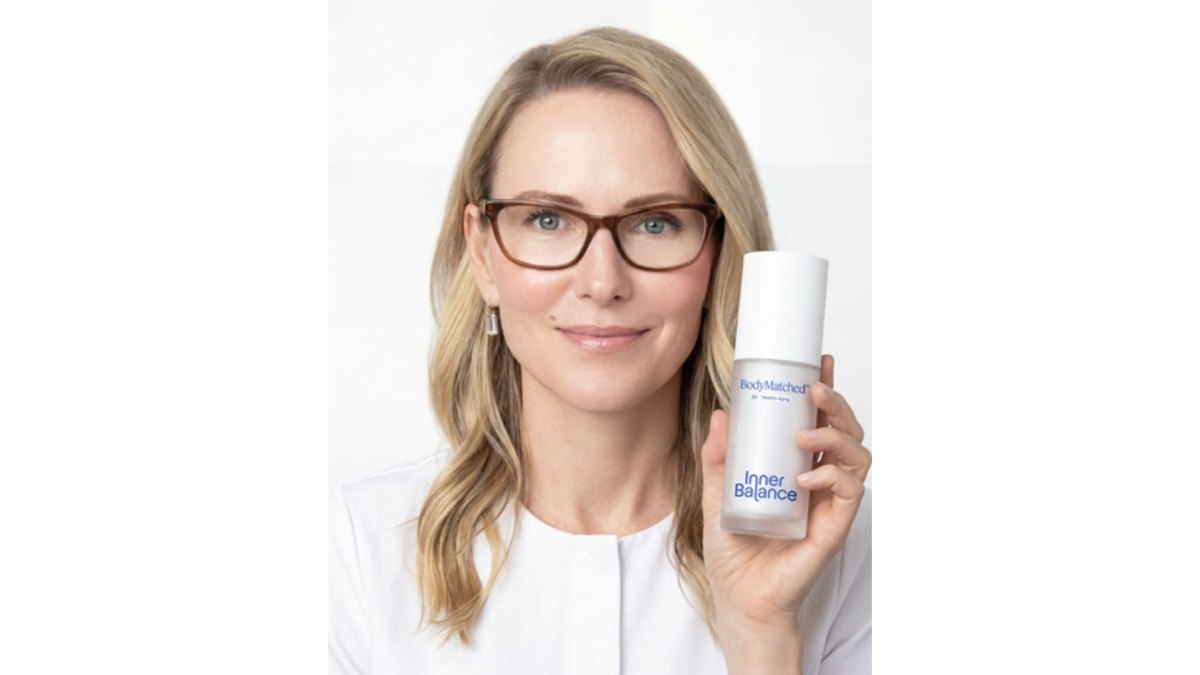
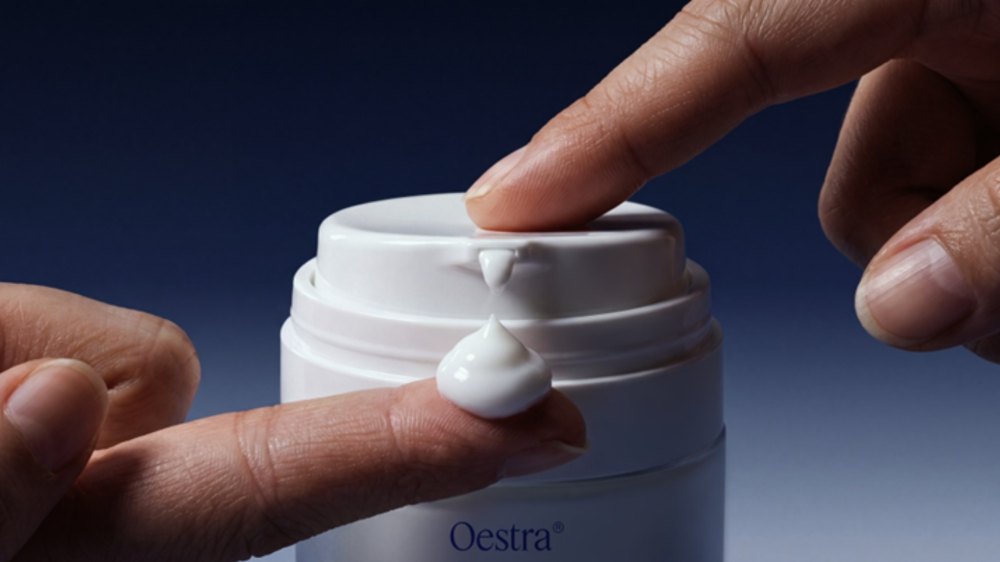
Certain topical products may be a useful part of a broader skincare routine, with realistic expectations. Retinoids and some peptides may help support collagen production with consistent use over time. They will not replace fat. Some prescription treatments may act more directly on certain hormonal pathways: BodyMatched Anti-Aging Face Cream, developed at Daccarett’s practice, pairs topical finasteride with estriol, tretinoin and niacinamide to address skin changes driven by shifting hormones.
Fillers may temporarily restore some facial volume, but they do not necessarily address the underlying changes in collagen associated with aging. That is a separate appointment and a separate decision.
Daccarett argues the hormone conversation belongs in the same room as the GLP-1 conversation, because estradiol is already acting on skin, bone and muscle before a prescription is written. Whether that leads to hormone therapy is a question for a clinician who knows the patient’s history and risk profile, and it does not have one answer. She has spoken about what a hormone panel can and cannot tell you, and why a normal result so often ends the conversation too early.
Across bone, muscle and skin her position stays consistent. Rapid weight loss, regardless of how it is achieved, can involve the loss of both fat and lean tissue; GLP-1 medications are not unique in this respect. Hormones, on her account, are not a treatment for side effects. Depending on the treatment, they may supplement or influence hormonal signals that change as estrogen levels decline.
These changes may be particularly noticeable in the face.
___
Dr. Sarah Daccarett is a physician specializing in hormone health and founder of Inner Balance, a clinician-led telehealth practice for women in perimenopause and menopause. Treatment is prescribed only after a licensed clinician reviews a full health assessment.
This article is for informational purposes only and does not substitute for professional medical advice. If you are seeking medical advice, diagnosis or treatment, please consult a medical professional or healthcare provider.