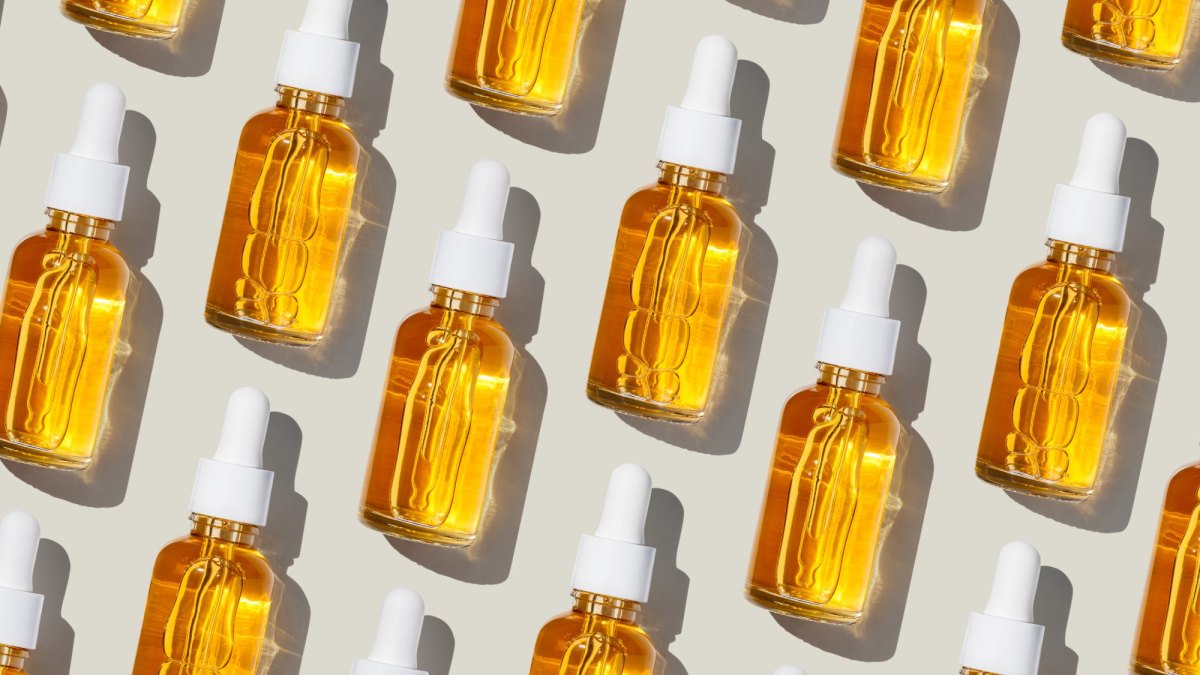

The flex isn’t the designer bag anymore. It’s finding something that looks like it for a fraction of the price. Dupes have moved from quiet workaround to public performance, and the shift is starting to reshape how brands, retailers and shoppers think about value.
What’s Happening
Dupes, meaning lower-priced alternatives that mimic the look, feel or function of premium products, are being openly celebrated rather than quietly stocked. Shoppers post side-by-side comparisons, tag the cheaper find and treat the discovery itself as the story.
Circana’s research on dupe demand found that roughly 70 percent of beauty consumers would intentionally buy a dupe even if they could afford the original. YPulse’s reporting on Gen Z shopping habits documents how younger buyers treat affordable alternatives as achievements worth sharing. A 2026 study of Gen Z consumers found that the perceived “coolness” of dupes was positively associated with product evaluations, purchase intentions and willingness to recommend them online.
The shift matters because it changes the direction of social proof. For years, status came from the ability to pay full price. Increasingly, it comes from the ability to find something that looks and feels close enough, and from the willingness to say so publicly.
Nicole Kidman’s Burgundy Bag Is Giving Quiet Luxury — Get the Designer Look for Just $30
Why It’s Happening
Three forces are converging.
Social media rewards the find. Platforms built around short-form video have turned product discovery into performance. Finding a convincing dupe and showing it off is content, and content is currency. An analysis published by NYU’s Journal of Intellectual Property & Entertainment Law notes that younger consumers proudly share affordable alternatives with friends and followers rather than hiding them.
Economic pressure recasts spending as skill. When budgets tighten, the ability to replicate a premium look on a smaller spend becomes a signal of taste and resourcefulness rather than compromise. The purchase stops reading as a sacrifice and starts reading as a decision.
Luxury and dupes now coexist. Circana points out that prestige and luxury brands continue to grow even as dupes gain ground, which suggests shoppers are layering the two rather than choosing sides. The same consumer who splurges on one item may hunt down the dupe for the next.
What Could Be Next
Three plausible near-term shifts, each with something concrete to do about it.
Brands may start acknowledging dupes more openly. Expect more premium brands to lean into side-by-side comparisons, “inspired by” collaborations or openly tiered product lines that let the same company sell both the aspirational version and the accessible one. The economics of pretending dupes don’t exist no longer work when shoppers are already in the comparison tab. The move for shoppers is simple. Before paying full price for a seasonal trend, run a 10-minute dupe check. The brand’s own cheaper line may already exist.
Retailers could make dupe discovery easier. If finding a dupe is the new achievement, retailers that make the search easier win. Watch for filters, badges or “similar for less” prompts that elevate dupe-finding from a TikTok sport into a shopping feature. A tip worth using. When a retailer surfaces a cheaper alternative on its own site, that counts as pricing information. It gives you another price point to compare before making a purchase.


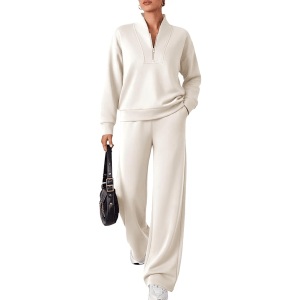
The definition of status will keep broadening. The 2026 Gen Z study ties the appeal of dupes to perceived coolness, not just savings, which means the social reward attaches to the choice itself and not the price alone. That suggests the appeal of dupes may extend beyond temporary budget pressures. A quick self-test. Notice which purchases you’d actually want to post about. If the answer is the dupe rather than the original, that’s a signal about where your real preference lives, and about which categories are worth paying full price for.
The bottom line. The flex has moved. Spending power still carries weight, but so does the ability to spend less and get close to the same thing. For shoppers, the practical takeaway is simple. Before buying anything you’d call a treat, spend 10 minutes checking whether a credible alternative exists. The potential savings are real, and finding a convincing alternative can come with its own bragging rights.
THREE SIGNALS TO WATCH
- The next Circana release tracking whether beauty dupe purchase intent crosses 75 percent.
- Launches from mass retailers that explicitly use “dupe” or “inspired by” language in product listings heading into the 2026 holiday season.
- Any major luxury brand filing lawsuits over dupes or publicly stating that it won’t pursue legal action.”