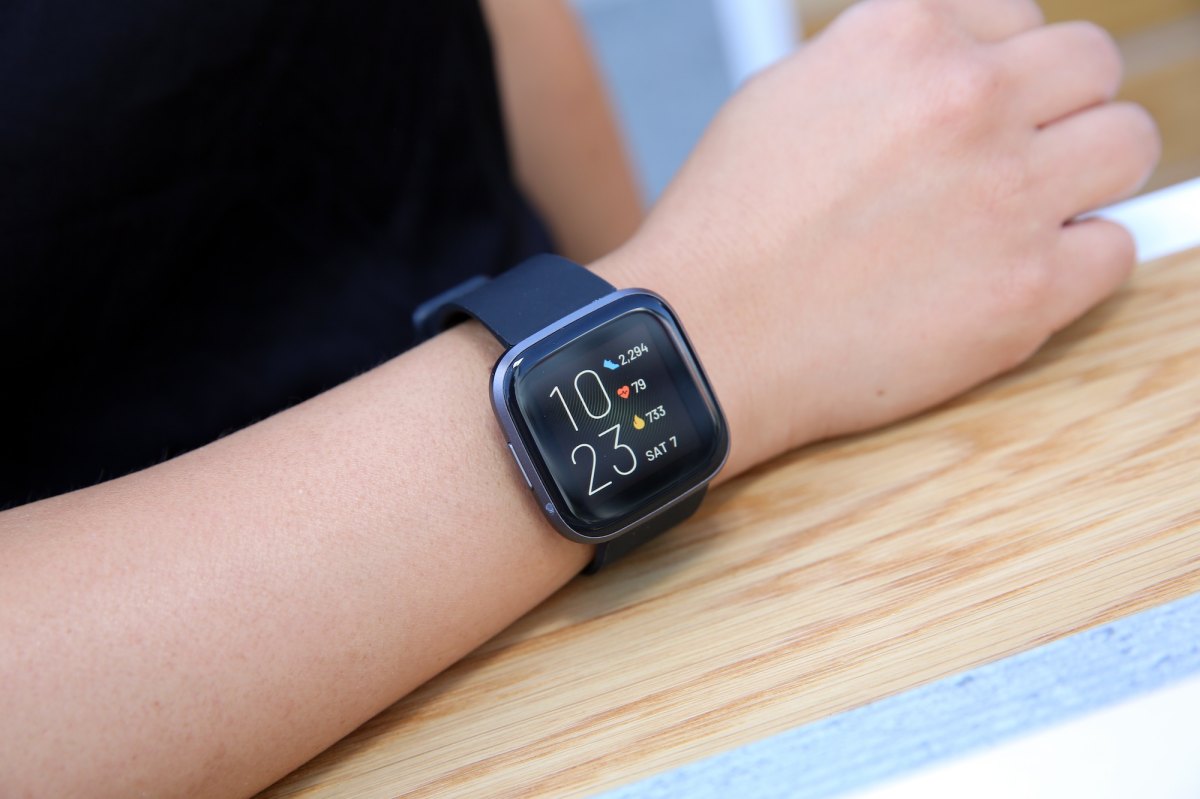


Every step, every heartbeat, every hour of sleep now comes with a score. For a growing number of Americans, checking those numbers has stopped feeling like motivation and started feeling like dread. Over-tracking, the habit of monitoring wellness data so closely that it undermines your health, has become a real concern among sleep doctors, cardiologists and mental health researchers watching a new form of wearable-driven obsession take hold.
Nearly one in three Americans now use a wearable device to track their fitness, according to NPR. And the list of things people track keeps expanding.

How Over-Tracking Became a Daily Wellness Habit
Today’s trackable metrics include VO2 max, macros, sleep score and step count. Many people also monitor their supplement routines, creatine intake, hormone levels and heart rate variability. Newer wearables and at-home tests now promise readings on glutathione, microplastic exposure and paraben levels too.
Health information is available 24/7, and the sheer volume of tips, dashboards and alerts can overwhelm the very people it was designed to help. Ironically, researchers are finding that too much health data can itself be detrimental to health.
Why Over-Tracking Can Backfire on Your Health
The Pacific Neuroscience Institute puts it bluntly. “While consumer wearables can boost motivation and identify physical patterns, over-tracking can be actively bad for you. Experts warn it can trigger health anxiety, encourage obsessive behaviors, and erode your connection to your body’s natural cues.”
A 2021 paper in the Cardiovascular Digital Health Journal reached a similar conclusion, noting that “although unlimited access to digital health information can motivate some individuals to engage in healthy behaviors, these data may inadvertently contribute to pathologic symptom monitoring and impaired function in others.”
The “others” are often people who begin checking metrics as a way to soothe worry, only to find the checking itself has become the source of anxiety. A 2024 study on smartwatches and health anxiety reported that “some participants mentioned an increase in perceived stress” after just one week of continuous monitoring. Researchers cautioned that “the impact of smartwatches on perceived stress and health anxiety is complex and individual-specific.”
What Orthosomnia Says About the Sleep Tracking Obsession
Not everyone reacts to a daily wellness score with motivation. For some, the number triggers dread. Sleep researchers coined a term for this in a 2017 paper in the Journal of Clinical Sleep Medicine. They called it orthosomnia, a preoccupation with achieving perfect sleep data that paradoxically makes sleep worse. It is not a formal clinical diagnosis, but doctors say the pattern is easy to recognize.
Dr. Rebecca Robbins, an assistant professor in the Division of Sleep Medicine at Harvard Medical School and an associate sleep scientist at Brigham and Women’s Hospital, told Life Hacker that “This phenomenon typically affects individuals already prone to anxiety about judgment, where receiving daily feedback can trigger a spiral of rumination and worry that ultimately limits their ability to get good sleep the following night.”


The cycle feeds itself. A restless night produces a poor score, the score fuels anxiety, and the anxiety disrupts the next night’s rest. Robbins recommends breaking the loop by simply putting the device down. “If tracking causes worry, take a break from the device, or avoid looking at the data,” she said. Even skipping the morning app check for a week or two can be enough to interrupt the spiral.

Signs It May Be Time to Step Away
Compulsive checking is often the first clue that tracking has tipped into an unhealthy preoccupation. Watch for frustration when the numbers fall short, a tendency to ignore how your body actually feels in favor of what the app reports, distress when data is unavailable and mood, exercise or social plans that hinge on a daily score.
A few questions can clarify whether it is time to unplug. Is the device actually making you worry more about your physical health? Are you checking it more often than you would like? Is the habit getting in the way of work, relationships or activities you enjoy? Has looking at the data become automatic? If the answer to any of these is yes, a short break from the wearable can help restore balance and reconnect you to your body’s own cues.