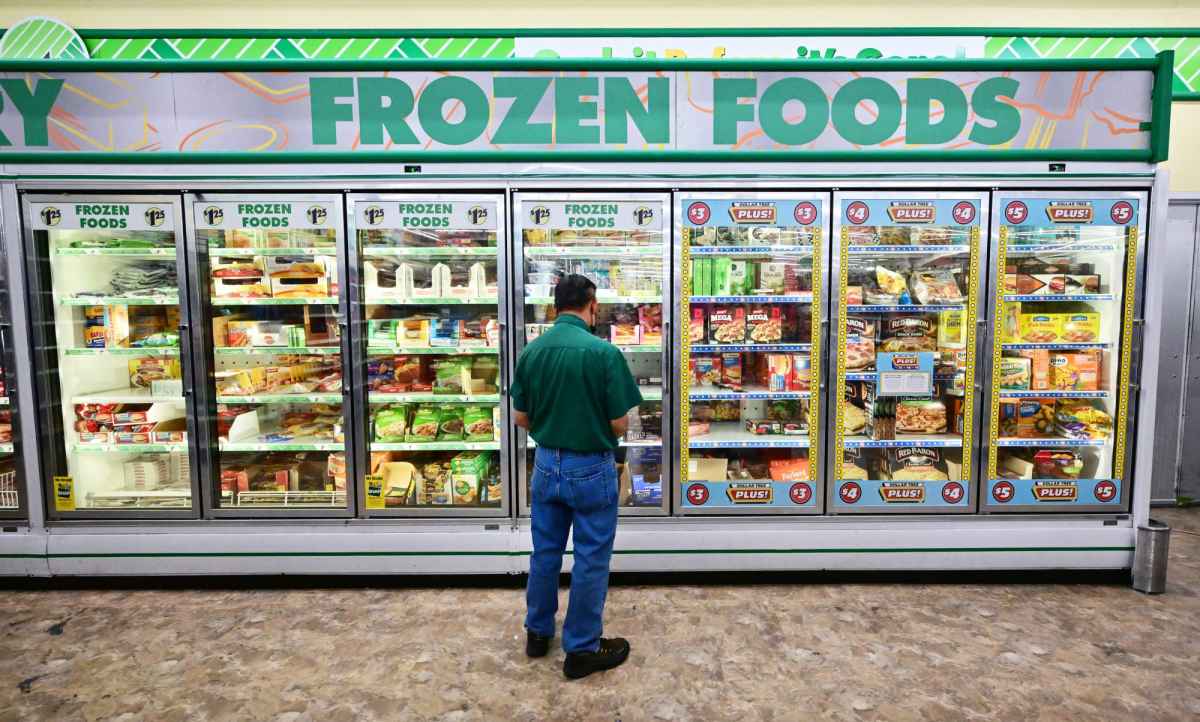


Grocery bills keep climbing, and the shoppers pushing carts through the dollar store aisles are not who you might expect. Households earning more than $100,000 a year are increasingly making dollar stores part of their regular routine, and the shift is reshaping who these chains serve and how they plan for growth.
Dollar Tree CEO Michael Creedon told investors that roughly 60 percent of the retailer’s new shoppers now come from high-income households, up from 50 percent earlier this year in the first quarter, according to reporting by Yahoo Finance. That jump matters for anyone tracking how inflation, value-hunting and everyday budgeting habits are changing across income brackets.
Why Higher-Income Shoppers Are Turning to the Dollar Store
Rising prices for groceries and household goods are pushing consumers to rethink where they spend, even when their paychecks are strong. Wealthier households are becoming more conscious of everyday costs and looking for routine items, from cleaning products to beauty basics, at lower prices.
Jessie Handbury, associate professor at The Wharton School and a research associate at the National Bureau of Economic Research, told Grocery Dive’s sister site Retail Dive that this behavior is not brand new. “The interesting thing is that in the data, we have always seen that … upper middle income people tend to be those who are more likely to take advantage of coupons, sales, just as a more general point. Higher-income people taking advantage of lower prices is not a new thing,” she said.
What has changed is the scale. As grocery and household prices stay elevated, more affluent shoppers are folding dollar stores into their weekly errands rather than treating them as an occasional stop.
What High-Income Households Are Actually Buying
The categories driving these visits are practical, not indulgent. Shoppers are stocking up on items they use constantly and would rather not overpay for at a traditional grocery store or big-box chain.
Common purchases include
- Cleaning supplies
- Beauty products
- Paper products
- Household storage
- Party supplies
- Seasonal decorations
- School and office supplies
- Snacks and pantry staples
- Personal-care basics
- Small home goods
The pattern reflects a broader effort to trim routine spending on things that do not require a premium price tag, freeing up money for larger purchases or savings.

What the Shift Means for Dollar Tree and Its Customers
For Dollar Tree, the changing customer mix is a signal that its value pitch is landing far outside its traditional base. Creedon told investors, according to Yahoo Finance, “This demonstrates that Dollar Tree isn’t just for tough times or for those with limited resources.”
He also framed the moment as a two-sided story. “Higher-income households are trading into Dollar Tree, [and] lower-income households are depending on us more than ever,” Creedon said.


That dual reality matters for shoppers and communities alike. Lower-income households continue to rely on dollar stores for essentials, while wealthier households are helping fuel growth that keeps stores open and expanding. Reporting from Brooke DiPalma at Yahoo Finance underscored the momentum, noting that “roughly 60 percent of its new shoppers are high-income households, which the company defined as earning over $100,000. That’s up from 50 percent of new shoppers” during the previous quarter, per Creedon.

Why This Matters for Everyday Consumers
For readers weighing where to shop next, the takeaway is straightforward. Value shopping is no longer a signal of financial strain. It is a habit that cuts across income levels, and it is reshaping how major retailers describe their customers.
If wealthier households are folding dollar store runs into their routines to save on cleaning supplies, snacks and paper goods, the stigma that once surrounded the aisles is fading. The bigger question is how long these habits stick if inflation cools, and whether dollar stores can hold on to shoppers who came for the prices but stayed for the convenience.