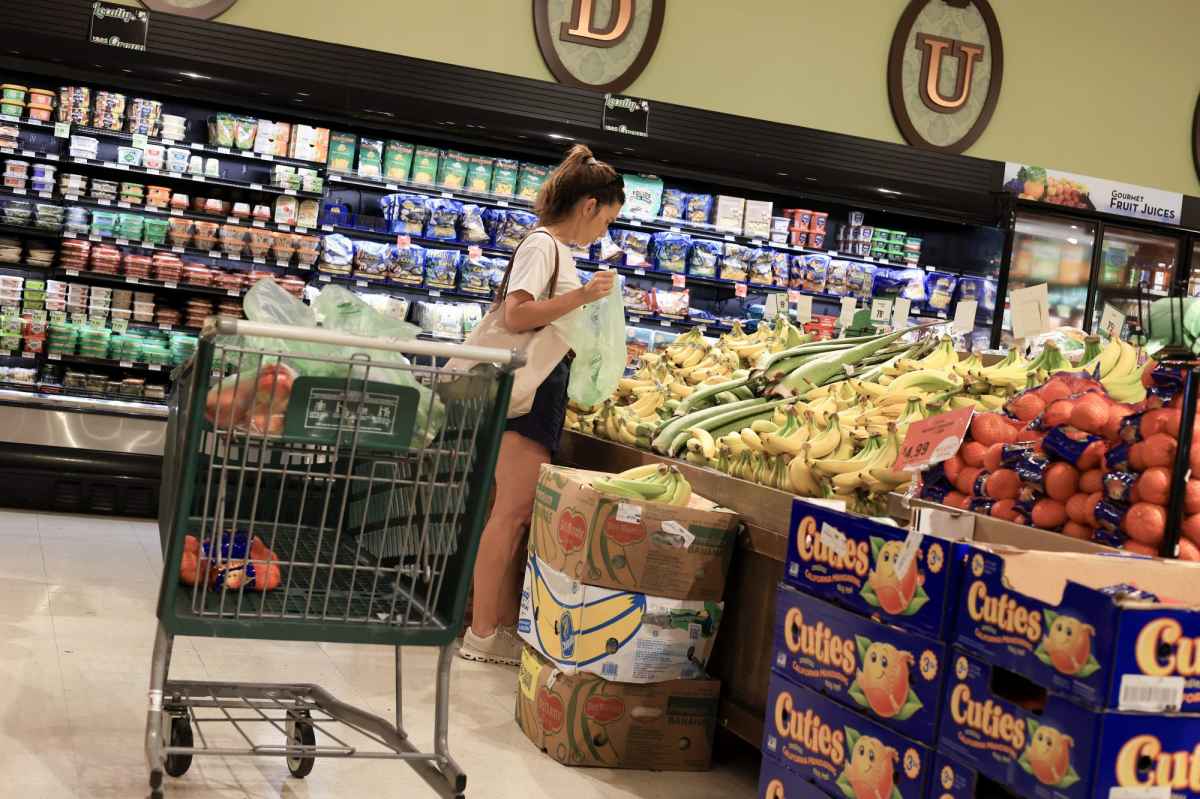

Walk into any supermarket in 2026 and the receipts tell a story before the bagger finishes packing. Families are reading labels longer, buying bigger pack sizes and trading dollars for time-saving convenience — and the grocery store trends shaping checkout lanes this year reveal a shopper who is more strategic, more skeptical and more health-focused than ever.
The pressure on household budgets has not eased. At the same time, shoppers are demanding more from what lands in their carts: cleaner ingredients, higher protein and meals that fit into compressed weekday schedules. Here is what’s driving the aisles right now.
Why Prices are Still The Biggest Factor at Checkout
Cost remains the single loudest signal shoppers are sending retailers in 2026. Even households that can absorb higher prices are hunting for deals, while lower-income families are pulling back sharply — a split that is reshaping what stocks the shelves and how stores promote them. The “value” conversation has expanded beyond sticker price to include quality and convenience, but the deal itself is back in the driver’s seat.
According to Jenny McTaggart and Samantha Schober with ProgressiveGrocer.com: “Last year’s CES suggested that consumers were begrudgingly getting used to the idea of higher prices and therefore broadening their concept of value to include factors like quality and convenience. While this trend still holds true in 2026, it appears that most shoppers are on a quest for better deals wherever they can find them. As Walmart observed when reporting its fourth-quarter earnings this past February, plenty of middle- and high-income shoppers are spending money for good deals, but lower-income households are really tightening their purse strings amid serious financial strain, which is taking a hit on retail sales in general.”
How Healthier Ingredients Are Reshaping The Cart
Label reading has become a habit, not an afterthought. Shoppers are scanning for fewer additives, fewer preservatives and ingredients they recognize without a chemistry degree. That shift is changing how brands position themselves, with transparency emerging as one of the most powerful marketing tools on the shelf.
- Families reading labels more carefully
- Interest in fewer additives and preservatives
- Demand for foods with recognizable ingredients
According to Acosta Group, Mark Rahiya, Group President of Omnichannel Sales and Services, said: “Label reading is becoming a routine part of shopper decision-making. Consumers are actively seeking ingredients that support specific health goals. That creates an opportunity for natural and organic brands to connect through transparency and clearly communicated benefits.”
Why Bulk Buying Is Making a Comeback
The warehouse-club mentality has crossed over into traditional supermarkets. Shoppers are stocking up on pantry staples, paper goods and frozen basics in larger quantities, betting that the per-unit savings will offset the bigger upfront spend. But the strategy comes with a catch: waste can erase the savings entirely if families overbuy perishables.
Jay Wilson with The Daily Meal writes: “Everyone’s bulking, and not just in the gym. Bulk-buying groceries has never been more trendy. More and more people are realizing that the savings that you can make when you stock up on everyday items instead of buying them in smaller quantities are almost extraordinary, and doing so might shave a significant amount off your shopping bill. The problem, though, is that it can be all too easy to buy the wrong things and end up throwing them away. This is a common problem: According to analysis from LendingTree, almost 40% of people who bulk-buy groceries waste them, reducing any potential financial benefit.”
How Convenience Foods Are Winning Busy Households
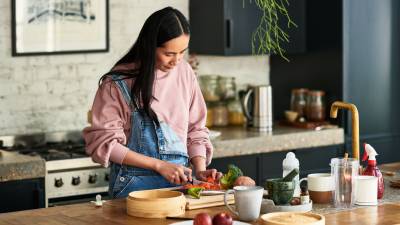
Time is the new currency. Pre-cut vegetables, meal kits and ready-to-eat options are commanding shelf space — and dollars — from families who would rather pay a premium than spend another 30 minutes prepping dinner. The shift is generational too, with younger shoppers leaning on grocery prepared foods at moments that used to belong to restaurants or home kitchens.



- Growth of pre-cut vegetables and meal kits
- Ready-to-cook and ready-to-eat options
- Busy households trading time for convenience
McTaggart and Schober also write: “The dinner daypart has long been the anchor of supermarket prepared foods, claimed by 52 percent of prepared food buyers as their most recent purchase occasion. While it still holds that title, a clear shift is underway: Gen Z shoppers are turning to grocery prepared foods at lunchtime at a rate of 50 percent, and Millennials aren’t far behind, at 37 percent, compared with just 23 percent of Boomers.”
Why Protein Is a Priority in Every Aisle
Protein is no longer confined to the meat counter. It is in the snack aisle, the cereal aisle, the cooler case and the chip rack. Shoppers want it at breakfast, between meals and after workouts — and brands are racing to add it to products that never carried a protein claim before. Celebrity-backed lines are part of the surge, signaling just how mainstream the demand has become.
Khloé Kardashian’s Khloud line is one example of the celebrity-driven expansion. According to the Khloud website: “Khloud Protein Chips are our take on a classic tortilla chip, made better! Each serving delivers 7G of protein, the same protein power as our popcorn, in a craveably crunchy, savory snack.”