

Netflix is bringing the drama in July.
The streamer added a steady stream of critically acclaimed movies throughout the month, and now that it’s almost over, Watch With Us thinks it’s time for you to watch some of them.
Using Rotten Tomatoes’ reliable Tomatometer as a barometer of quality, we ranked the best new Netflix dramas to watch in July.
With stars like Will Smith, Hilary Swank and Paul Mescal, these dramas are worth streaming right now or at any time of year.
3. ‘Ali’ (2001)
Rotten Tomatoes score: 69
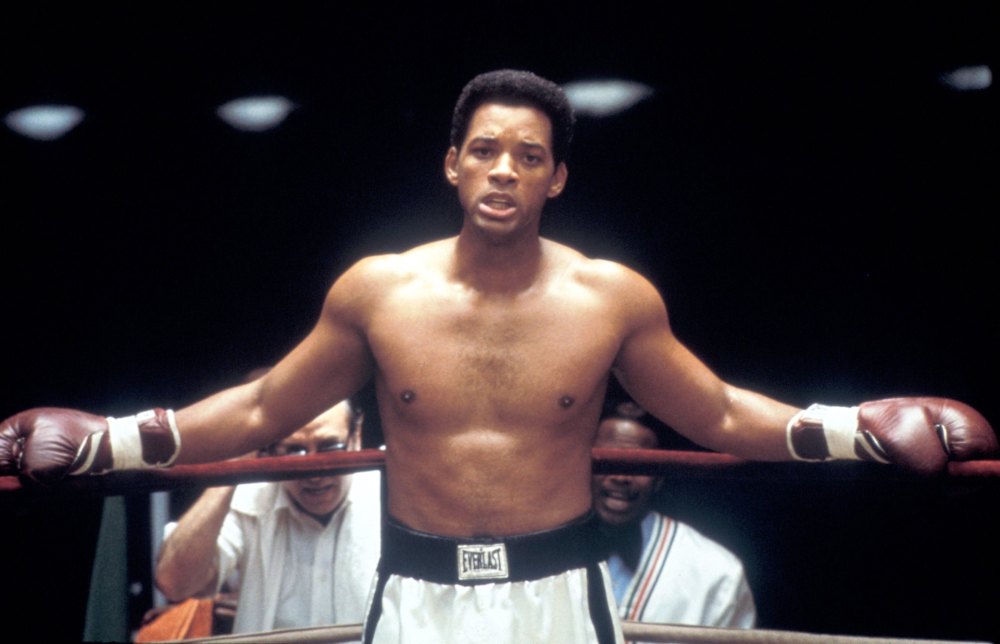
The life of Cassius Clay, later and best known as Muhammad Ali, was so big, even the movies couldn’t do him full justice. But one film comes close – 2001’s Ali, a flawed yet compelling biopic that showed just how complex the boxing icon’s life was, both in and out of the ring.
Will Smith stars as Ali, who, when the film begins, is already a rising star in the sports world. His defeat of Sonny Liston for the heavyweight championship seals his fame, but Cassius doesn’t just want to be a sports hero – he wants to be involved in changing the world, too. That’s why he meets with civil rights leaders like Malcolm X, travels to the Nation of Islam and refuses to fight a Vietnam War he sees as a pointless slaughtering of innocents. But his rebelliousness has a price – his personal life suffers, his marriages crumble and even his fighting career is jeopardized by his embrace of controversial political ideologies.

Ali’s big drawback is that it often feels like a Wikipedia movie, jumping from one notable event in the boxer’s life without actually letting the audience know what the man is thinking or feeling. Still, Ali is highly watchable, mostly due to Michael Mann’s stylish direction and Smith’s convincing performance.
2. ‘Ordinary Angels’ (2024)

Rotten Tomatoes score: 84 percent
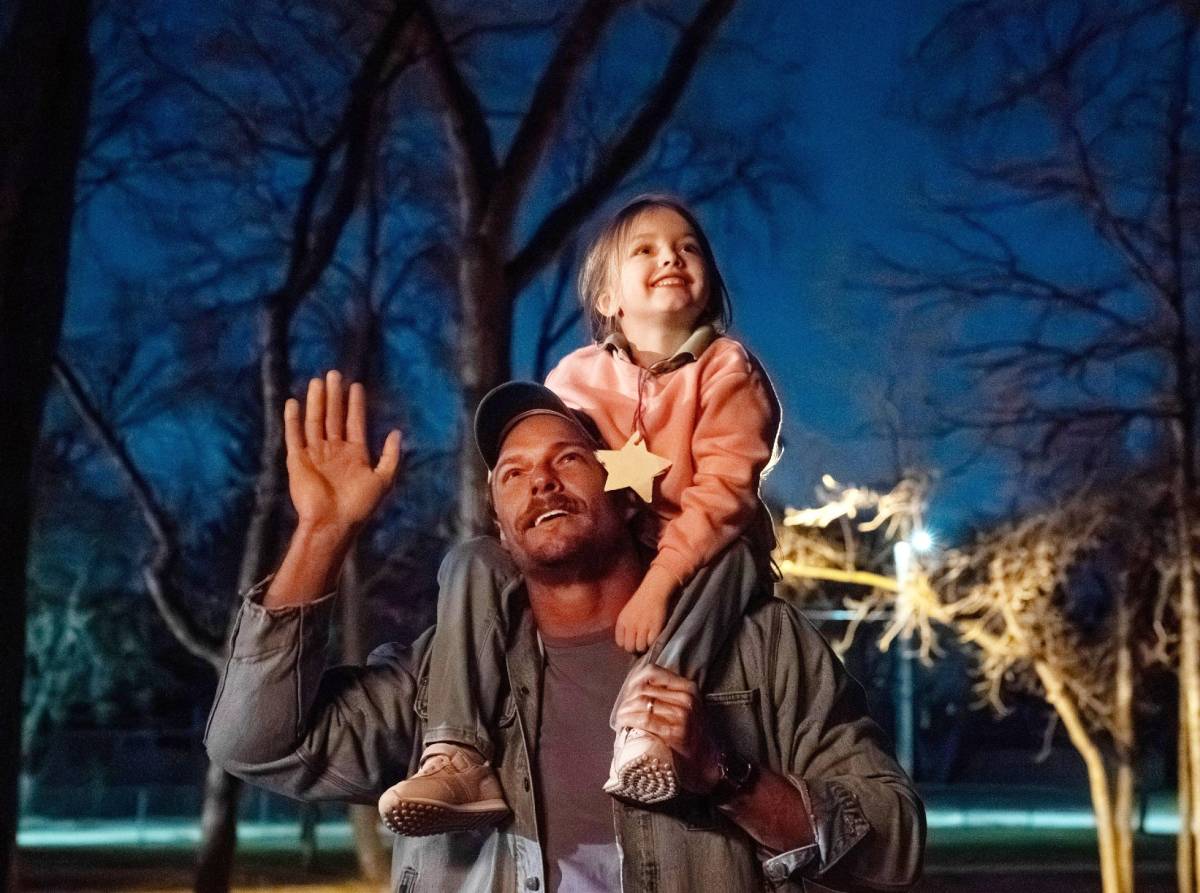
Professional hairdresser Sharon Stevens’ (Hilary Swank) life is adrift. She has a drinking problem she refuses to acknowledge and a life without any defined purpose. That’s why she’s so moved when she hears about five-year-old Michelle Schmidt’s (Emily Mitchell) urgent medical situation – she needs a liver transplant, and the clock is ticking. With widowed dad Ed (Alan Ritchson) overwhelmed with worry and Michelle’s mounting medical bills, Sharon steps in to help the family any way she can. But will Sharon’s presence be enough to avoid the inevitable fate that awaits Michelle?
Ordinary Angels has an almost unbelievable story, so it comes as a bit of a surprise that it’s based on real-life events. (Another surprise – musician Dave Matthews pitched the story to the film’s producers!) If this were a Hallmark movie, Sharon and Ed would become romantically involved, but instead, they are reluctant friends brought together by their mutual concern for Michelle. Even though the story is melodramatic, the performances aren’t, and Swank and Ritchson’s committed performances give this faith-based film the spirit it needs to make it work.



1. ‘Hamnet’ (2025)
Rotten Tomatoes score: 87 percent
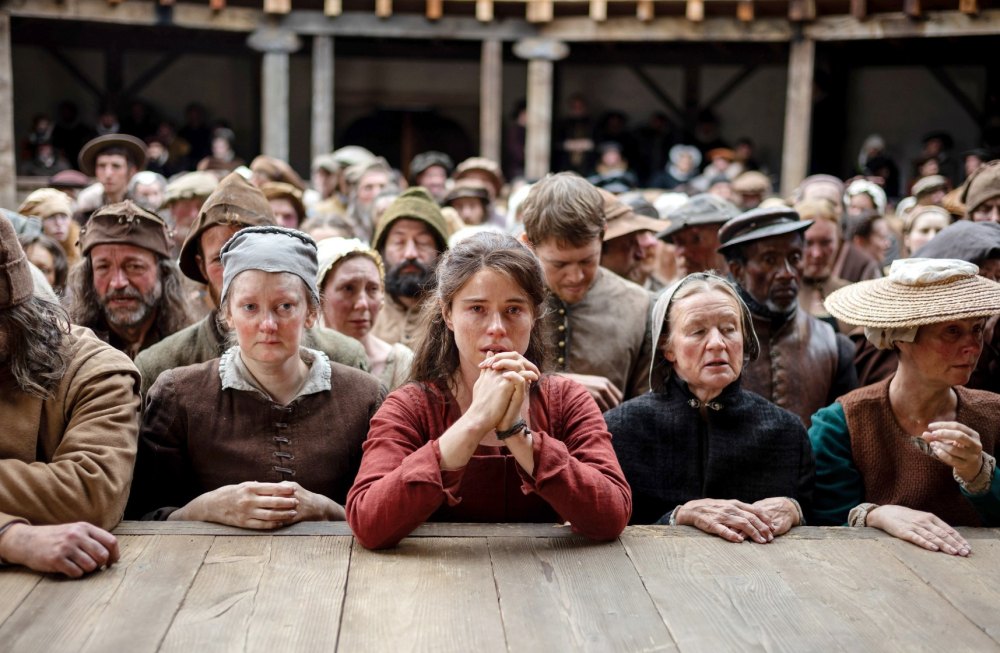
How does a parent get over the death of a child? That’s the question Chloé Zhao’s acclaimed 2025 drama Hamnet is concerned with as it depicts the different ways a mother and father process their grief over the unexpected death of their young son, Hamnet (Jacobi Jupe). For Will (Paul Mescal), he turns to his art, losing himself in writing his play and using his sadness to improve his writing. His wife, Agnes (Jessie Buckley), doesn’t have the luxury of a career to get lost in – she has to raise her other children while still facing a household that feels empty without her son. Their different ways of mourning drive a wedge in their marriage, which suffers from the weight of their grief and their inability to move on from their tragedy.

Nominated for eight Oscars in 2026, Hamnet is a high-quality domestic drama that also happens to be a biopic about history’s greatest author. Mescal’s Will is William Shakespeare, and the play he’s writing after his son’s death is Hamlet. But Zhao and cowriter Maggie O’Farrell (who also wrote the book the film is based on) don’t make him or Agnes untouchable historical figures but instead relatable people who share the same feelings “regular” people possess. The climactic scene, which brings together Will’s artistic public life and Agnes’ private domestic melancholy, is a heartbreaker and is one of the best depictions of saying goodbye to a loved one.