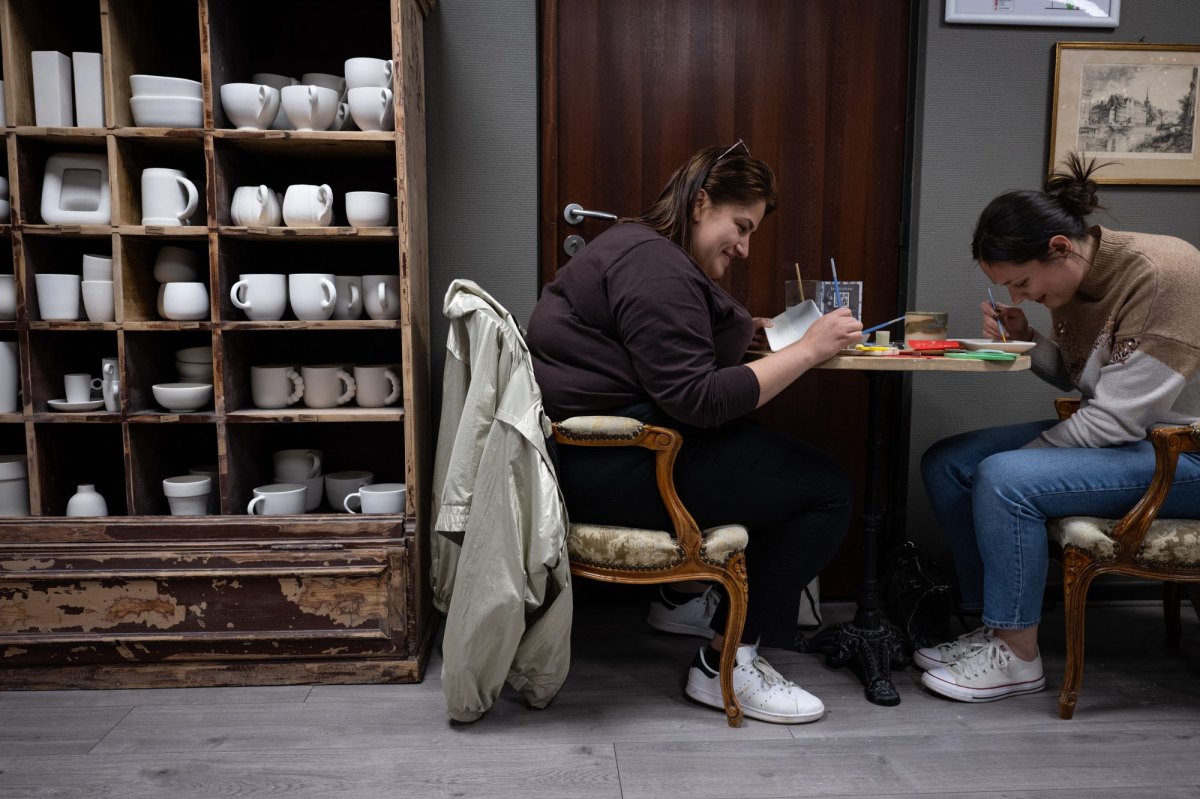

If you have hit the stretch of adulthood where making a new friend feels harder than it used to, you are not alone, and the culture is starting to respond. Craft hobbies like knitting, crochet and embroidery are moving out of the living room and into craft care pop-ups, workshops and café-style gatherings, and the shift is quietly reshaping what a night out can look like for Gen Z and younger millennials. What began as grandmacore, a nostalgic online aesthetic, is becoming an in-person social experience. At the same time, analog hobbies are also gaining a place in the growing conversation around “third places.”
What’s Happening
Analog hobbies are increasingly being organized as shared, in-person experiences rather than solo activities at home. Workshops, pop-up craft nights and project-centered gatherings are giving Gen Z and younger millennials a structured way to make something while socializing offline.
Financial Express has documented the rise of grandmacore experiences built around knitting, crochet, embroidery and ceramics. In turn, the younger consumers finding workshops through social media and showing up in person. Michaels’ 2026 Creativity Trend Report names “project-centered gatherings” as a defining behavior for 2026. The retailer says it is expanding in-store events where customers can experience creative trends, learn new skills and connect with local creative communities.
The through-line is simple. The craft itself is becoming the reason to gather.
See How a Grabbing Latte Inside Coach and Uniqlo Stores Powers Gen Z Experiential Retail Growth
Why It’s Happening
Several forces are stacking on top of each other. First, grandmacore normalized analog hobbies for a generation that grew up online. Knitting and embroidery stopped reading as old-fashioned and started reading as intentional. Financial Express traces this shift specifically to younger consumers discovering slower, hands-on hobbies through digital feeds and then seeking out the physical version.
Second, there is a structural pull away from screens. Michaels’ 2026 report frames project-centered gatherings as a way to move from passive scrolling toward shared making, arguing that shared making can lower social pressure and build deeper connection. If you have ever felt the flat exhaustion of trying to catch up with an old friend across a loud restaurant table, that framing lands.
Third, the format is flexible. Workshops and ticketed events can bring analog hobbies into existing social spaces. Financial Express documents sessions held in cafés and resto-bars. Organizers also use social media and ticketing platforms to reach attendees.
“Project-centered gatherings are replacing passive scrolling, as shared making lowers social pressure and builds deeper connection.” — Michaels’ 2026 Creativity Trend Report
What Could Be Next
Expect this to keep building through 2026, not level off. Several pieces of the trend are unusually well-aligned. Grandmacore is already established, Michaels is leaning into events and pop-ups and workshops offer a flexible format. Here is where it is most likely to go, and what it could mean if you have been quietly looking for an easier way to meet people.
1. Craft cafés will become a recognizable venue category, not just an occasional pop-up. As demand proves out, expect standalone spaces that blend coffee-shop hours with drop-in project stations, plus hybrid bars and restaurants that add a weekly craft night to their calendar. If you are a regular at a local coffee shop or independent bar, watch for the first “craft night” or “stitch night” to appear on their events page, and consider going to the first one.
2. Retailers will compete for the workshop layer, not just the supply layer. Michaels has already signaled it wants to be where customers gather, not only where they buy yarn or paint. Expect craft stores, yarn shops and independent makers to escalate their event programming. Additionally, ticketed classes could expand beyond beginner kits into multi-week series. If you have been meaning to learn to knit, crochet or embroider, this is a good window to lock in a workshop. Series-based classes can also be a low-pressure way to see the same faces week after week, which is often the missing ingredient in adult friendship.



3. Social discovery will keep driving offline turnout, and the funnel is going to tighten. Financial Express describes social media as the discovery point for these workshops. As a result, that pattern could intensify as creators build audiences around in-person analog experiences. Popular events will sell out from a single post. A useful move is to follow two or three local makers or venues now, before the algorithm catches up to what your city is doing. Turn on notifications for the ones that host events. That is the difference between hearing about a workshop and getting a ticket to one.
The bigger takeaway is that grandmacore is no longer just an aesthetic to scroll past. It is becoming a place to go. The craft café is quietly opening up a third option if your social calendar feels stuck between staying in and going out for drinks. The earliest adopters in each city are going to shape what the format looks like for everyone else.
THREE SIGNALS TO WATCH
- New standalone craft café openings announced in mid-size U.S. cities through the rest of 2026.
- Michaels’ rollout pace on the expanded in-store events program outlined in its 2026 Creativity Trend Report.
- Ticketed craft workshops selling out within 24 hours of being posted on Instagram or TikTok, the clearest sign the discovery-to-attendance funnel has tightened.