

Move-in day is here, and for many students the biggest source of stress is not the class schedule but the person sleeping 4 feet away. Here is how to make it work with your new roommates from day one.
How Should College Roommates Introduce Themselves Before Move-In Day?
Reach out early through text or social media and cover the basics like sleep schedule, guest habits and noise tolerance before you unpack a single box. Introducing yourself in the weeks before move-in sets the tone for the whole year.
“Get a feel for how they live and work on a day-to-day basis to make sure that you are compatible,” Crystal Cusimano-Figueroa, assistant dean of students at the University of Rochester in New York, told U.S. News & World Report. She added that if compatibility is off, “you can always work out a compromise,” and in more serious cases resident advisers can help students through a room change process.
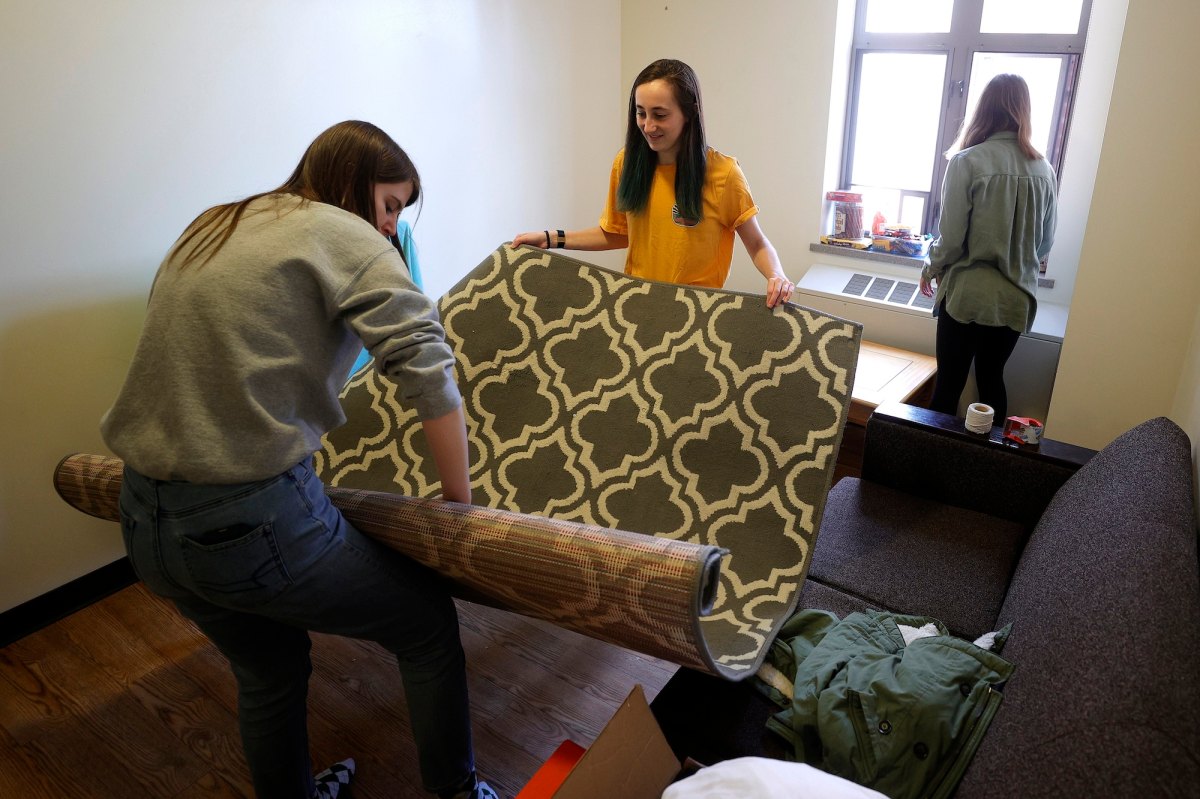
Coordinate who is bringing the mini fridge, TV or rug so you do not end up with duplicates, and review any roommate matching questionnaire results your school sent.
What Ground Rules Should New Roommates Set During the First Week?
Have the “big talk” in the first few days, covering sleep schedules, study habits, guest policy and cleanliness expectations before any of it becomes a fight. Locking in rules early is what separates a workable dorm room situation from a resentful one.
Heather Mayone, LCAT, a licensed clinical art therapist and director of NYC’s Tribeca Therapy, told SELF, “You want to set a ‘we’re all in this together’ tone, as in, ‘we’re gonna be sharing this space and we’re bound to have some different preferences, so let’s start a dialogue early.’”
Beyond the vibe, get specific. Agree on a cleaning split, spell out whether food, clothes and chargers are fair game to borrow, decide how you will handle overnight guests and set a noise cutoff so late night phone calls happen in the hallway out of earshot.

How Do You Divide a Dorm Room Fairly With a Total Stranger?
Split closet, drawer and desk space evenly on day one, and use bins, curtains or a tension rod divider to carve out visual privacy. Doing it before either of you unpacks avoids a passive-aggressive land grab later in the semester.
Label anything shared in the mini fridge or on a communal shelf so no one accidentally eats the other person’s leftovers. Small logistics like this prevent the kind of low-grade friction that snowballs into a bigger fight by midterms.
Roommate conflict is common enough that nearly 47.9 percent of first-year college students said they “frequently” or “occasionally” had difficulty getting along with their roommates, according to the Your First College Year survey. Front-loading the boring stuff is how you avoid becoming part of that statistic.
How Should College Roommates Handle Conflict Without Escalating?
Address small issues immediately and use “I” statements instead of accusatory language, because letting resentment build is what turns a dish in the sink into a semester-long cold war. Direct, low-drama conversation beats blowups later.
If a conversation stalls, your RA is a resource for mediating bigger conflicts. Having a backup study spot like the library, a lounge or a friend’s room also gives you somewhere to cool off when the room itself feels too small.
Check in periodically rather than waiting for something to break. Ask how their semester is going and how they feel about the rules you set together. Remember your roommate is also adjusting to a new lifestyle and may be behind on laundry or dishes because of homesickness or a tough class, not carelessness.




When Are Dorm Roommate Problems a Red Flag vs. Normal Adjustment?
Awkward silences, different schedules and minor habit annoyances are all normal. Things enter red flag territory with repeated disrespect of boundaries, safety concerns or a flat refusal to communicate at all.
If your roommate will not compromise on the basics and it is affecting your ability to sleep, study or eat comfortably in your own room, it is time to loop in your RA. Resident advisers can mediate the situation or help you get reassigned to a new room or roommate entirely.
Roommate awkwardness in the first few weeks is not a sign to panic. It is the default experience for most students, and the majority of situations improve once expectations get named out loud.