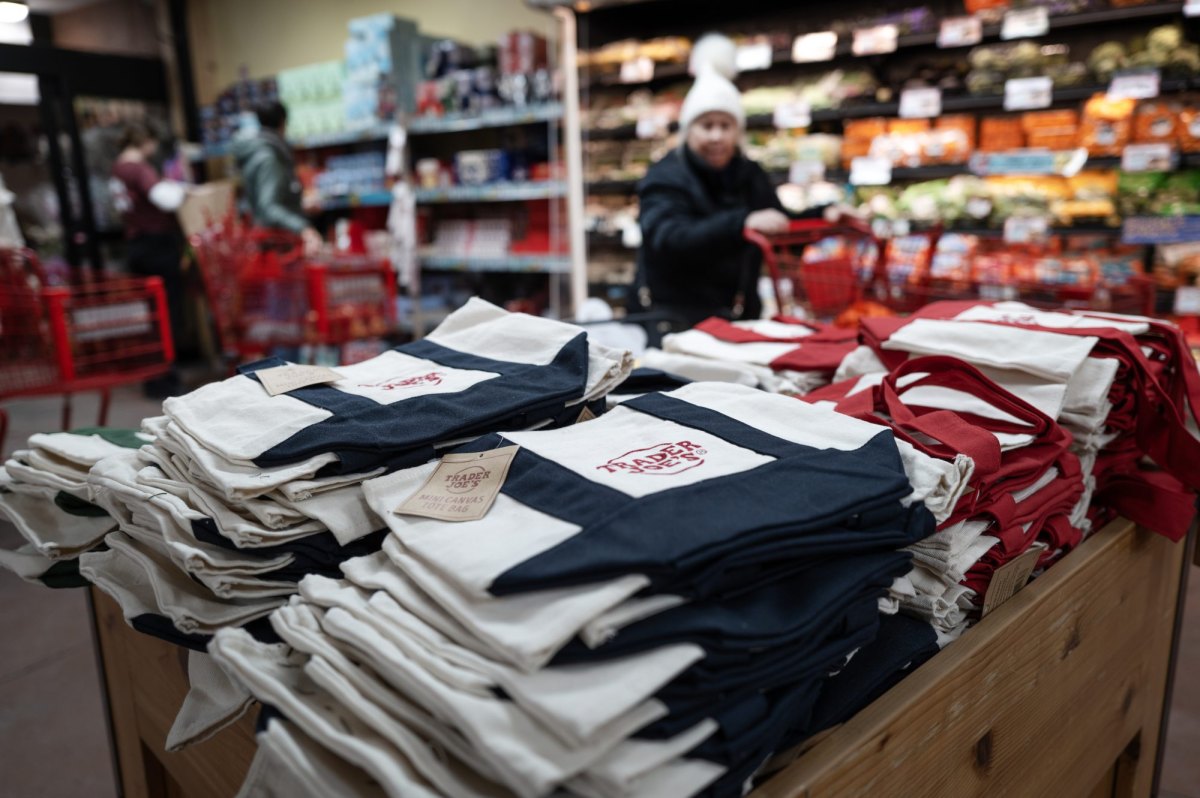

A $3 Trader Joe’s tote bag listed for hundreds on resale sites. A bear-shaped coffee cup sold out within hours. Tiny hardware-store buckets attracting attention from collectors. For small retailers and marketing teams, these viral moments aren’t just curiosities. They’re examples of how scarcity, social media and consumer excitement can turn everyday products into must-have items.
The playbook mixes limited availability, social media buzz and a willingness to let the product release itself become the event.
How Did Trader Joe’s Tote Bags Become Viral Collectibles?
Trader Joe’s introduced its $2.99 mini canvas totes in early 2024, and the bags quickly attracted attention on social media. TIME’s coverage of the original tote craze documented how TikTok videos helped fuel demand as the bags sold out.
Starbucks’ limited-edition Bearista Cold Cup became another sought-after collectible in November 2025, with shoppers encountering rapid sellouts and resale listings far above its original price. Fortune’s reporting on the Bearista cup described the excitement and frustration surrounding the release.
Miniature hardware-store products have joined the conversation. Reporting on Lowe’s and Home Depot mini buckets describes how inexpensive, scaled-down versions of familiar utility items have attracted collectors.
Wait, These Luxe-Looking Sweaters Are Giving Cashmere Vibes — And They’re All Under $50!
Why Does Scarcity Make Ordinary Products More Desirable?
Shopify’s guide to limited product drops frames the mechanics clearly. Scarcity, anticipation and exclusivity can make an everyday item feel more desirable as shoppers worry about missing their chance to buy it.
The approach resembles the drop culture associated with sneakers and streetwear, where the release itself becomes part of the shopping experience. Product designer Ravi Sawhney told Fortune that rare, relatively affordable products can appeal to consumers’ desire to feel unique and special.
Fear of missing out, or FOMO, intensifies that excitement when shoppers see limited quantities, long lines or products selling out in real time. For independent retailers, carefully timing a product release can help build anticipation and excitement.
How Does Social Media Turn Cheap Items Into Status Symbols?
Videos showing sold-out merchandise, excited shoppers and limited releases can make ordinary products more recognizable and desirable. Numerator’s research on Trader Joe’s mini totes found that 54 percent of surveyed buyers said the bags’ viral popularity influenced their decision to purchase.
That connects to social proof, the tendency to look at other people’s behavior when deciding whether something deserves attention. Vanity Fair’s coverage of the mini tote phenomenon explores how the bags became tied to internet culture and recognizable American retail branding. Owning a popular product can offer a sense of belonging or exclusivity without the expense traditionally associated with luxury status symbols.
Are Shoppers Really Paying Hundreds for Trader Joe’s Tote Bags?
Viral products attract resale listings far above their original prices, but asking prices don’t necessarily reflect completed purchases. CBS News documented Trader Joe’s mini tote listings asking hundreds of dollars, including unusually expensive sets.


Numerator’s consumer research found that relatively few surveyed buyers purchased the bags intending to resell them, while successful resellers reported much lower prices than the most attention-grabbing listings. For brands weighing a scarce release, that gap between headline resale prices and what shoppers actually pay is worth noting. A product associated with inflated resale prices may frustrate shoppers who missed the original release.
What’s Next for Viral Shopping Trends?
Seasonal colors, limited-edition designs and miniature versions of familiar products could keep giving shoppers new collectibles to chase. Trader Joe’s has expanded its mini tote lineup with additional colors and insulated versions, showing how a familiar product can attract renewed interest through new releases.
The Guardian’s 2026 reporting described shoppers lining up before stores opened for new tote designs, with numbered tickets and purchase limits helping manage demand. For small retailers studying the playbook, those crowd-control measures can help manage demand when a product attracts large crowds. Keeping products interesting without making limited releases feel routine may be the next challenge, and staying power will depend on whether shoppers continue enjoying the products themselves or lose interest once the excitement surrounding each release fades.