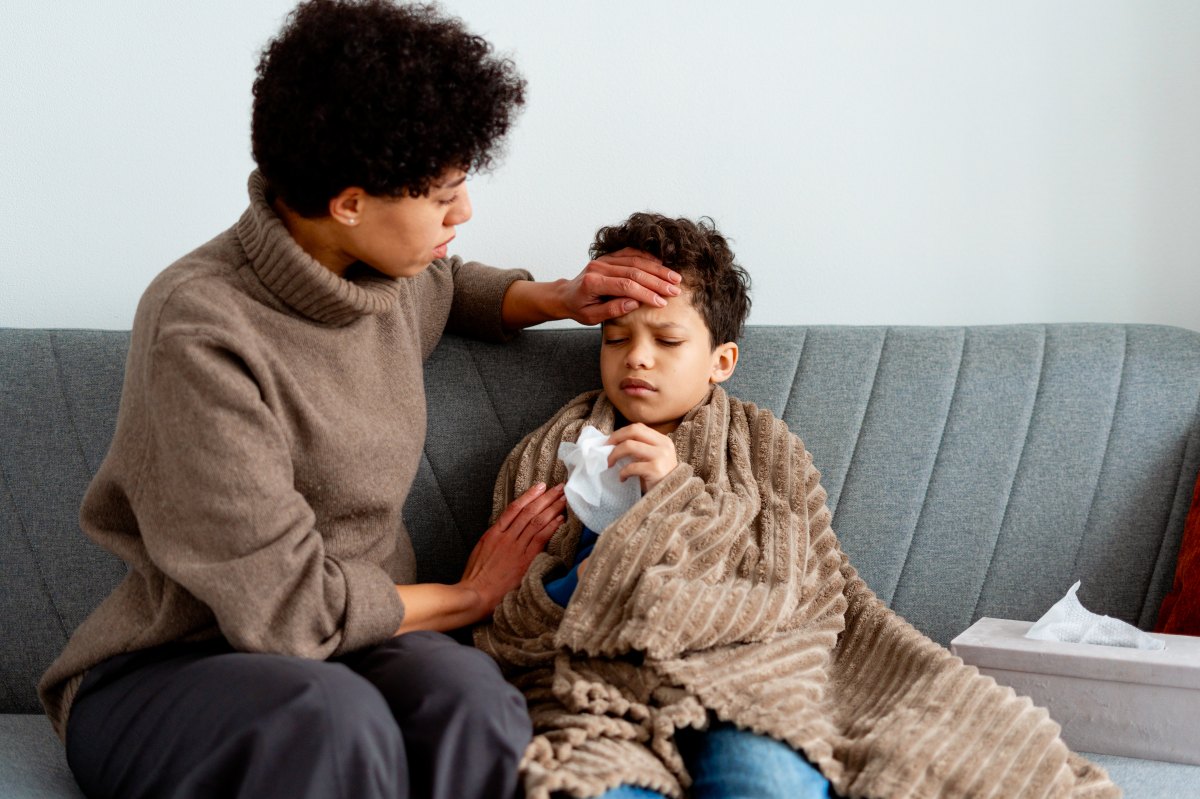

Flu season is back, and families want practical ways to limit the spread at home. Here is what to know about timing, symptoms, prevention and medical care.
When Is Flu Season in the U.S.?
Flu season in the northern hemisphere typically runs October through March and can stretch into May, according to Mayo Clinic. Southern hemisphere flu usually falls between April and September. Outbreaks often begin in classrooms, where younger children with developing immune systems are most vulnerable.
What Are the Most Common Flu Symptoms?
Common flu symptoms include fever or chills, cough, sore throat, runny or stuffy nose, muscle aches, headaches and fatigue, according to the CDC. Vomiting and diarrhea can also occur, more often in children. Most people recover within two weeks, but complications such as pneumonia can be life-threatening, and flu can worsen conditions like asthma and chronic heart disease.

How Does the Flu Spread From Person to Person?
Flu viruses travel in droplets when an infected person coughs, sneezes or talks, and can also spread through contaminated surfaces, Mayo Clinic explains. A person is typically contagious from about a day before symptoms appear until roughly five to seven days afterward. David A. Cabezas, a family medicine specialist at UF Health Urgent Care, recommends isolating the sick person, wearing masks, washing hands often and improving ventilation to limit household spread.
How Can You Prevent the Flu at Home?
Clean high-touch surfaces regularly with EPA-approved disinfectants, focusing on doorknobs, light switches, countertops, phones and remotes, according to University of Rochester Medicine. The American Lung Association advises carrying hand sanitizer with at least 60 percent alcohol when soap and water are not available. Amy Pridemore, assistant clinical professor at Auburn University College of Nursing, told Campus Insights Media keeping sick children home until they are fever-free for 24 hours helps stop germs from moving through schools. “The younger they are, the more likely they are to get sick because they don’t have that strong immune system yet. That’s why you see a lot of illnesses start in the kindergarten classrooms and in the pre-K classrooms before they get a little older and develop that immune system a little more,” Pridemore explained.
Who Is at Higher Risk for Flu Complications?
Higher-risk groups include young children, adults over 65, pregnant people and those with weakened immune systems or chronic conditions such as asthma, diabetes and heart disease, according to Mayo Clinic.



When Should You Get the Flu Vaccine?
Everyone 6 months of age and older should get a flu vaccine every season, especially people at high risk, according to the American Red Cross. The CDC maintains a list of who should and shouldn’t get the shot. Flu vaccination during the 2019-2020 season prevented an estimated 7 million illnesses, 3 million medical visits, 100,000 hospitalizations and 7,000 deaths in the United States, the CDC reports. Pridemore said the shot helps the body recognize and fight the virus, making illness less severe even for people who still get sick.
How Is the Flu Treated?
Antiviral drugs are the primary treatment and require a prescription, according to the CDC. They work best when started within two days of symptoms and can shorten illness by about a day. Otherwise healthy people can often recover at home with rest, fluids and over-the-counter remedies. Seek emergency care for difficulty breathing, chest pain, persistent dizziness, seizures or severe weakness. In children, warning signs also include rapid breathing, bluish lips or nail beds and signs of dehydration such as no tears when crying.
The video Protecting Families from the Upcoming Flu Season was first featured on Campus Insights Media.