Former Bachelorette Katie Thurston is nearly ready to start the surrogacy process to expand her family with husband Jeff Arcuri.
“The first thing we’re doing, actually, is we are going to Hawaii again. Our trip [in February 2025] was obviously very much disrupted with the diagnosis and healing from biopsies,” Thurston, 35, exclusively told Us on Wednesday, October 21, while promoting Breast Cancer Awareness Month. “We really just didn’t get to enjoy a real vacation together, and so it’s him and I, we’re going. There’s no work, no friends, no family, just us.”
Thurston and Arcuri, 39, moved up their wedding plans and eloped during an intimate ceremony at their New York City home in March 2025 after she was diagnosed with breast cancer. Thurston, who has since undergone a double mastectomy, froze her eggs before beginning treatment.
“A wedding is nowhere on my mind still, like, let me move in [to the house we’re renovating] first, which you know if we’re lucky, that’ll be next summer,” she told Us. “It does feel like we can start kind of focusing on those things. Surrogacy takes a long time in terms of finding a match and doing that, so I could see that starting, you know, sometime next year — at least the beginning searches.”

Thurston and the comedian have had frank conversations about their potential future in light of her health battle and surrogacy journey.
“I mean, Jeff and I have had to balance the reality of like, ‘It’s possible that these two embryos don’t take, and what does that mean for us?’ In some ways, we’ve kind of accepted whatever happens, happens,” she said. “There is a possibility that we won’t be biological parents. There is, of course, an option to adopt, as a lot of people like to suggest. But what they don’t realize is there’s so many layers before you even get to that thought.”
She continued, “There’s the mourning of not getting to be a biological mother, there’s the mourning of losing these embryos and then there’s also a financial element that goes into play with pursuing surrogacy and adoption. And so, as much as people want to be quick to be like, ‘Well, you could adopt.’ It’s like, ‘Well, so could you.’ It’s a very personal thing, and I get what they’re trying to say, but it’s a very emotional thing, it’s a financially heavy thing, and we’ve had to really picture what parenthood could look like.”
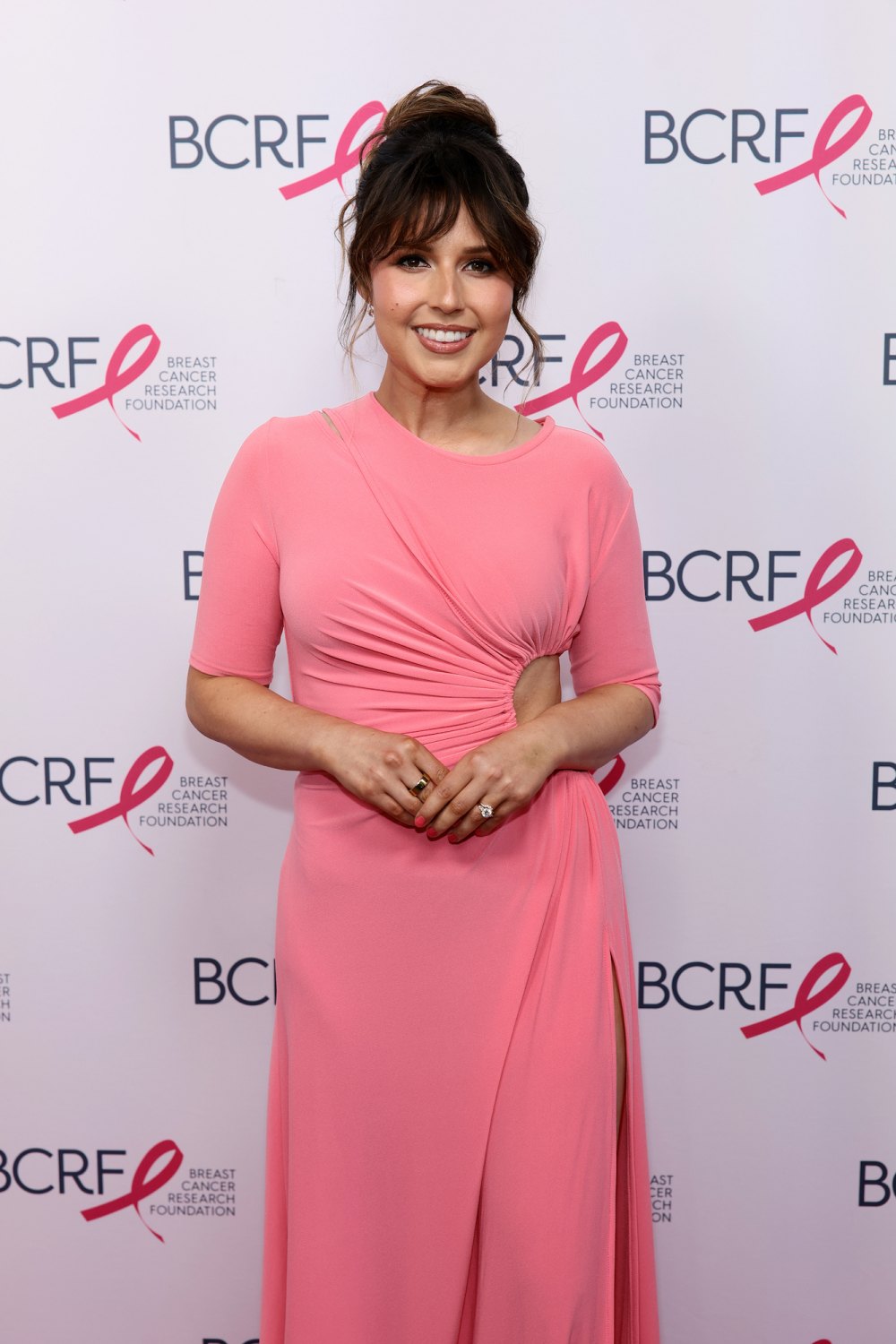
While Thurston and Arcuri are hopeful their future includes children, they are also “accepting the cards [they’re] dealt.”
“[We saw our new house as] our future home with our future babies, and so we’re just hopeful,” Thurston said. “We do understand life never goes as planned, as we’ve learned. So we’re just open to accepting the cards we’re dealt, whatever those may be, and making the best of it.”
In addition to looking forward to her next steps, Thurston also continues to advocate for breast cancer research and early detection.
“I think the biggest thing people don’t realize is breast cancer can happen before you’re 40,” she told Us. “We’re just trained like, ‘Mammogram at 40 because that’s when breast cancer starts and it only happens after,’ but regardless of your family history, regardless of your age, … it can happen, and that’s not to try and scare people.”
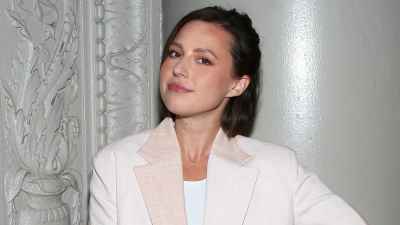
Thurston notes that for anyone diagnosed with stage I, stage II or stage III breast cancer, the illness can be “curable.”


“The only way to catch that is [through] early detection, and so I’m really trying to educate women, especially those under 40, how to be an advocate for themselves, how to check their breasts,” she said. “Check for changes, not just lumps, but the appearance. Maybe it’s dimpling, maybe it’s inverted nipples or discharge, things that just aren’t normal. Really work with your medical team to figure out if this is something to explore further.”
As for Thurston’s health battle, she recently revealed via social media that doctors found “no evidence of disease.”
“People often are confused [about] what that means, and in the stage IV setting, it just means there’s no evidence of active cancer, so it’s not showing up in my blood work, it’s not showing up on a scan even though it’s something that I deal with forever,” she explained. “As of right now, it’s not impacting my health. I will still be on treatment and continue that, but it’s really like a weight off my shoulders from how I feel today versus how I felt back in 2025 when I was first diagnosed.”