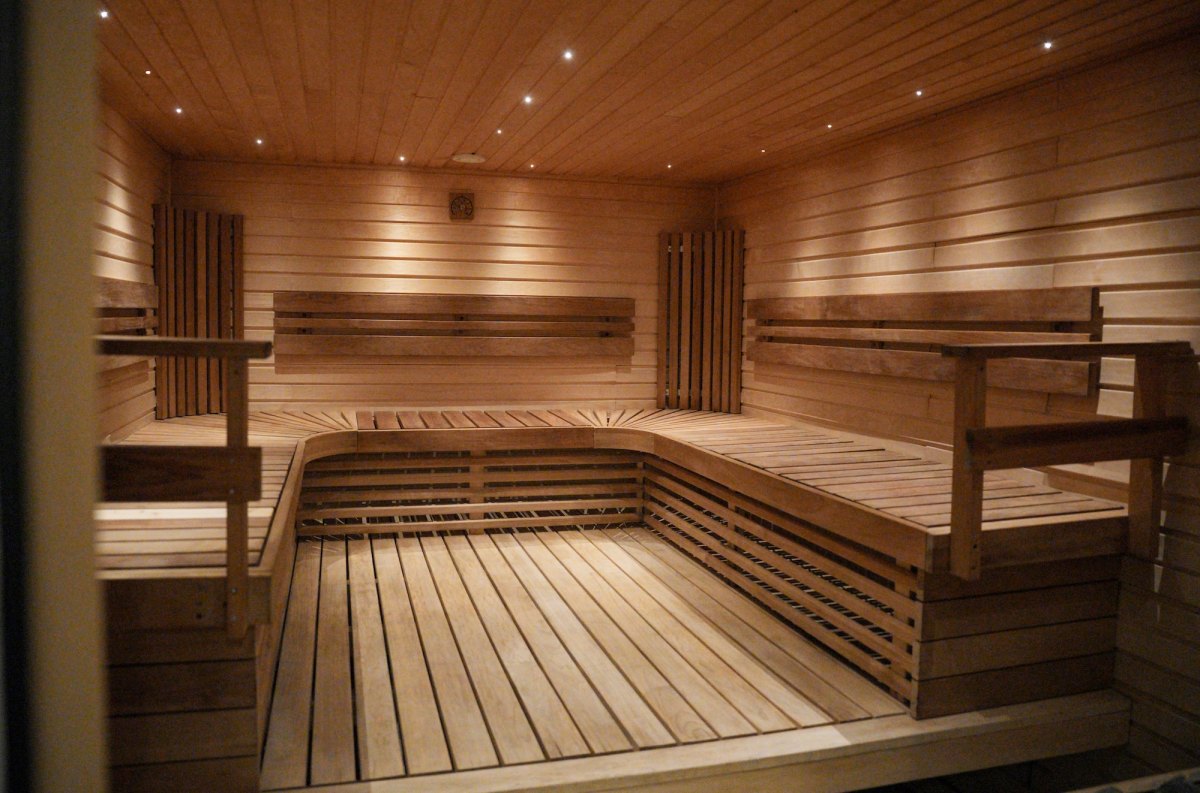

The home recovery lab has moved from social media aspiration to a serious household spending category. Fitness-focused homeowners are stacking infrared saunas, cold plunges, compression boots and red light panels beside their treadmills chasing the ability to sweat, freeze and decompress on their own schedule. The pitch is convenience. The reality is a five-figure decision that hinges on how often you’ll actually use the gear.
A full home recovery lab can climb past $5,000 before you flip a single switch, and the bill doesn’t stop at checkout. Electricity, water care, replacement parts and floor space all shape what you’ll really spend over a decade of ownership and whether the investment quietly pays for itself or slowly collects dust in the garage.
How Much Money Really Goes Into Building a Home Recovery Lab?
Most people don’t build a home recovery lab in one shopping trip. They add modalities one at a time a sauna this year, a plunge next year, a panel after that layering equipment as their budget and their routines evolve. A typical setup ends up combining several popular tools, each aimed at muscle soreness, circulation or relaxation. Prices vary widely by brand, size and feature set, so it helps to understand the general ranges before you commit.

Common components and their typical price ranges:
- Infrared sauna: $2,000 to $4,000
- Cold plunge tub: $2,000 to $4,000
- Compression boots: $500 to $1,000
- Massage gun: $150 to $500
- Red light therapy panel: $300 to $1,500
Stack the mid-range of each category and you’re already around $5,000 before installation, accessories or the extra outlet an electrician might need to add.
What Home Recovery Lab Owners Are Spending in 2026
Avid tennis player and daily gym-goer Elyse Roberts told the New York Post in June 2026 that placing recovery equipment right next to her home gym made the routine automatic.
“I have the room, so it’s just easier,” she said. “I would rather just go from the gym into the cold plunge, then into a sauna or do the sauna at night before sleeping … and it works in my schedule a lot better.”
Roberts drew on design guidance from the LIT Method, founded by husband-and-wife team Justin and Taylor Norris. LIT stands for longevity, innovation and technology.
“We really like to lean on the contrast therapy space,” Justin told the outlet. “So anything that has to do with infrared red light therapy, traditional saunas and then cold plunges as well.”
He said the shift toward home recovery mirrors a broader interest in longevity and biomarkers. “It’s shifting towards [building] a long-term sustainable routine that not only helps [the] wellness side of things, but different elements such as sleep and recovery.”
“Most people are now saying, ‘OK, a home gym is great, but I want to create this recovery oasis, this sanctuary that’s more for mental, physical and overall well-being,’” he added.
Norris said that newcomers testing contrast therapy typically spend $8,000 to $10,000 before committing to a larger buildout. For Carlos Pantoja, the price was closer to $20,000, with a sauna and cold plunge bundle he bought to recover from major surgery after a car accident. Six months in, he said the setup has been worth every dollar.
“I’ve had it for about six months, and it has worked tremendously,” Pantoja said. “My doctors are completely impressed, especially after having spinal surgery done. It has been a game-changer for me.”
“When you travel and use other gyms, it’s not the same values and vibes,” he added. “It’s an investment for my life, my mental health, my physical health and longevity itself. And it’s the best thing I have purchased and has changed my life.”
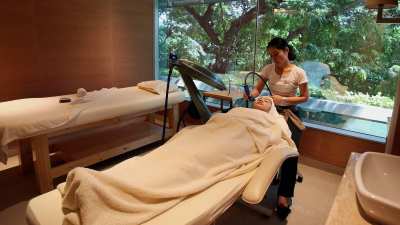
When a Home Recovery Lab Is Worth the Price
Whether a home recovery lab actually pays off depends on how you’ll use it not on how impressive it looks on Instagram. The math favors ownership when the equipment gets used three to seven times a week, when household members share it, when the gear lasts seven to 10 years without heavy repairs and when you’re already paying for saunas, cold plunges or compression therapy elsewhere. It tilts the other way when the plunge sees use once or twice a month, when purchases are driven by trends, when repairs get frequent or when a move forces a resale at a loss.



My Luxury Home Spa puts it plainly “A cold plunge can be worth the money if you plan to use it consistently. The greatest value often comes from convenience, recovery routines, daily wellness habits and having immediate access to cold water therapy whenever you want it.”
The site also flags the running costs buyers tend to underestimate “Homeowners should also consider electricity use, water care, filtration, cleaning and whether the system will be placed indoors or outdoors. Premium cold plunge systems are often worth the higher upfront cost for buyers who want easier maintenance, better temperature control and a more consistent user experience.”
Red light therapy carries its own price logic. “The lowest red light therapy cost is not always the cheapest device it is the device you will use consistently and that has enough verified output for your goal,” Hale Health says. “Quality red light therapy panels cost real money. An entry-level targeted panel starts around $300-600. A full-body setup runs $2,000-5,000+. That is not an impulse purchase for most people.”