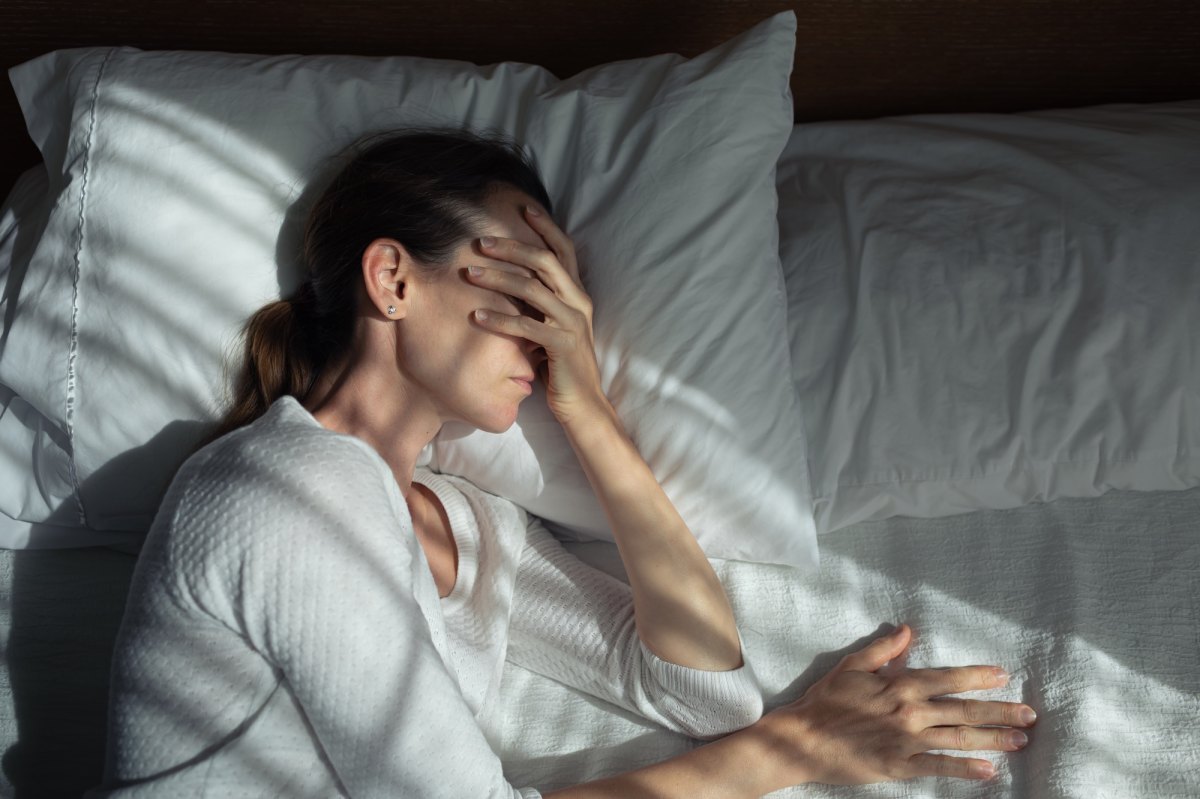


The diagnosis gap is staggering. An estimated 90 percent of women with sleep apnea go undiagnosed, and roughly 80 percent of all U.S. cases slip past detection entirely. A wave of FDA-cleared smart rings from Samsung, Happy Health and Belun Technology is now pushing overnight screening out of the sleep lab and onto a finger, and the shift could reshape how millions of Americans discover a condition tied to heart disease, stroke and diabetes.
What Sleep Apnea Looks Like
Sleep apnea repeatedly interrupts breathing overnight, often without the sleeper’s knowledge. Common overnight signs include loud, persistent snoring, sudden gasping or choking for air, waking with a dry mouth and frequent pauses in breathing that a bed partner may notice first. Daytime symptoms tend to show up as excessive sleepiness, morning headaches, trouble concentrating and irritability tied to broken sleep. Left unmanaged, those repeated drops in airflow and oxygen can hit daily focus, mood and long-term cardiovascular health.
Why Women Are So Often Missed in Sleep Apnea Diagnosis
Women present differently, and clinicians often measure them against a male checklist. According to Sleep Cycle Center, women are less likely to snore loudly, and their apnea events tend to be shorter and less frequent. Symptoms often get attributed to anemia, depression or menopause instead.
The Sleep Institute reports that women are less likely to be referred for sleep testing than men even when reporting similar symptoms, and when they are tested, they are less likely to be diagnosed or treated for obstructive sleep apnea. Women more often describe non-specific complaints such as daytime fatigue, insomnia, nightmares, depression, anxiety and gastric reflux, the outlet adds, and those can easily be misattributed to other conditions.
Hormones raise the stakes. Both polycystic ovary syndrome and menopause meaningfully increase risk. In PCOS, elevated androgens and insulin resistance can drive weight gain around the neck and midsection, destabilizing the upper airway. During menopause, falling progesterone (a natural respiratory stimulant) and estrogen strip away a protective barrier for airway muscle tone. According to research on sleep-disordered breathing, about 6 percent of women across all ages live with moderate to severe OSA and another 5 percent have a milder form. After menopause, rates surge to 20 percent or higher.
How a Smart Ring Changes the Equation for Sleep Apnea Diagnosis
Sleep apnea is a strong fit for wearables because it is common, dangerous, underdiagnosed and expressed through overnight physiological signals a ring can measure night after night. That repeatable, multi-night data can capture variability that a single in-lab test can miss.
In 2025, the FDA cleared the Happy Ring as a Class II medical device to help diagnose sleep apnea, insomnia and other sleep-related conditions from home. Paired with the Happy Sleep virtual platform, users can complete an overnight test, consult a board-certified sleep specialist and start a plan that could include CPAP machines, dental appliances or GLP-1 therapies.
“Sleep is the foundation of health and the ‘canary in the coal mine’ of disease,” said Dustin Freckleton, M.D., founder and CEO of Happy Health. “When we measure sleep accurately in people’s 20s, 30s and 40s, we expose the patterns that drive heart disease, hypertension, metabolic and behavioral disorders decades later.”


Samsung’s FDA-cleared Sleep Apnea Feature on the Galaxy Ring arrived in 2026. Users wear the ring to bed for two nights within a 10-day window, and AI estimates how often breathing pauses each hour, flagging signs of moderate to severe obstructive sleep apnea in adults not yet diagnosed. It offers insights, not an official diagnosis.
The Belun Ring, cleared by the FDA in 2023, is a cableless photoplethysmography-based wearable worn on the index finger that records oxygen saturation, pulse rate and actigraphy for up to 10 hours a night, per the American Academy of Sleep Medicine. It is prescribed by clinicians and enables multi-night analysis without in-lab polysomnography. Belun’s CEO, Dr. Lydia Leung, said the goal is to facilitate home sleep tests for identifying undiagnosed OSA.
Why This Matters Now
Untreated OSA drives serious downstream costs. The American Academy of Sleep Medicine estimates 23.5 million undiagnosed U.S. cases account for $149.6 billion annually in health care use, motor vehicle and workplace accidents and reduced productivity. Getting more people screened at home, especially women whose symptoms have long been overlooked, could close a gap that awareness campaigns alone have not.