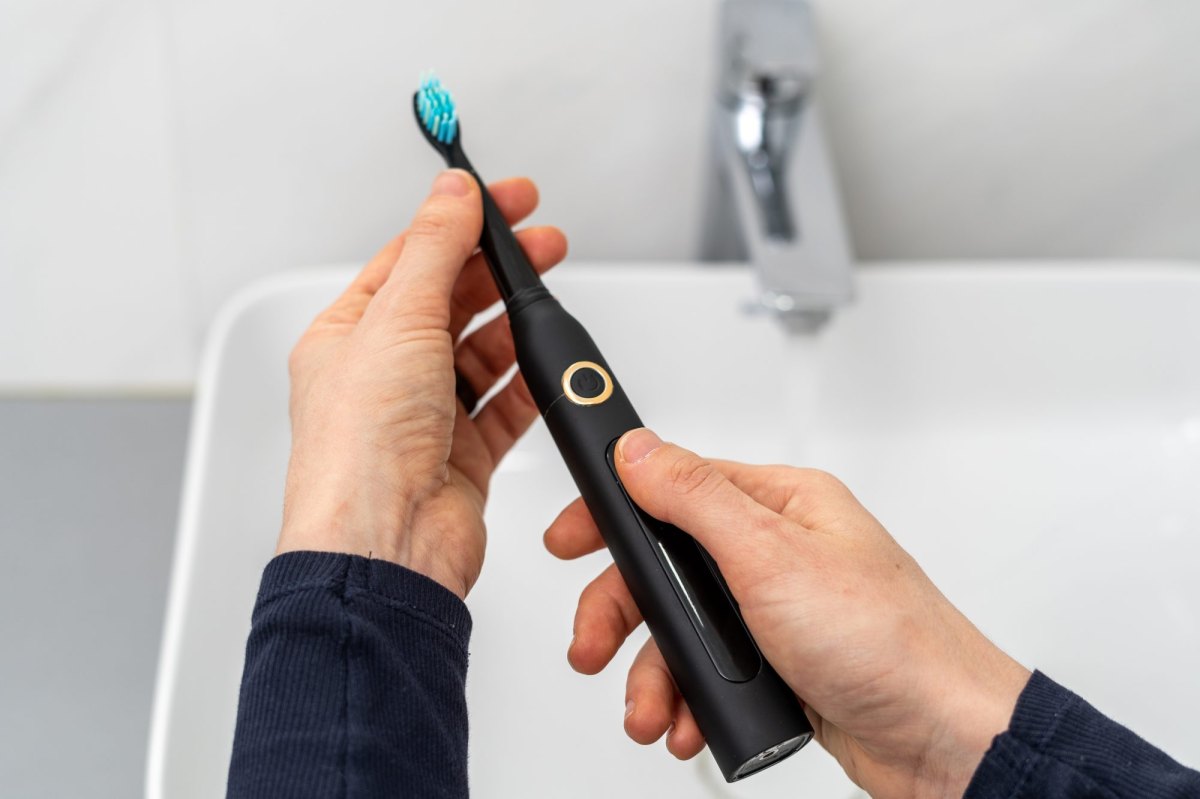


Smart toothbrushes have had timers, pressure sensors and motion tracking for years. The newest ones are going further, adding intraoral cameras, machine learning and real-time visual feedback designed to show you what’s actually happening inside your mouth rather than just guessing where the brush has been.
The timing is notable:
- Dyson launched its $499 CameraJet on September 1, 2026, after six years of development.
- usmile unveiled its $199.99 D50 OralCam the very next day.
- Feno and LumaBrush are taking similar toothbrush camera technology in different directions.
- Philips and other established brands are adding more sophisticated AI motion tracking even without cameras.
These newer, high-tech toothbrushes represent a shift from “did you brush for two minutes?” toward “what did you actually clean, and what might you have missed?” But they also raise a more pressing question: if a manual toothbrush already works when used correctly, how much value do cameras and AI really add?
After all, the American Dental Association is clear that both manual and powered toothbrushes can be effective as long as you brush for two minutes twice a day with soft bristles.

Not Every Toothbrush With Camera Technology Uses It the Same Way
These products look similar on the surface, but the cameras are doing very different jobs depending on the brand.
The Dyson CameraJet uses a 100,000-pixel macro camera capturing 28 images per second. Machine learning identifies the gaps between teeth in real time and triggers a targeted jet of water or mouth rinse as the brush passes them. Users can also livestream the view through the MyDyson app. The camera is both steering the water jet and helping users see their own technique.
The usmile D50 OralCam pairs a 300,000-pixel camera with specialized lighting, motion sensing and machine-learning feedback. Instead of estimating coverage from handle movement, it’s designed to make plaque visible, translate that into brushing guidance and automatically increase intensity when it detects an area that needs more attention. It’s a smart electronic toothbrush that tries to adjust to what it sees.
Feno takes a completely different approach. Its U-shaped mouthpiece brushes the entire mouth in about 20 seconds, starting at $299. The camera-equipped SmartHandle works more like a separate oral scanner, capturing images for ai-powered toothbrush insights in the app rather than steering the brush in real time.
LumaBrush, at roughly $199, leans hardest into monitoring. Its high-resolution intraoral camera captures images and video, and an AI model trained on 70,000 clinical images can flag staining, plaque buildup, suspected cavities, filling types and missing teeth. The company frames it more as diagnostic technology than brushing guidance.
Dentists See Potential in Smart Toothbrush Technology but Want Better Evidence
None of the camera-equipped toothbrushes listed above carry the ADA Seal of Acceptance. That doesn’t automatically mean they’re ineffective. The Seal is voluntary, and manufacturers have to apply and submit evidence supporting their safety and effectiveness claims.
The bigger gap is limited independent testing. Dyson says the CameraJet outperformed a manual toothbrush in a six-week study of 204 participants. But Vanna Stone, DMD, told Allure that other electric toothbrush models would likely beat a manual brush too. The more useful comparison, she said, would be the CameraJet against an electric toothbrush plus floss.
That’s the unanswered question hanging over the whole category: whether the camera and AI make these brushes meaningfully better than an electric (or manual) toothbrush used properly.
Brian Kantor, DDS, told Allure the technology is promising, especially if it helps people clean between their teeth more consistently. But he wants to see how it performs in real-world use before recommending it.

The Biggest Advantage of a Smart Toothbrush May Be Better Feedback
Most people only get detailed feedback on their brushing twice a year at the dentist. Smart toothbrushes are trying to move some of that into the bathroom.
There’s early evidence that feedback-driven brushing can make a real difference. A 2025 randomized trial of 150 adults found that an interactive toothbrush with real-time app feedback and weekly professional review produced greater plaque reductions over six months than either a standard electric toothbrush or a manual brush.



Another randomized trial found that immediate smartphone feedback helped adults reduce full-mouth plaque scores by about 70 percent over four weeks, compared with roughly 30 percent in the control group.
Neither study proves that adding a camera makes a toothbrush better. But they do suggest that seeing what you’re doing wrong and getting specific, real-time feedback can change brushing behavior for the better.
A toothbrush with camera technology could make that feedback even more concrete by showing plaque, missed areas or changes in the mouth rather than relying on motion sensors and timers alone. Whether that translates into meaningfully better long-term oral health than a quality electric toothbrush used correctly is the question these products still need to answer.