For most women, hormone therapy has long been a messy patchwork: an estrogen patch on the hip, a progesterone pill at night, a separate cream for dryness and—if libido crashes—a testosterone prescription added somewhere along the way.
It’s a familiar scene: stacks of prescriptions, inconsistent absorption, side effects from oral dosing, mood crashes during fluctuations and women trying desperately to stitch together a plan that “kind of works,” but never fully delivers.
But what if one cream—applied vaginally in a pearl-sized amount—could offer full-body hormone therapy designed the way women’s physiology actually prefers?
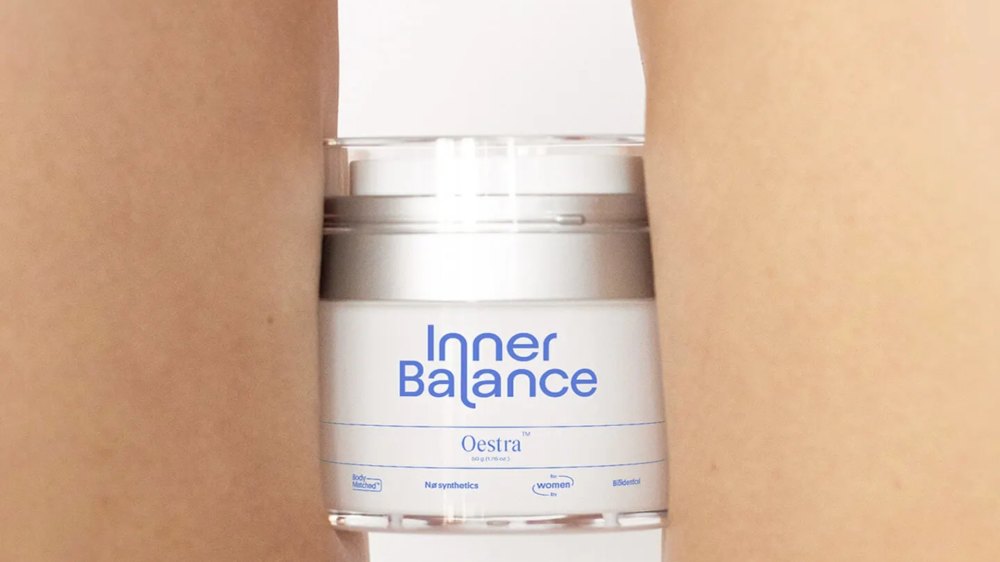
This is one of the goals of Oestra®, Inner Balance’s flagship product and a notable development in women’s hormone care.
And according to new data from the company’s internal observational study, the results appear promising.
A System Designed Around Women’s Physiology
Oestra® is not just a hormone cream. It reflects a different interpretation of existing research: that vaginal hormone therapies are “local only.”
“That idea comes from microdose products designed specifically not to be systemic,” says Dr. Sarah Daccarett, CEO and founder of Inner Balance. “It was never a limitation of the route—it was a limitation of the dose.”
When hormones are intentionally formulated for systemic use, the vaginal route becomes one of the most efficient and physiologically elegant paths into the bloodstream. Decades of pharmacokinetic research, contraceptive ring data and clinical trials prove it.
Oestra® harnesses this underused pathway—using vaginal delivery not for dryness alone, but for steady, systemic hormone delivery.
“It’s smoother and more consistent,” Dr. Daccarett explains. “And women feel the difference.”
The Science the Industry Overlooked
Why vaginal delivery works so well comes down to foundational physiology:
It bypasses first-pass metabolism
Oral hormones are filtered through the liver, creating metabolites like estrone that can increase side effects and decrease benefits. Vaginal delivery may help reduce this effect.
It may support steadier blood levels
The rich pelvic vasculature absorbs hormones directly into circulation, which may contribute to more consistent hormone levels over time.
It may support progesterone’s role in endometrial protection
The “first uterine pass effect” is intended to support endometrial protection while still allowing systemic progesterone levels.
It delivers more active hormone per dose
Vaginal estradiol absorption yields ~70% active unconjugated hormone versus ~35% for oral therapy.
Everyday contraceptive rings have been cited as evidence of systemic delivery
Millions of women have used vaginal rings that prevent ovulation—something only possible through systemic hormone levels.
“Vaginal delivery is systemic,” Dr. Daccarett says. “It always has been. Medicine simply didn’t use it that way—until now.”
Inside the Formulation: Two Hormones Doing the Work of Four
Oestra® contains bioidentical estradiol and progesterone, carefully calibrated to mimic the body’s natural ratios.
There is no DHEA and no testosterone, and some patients may also experience increased testosterone levels.
How?
Progesterone naturally converts downstream into testosterone. When progesterone is restored to healthy mid-range levels, women often experience:
- increased libido
- improved arousal
- better energy
- more motivation
“Our data showed testosterone increases without giving testosterone,” Dr. Daccarett explains. “This avoids the issues women often face—acne from DHT conversion, irritability from pellets or mood swings from injections.”
One Cream Instead of Four
Where traditional HRT often forces women to juggle multiple prescriptions, the company reports that Oestra® is designed to support multiple aspects of wellness in one daily dose, including:
- Brain
- Mood
- Sleep
- Sex drive
- Vaginal comfort
- Period health
- Energy
- Hair & skin
- Metabolism
- Bone
- Cognitive clarity
“All from a single cream,” Dr. Daccarett says. “Women needed simplicity.”

The Bigger Impact: A New Standard of Care
If Oestra® succeeds—and the data suggests it’s well on its way—it could fundamentally shift hormone therapy in the U.S. from:
- oral-heavy to liver-friendly
- symptom-specific to full-body systemic
- guesswork dosing to body-matched precision
- doctor-dismissal to women-centered care
“Women deserve a therapy that is safe, systemic, and sane,” Dr. Daccarett says. The goal isn’t to reinvent hormones but to explore a different delivery approach. For millions of women who’ve felt unheard or misunderstood, Oestra® could be the solution they’ve been waiting for.