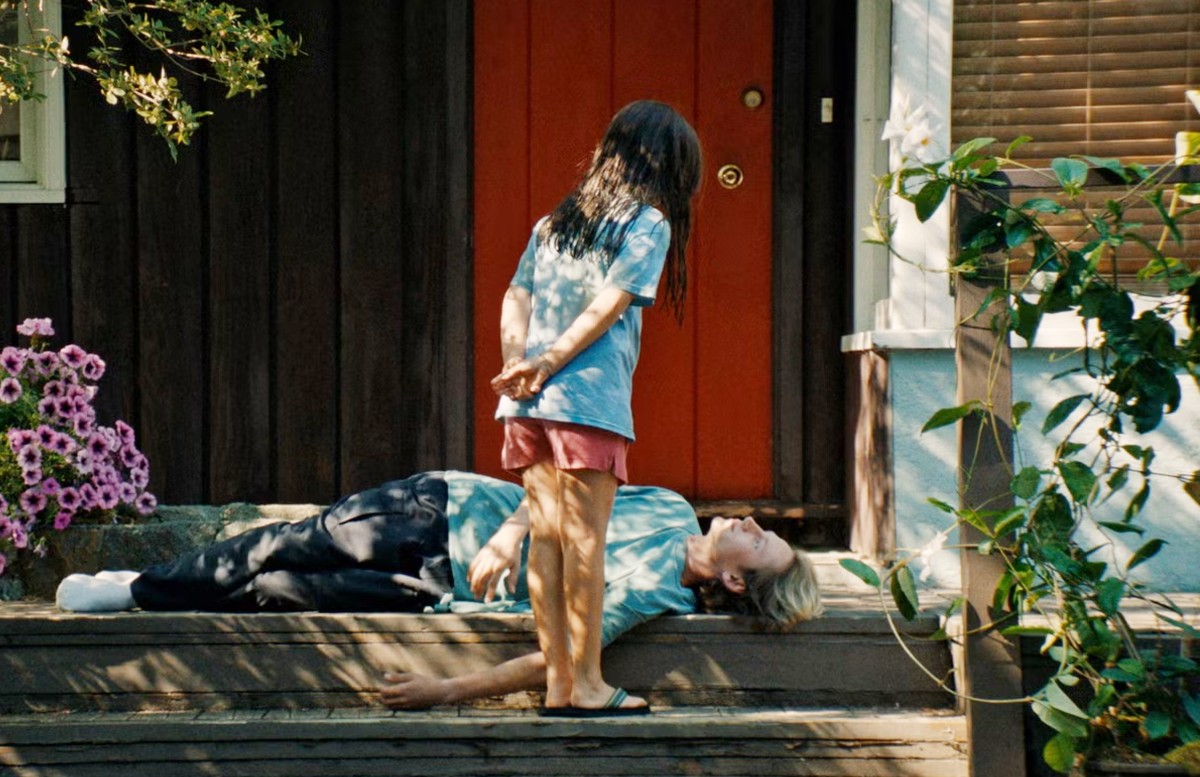

Blue Heron isn’t a mystery in the traditional sense. There’s no crime to solve or murderers to apprehend. Instead, it examines a family slowly coming apart and a young girl who silently takes in everything around her — especially her older brother (Edik Beddoes), who seems like a ticking time bomb ready to explode at any moment.
Sounds like a drama, right? Well, Blue Heron is that, too. It’s a lot of things: a meditation on memory, a portrait of mental illness and the power of storytelling to piece together people and events from the past.
That’s what makes it the best 2026 movie I’ve seen so far this year. Small in scope but big in the emotions it conjures up inside you, it’s a deeply personal and technically superb film about how we can never really know our own family, especially the ones that fascinate and scare us the most.
What Is ‘Blue Heron’ About?

The first half of Blue Heron is set in the 1990s, as it follows a young family as they settle into their new home in British Columbia. Through the eyes of pre-teen daughter Sasha (Eylul Guven), we realize something is off with the oldest brother, Jeremy (Beddoes). Distant and mostly silent, he’s always walking behind everyone else and disobeying mom and dad’s orders. Gradually, a more unsettling portrait emerges: Jeremy has some psychological issues that the parents have tried to address, to no avail.

The second half of Blue Heron is set decades later, with a grown-up Sasha (Amy Zimmer) now working as a social worker. She’s still trying to solve the mystery of her brother’s behavior and understand the effect he had on her and the rest of her family. What happened to Jeremy? What caused him to act the way he did? And how did the family cope with someone who always seemed more like a stranger than a relative?
What Makes ‘Blue Heron’ 1 of 2026’s Best Movies So Far?
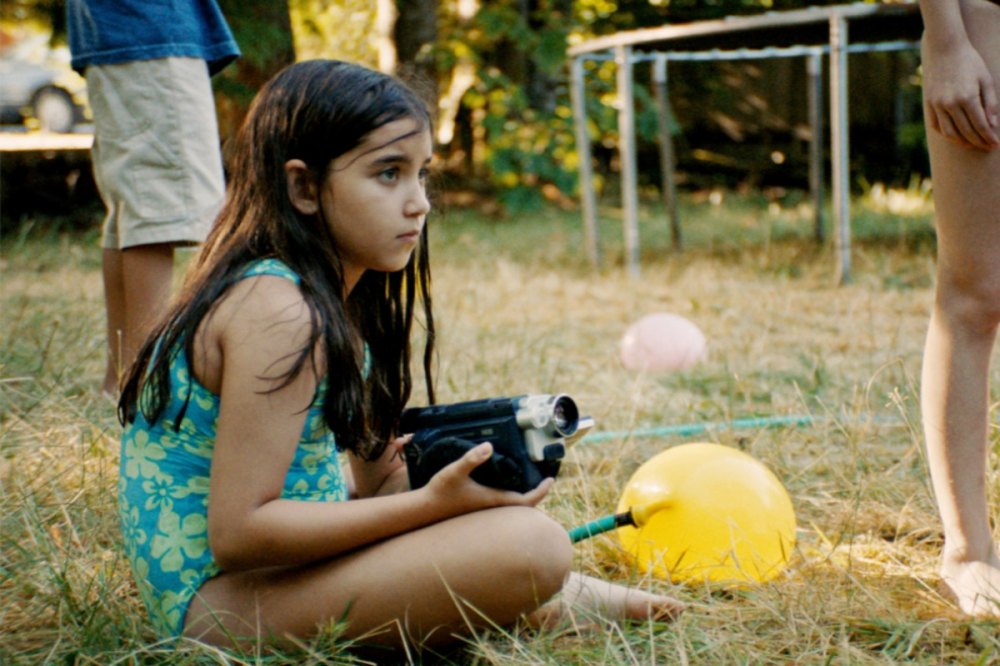
Writer and director Sophy Romvari answers some of these questions, but not all of them. One of the major points of Blue Heron is that some mysteries can never be fully explained, only dealt with, and that’s the case with Jeremy. All these years later, Sasha is still haunted by her brother’s behavior and how even he seemed like a prisoner in his own body.
I’ll be honest — I dreaded the moment this material would become sensationalized. We’ve seen young disturbed boys like Jeremy in mass media before, and they are almost always portrayed as villains or boogeymen who inevitably perform some kind of act of shocking violence, like a school shooting or a murder.
That’s not the case with Blue Heron, which is more interested in Jeremy’s behavior and his family’s reaction to it than in depicting what Jeremy actually does — if he does anything at all. It’s the possibility of violence that Jeremy poses, through his anti-social actions and his tossed-off threats that seem to come from nowhere, that sets everyone on edge and causes his mother and dad to seek professional help. But their therapist doesn’t really know anything either, and what they’re left with is a troubled child they love, but who could pose a danger to them and their other children.
Forgiving But Not Forgetting



In several interviews, Romvari has confessed that many aspects of Blue Heron are autobiographical. That makes sense when you watch it, as the film’s ambiguity has the power of truth behind it. Near the end of the film, adult Sasha confronts her memory of Jeremy head-on.

Through a sequence involving some fill-in-the-gaps narration and a simple edit, Romvari expands our knowledge of him and gives him a moment of grace and forgiveness. There’s more to Jeremy than Sasha, or the audience, will ever know, but what’s left behind is a portrait of a son, brother and boy who was just as much a victim of his own behavior as his family was.
Blue Heron is playing in theaters right now.