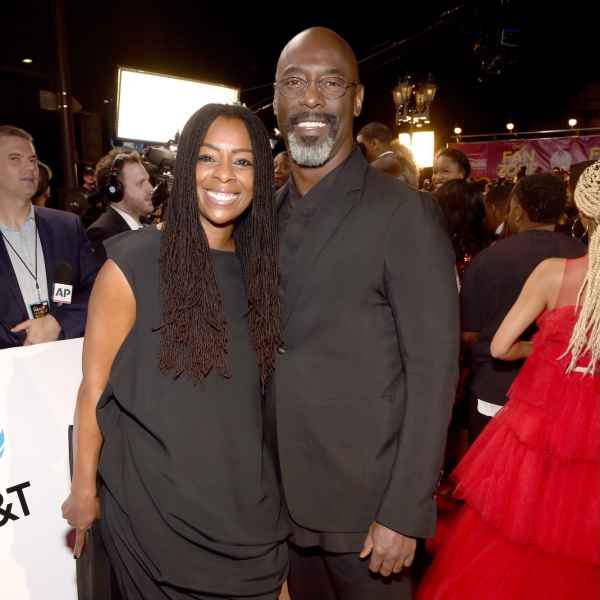
Carrie Ann Inaba is no stranger to navigating criticism from devoted Dancing With the Stars fans — but she wasn’t always so confident.
“In the beginning when it first started, I was not used to it. I was a dancer, and when you’re a dancer, you’re used to everybody loving you. So I went from that to becoming sort of a villain in so many ways,” Carrie Ann, 58, exclusively told Us while promoting her partnership with Novartis.
Carrie Ann has held her position at the judges table since the show’s 2005 premiere, most recently sitting beside Bruno Tonioli and former DWTS champion Derek Hough. For Carrie Ann, staying true to herself is vital when navigating all the online noise.
“I think in this life, everybody’s dealing with that. Everybody’s got an opinion about something. We’re also divided about everything. So I think everyone is going through that,” she said. “I want people to be able to have their opinion, just like I have my opinion. I think that that’s fair. So I really have this strong fairness thing. Like I need everything to be fair. So if I get to have my opinion, I have to be strong enough to hear other people’s opinion. I’ve always told myself that from day one.”

She continued, “When people give me their opinion, sometimes I engage because I want to know why. Because we’re all learning, right? I think it’s always interesting to hear people’s opinion. And sometimes when I know it’s just being cruel, then I don’t engage.”
Carrie Ann pointed to the fact that DWTS is a “group collaborative effort,” noting that fans are “what make the show” and — of course — ultimately cast their votes on the competing couples.
“They are the ones who get those people going,” she said. “I mean, I think last year we had like 75 million votes in the finale. Yeah, I mean that’s a lot of people getting involved, and that’s wonderful. So how could I ever be upset about whatever their opinion is? I’m just happy that they have one.”
After fellow judge Len Goodman died, Carrie Ann recalled feeling an innate need “as the woman” on the panel to “always, kind of, step in and fill the holes.”

“Sometimes I think we need to just put down the foot right, but I’ve always been that way. Like I just always trust what I see and I always trust myself in those moments because you have to, right?” she explained. “The truth is, you know, we get a lot of feedback, and me, I get a lot of feedback about what I say and what I do because I’m a woman, and we know that. But that’s OK. So therefore, I must be sure, and I must feel good in what I say, so I always just check in here and I say what I really mean, and I know my intentions.”
She continued, “I’m always there to help the person who’s in front of me. I’m not there for anyone else. I’m not there to look good. I’m not there to be popular. I’m there to make sure that the person dancing in front of me gets any information that could help them get what they want out of the show, and so that’s what I’m always doing with my comments. Sometimes I don’t get them out in the most eloquent way. I don’t know any of the people who are watching who think they could do it either in 15 seconds.”

While navigating criticism from fans, Carrie Ann has also been quietly battling Sjögren’s disease. Per the Mayo Clinic, Sjögren’s disease leads to the body accidentally attacking its own tissue and can affect glands that make moisture in the eyes and mouth.



“It’s challenging because you can’t see this disease on the outside,” she said. “Especially, I think for me, it’s a very unique situation because I work in television, and I have a team that puts me together. So if I’m really not feeling good, I look like I’m feeling good, right? That’s kind of the point of having the 19 people that are standing right here helping me out.”
While Carrie Ann previously worried that Sjögren’s disease may impact her DWTS career after she missed the first episode of last season, she’s hoping that speaking about her health battle through Novartis for the Sjöut for Sjögren‘s campaign can help spread awareness.
“I think a lot of people who deal with something like Sjögren’s disease and are battling chronic illness go through these moments where you wonder if you can keep going, if you can keep your job,” she said. “That’s why it’s so important to have conversations like this about it.”