

The hottest wellness trend of 2026 doesn’t involve a supplement, an app or a biohacking protocol. It involves knitting, long lunches and walking to the market — just like an Italian grandmother would.
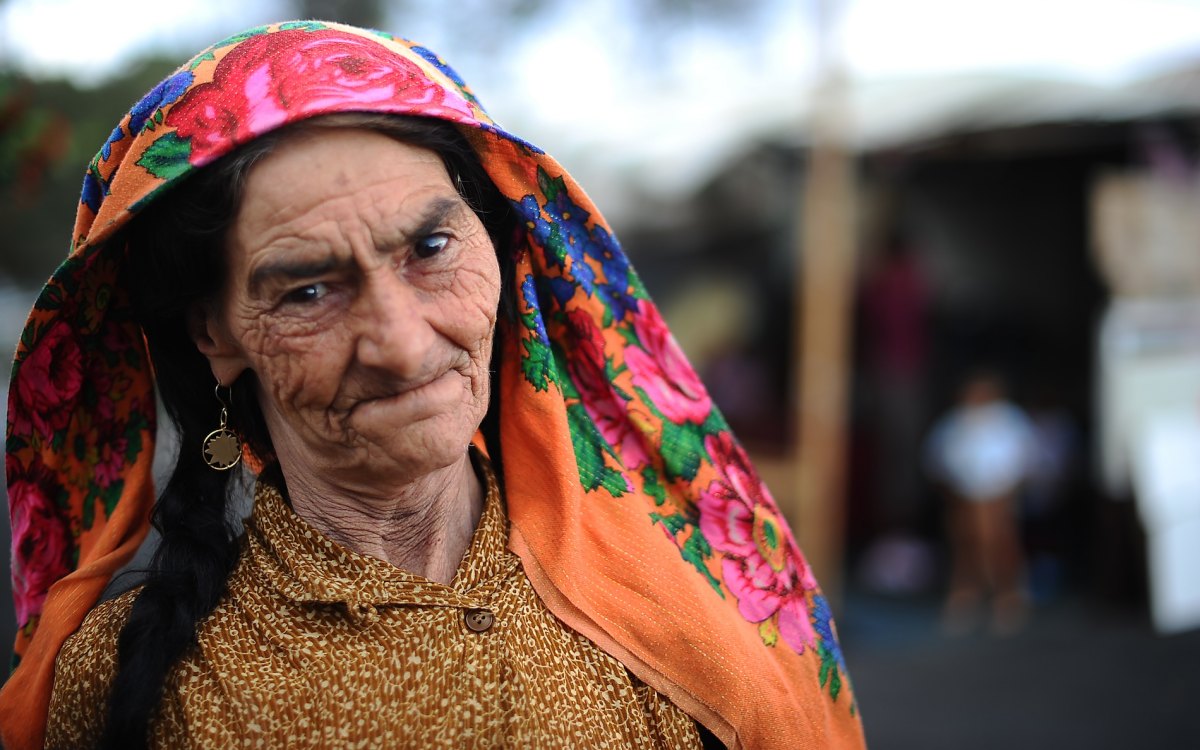
The trend is called nonna-maxxing, and it’s gone viral on TikTok as Gen Z embraces the slower, more intentional lifestyle of an Italian nonna as a path to better health and, potentially, a longer life.
“Think cooking from scratch, long family meals, daily walks, gardening and less screen time,” Erin Palinski-Wade, a New Jersey-based registered dietitian, told Fox News Digital.
Why People Are Obsessed With Italian Grandmothers
Italy is among the countries with the highest life expectancy in the world, and the island of Sardinia is one of the world’s designated Blue Zone regions — areas where people live measurably longer lives and centenarian populations are more common. The lifestyle patterns in those communities have been linked to longevity studies for years.

What nonnamaxxing does is distill those patterns into something shareable: cook from scratch, move your body daily, eat with people you love, put down your phone and do something with your hands.
It’s the opposite of the wellness industry’s complexity — and that simplicity may be the point.
The Mental Health Case for Living Like a Nonna
One of the trend’s biggest draws is its emphasis on real-world social interaction over screen time. Laurie Singer, speaking to Fox News Digital, made the case plainly.
“We know that interacting with others in person, rather than spending time on screens, significantly improves mental health,” she said, adding that social media often fuels comparison and lowers self-esteem.
Singer also highlighted the value of hands-on, task-oriented activities — a core piece of the nonnamaxxing philosophy.
“Nonnamaxxing encourages us to be present around a task, like gardening, baking or knitting, or just taking a mindful walk, that delivers something ‘real,’” she said.
Those activities promote focus and presence while reducing anxiety — engaging with a task rather than avoiding one.
‘Nonnamaxxing’ Is Small Movement With Big Results
You don’t need a gym membership to benefit. According to a 2020 study published in the American Journal of Preventive Medicine, just 15 minutes of brisk walking daily was linked to a reduced risk of premature death.
That’s a nonna pace. A walk to the garden. A stroll after dinner. Movement woven into the rhythm of daily life, not squeezed into a workout window.
The ‘Nonnamaxxing’ Mindset Shift That Ties It All Together
Beyond food and movement, nonnamaxxing also challenges how people think about aging itself. Sonja Lyubomirsky, of UC Riverside, framed the question this way:
“Is it a gift? Is it about wisdom, maturity, and the richness of life, or is it about deterioration and loss?” she said. “Both can be true. But you can choose.”


That choice — to see aging as richness rather than decline — is linked to better outcomes, according to the source research.
Licia Fertz, whose daily routine of dressing up in bright clothing and makeup has made her a symbol of the nonnamaxxing ethos, put it even more simply.
“Never think of yourself as old,” she told SELF. “You are born young.”