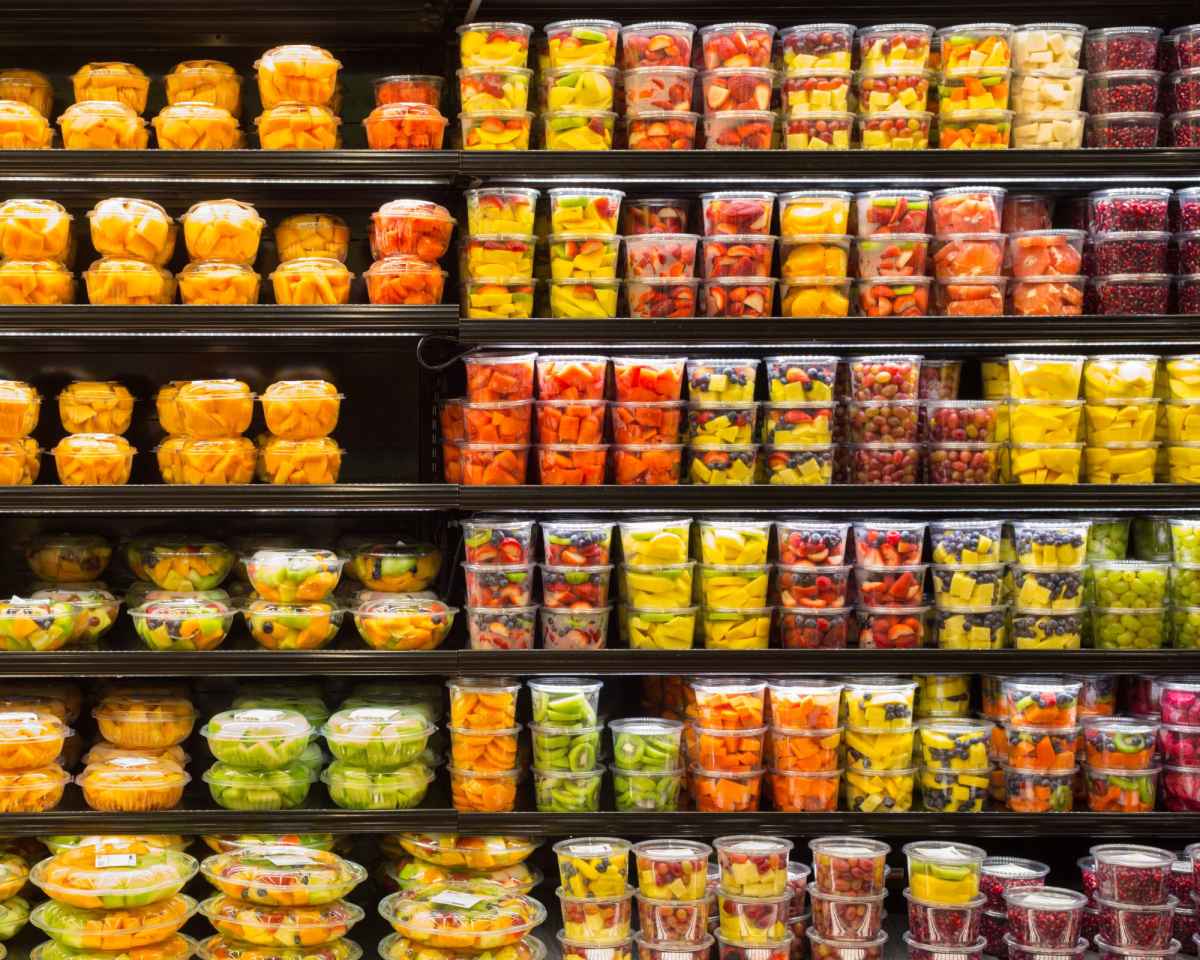

Let’s face it: Nobody has time to dice an entire melon on a Tuesday night. That’s exactly why those grab-and-go containers of cubed fruit and bags of chopped veggies have become such a lifesaver for busy schedules.
But that convenience might come with more strings attached than you’d think.
Once produce is sliced, peeled and packaged by someone else, you’re trusting that every step was handled with care, and food safety experts say that isn’t always a safe bet. Some pre-cut picks are riskier than others, and one summer favorite in particular has them raising an eyebrow.
So before you toss another tub into your cart, it’s worth knowing which items to grab, which to skip and how to keep them fresh once you get home.
Is Pre-Cut Produce Safe to Eat?
Generally, yes, but it calls for a little more caution than whole produce.
The main food safety concern comes down to control. Produce should be washed before it’s cut so the knife doesn’t push dirt and bacteria from the surface into the inside, and when you buy it pre-cut, you have no idea whether that step was done properly.
Cutting also removes the skin or rind that naturally protects produce, leaving the moisture and nutrients inside exposed. According to the Food and Drug Administration (FDA), that creates conditions that can help bacteria grow if any pathogens are present.
Exposed produce also breaks down faster than whole fruits and vegetables, so you have a shorter window to eat it before it spoils.
Why Is Cantaloupe One of the Riskiest Pre-Cut Fruits?
Cantaloupe is tricky to keep safe even when you cut it at home, and it starts with the rind. That bumpy, netted exterior has tiny grooves that hold onto dirt and bacteria, so it’s much tougher to clean than smooth-skinned fruit.
Slicing through the rind can then carry those germs straight into the juicy flesh, where moisture and nutrients help pathogens multiply.
The flesh itself doesn’t help either. Food scientist and registered dietitian Jennifer Pallian told Simply Recipes that cantaloupe’s fairly neutral pH makes it a more hospitable place for bacteria than acidic fruits.
Should You Stop Buying Pre-Cut Cantaloupe?
Not necessarily, but buying the melon whole gives you far more peace of mind.
With a pre-cut container, there’s no telling how thoroughly the rind was cleaned, whether the knife and cutting board were sanitary or how long the fruit sat out before it was refrigerated.
Which Pre-Cut Veggies and Fruits Are Better Bought Whole?
Plenty of produce is worth prepping yourself, and not just for food safety reasons. Whole items often have better texture, last longer, cost less and let you decide when they get cut.
Chef Alexis Brown told MarthaStewart.com she tends to choose whole fruits and vegetables because cutting them herself is often cheaper and keeps her in charge of freshness.
Broccoli stays crisper as a whole head and lets you use the stems, while winter squash holds onto its moisture and lasts much longer uncut. Tomatoes soften faster once exposed to air, avocados brown and break down quickly after cutting and cucumbers can turn mushy or watery thanks to their high water content.
Onions lose flavor and aroma when chopped days ahead, and scallions wilt and lose their bite sooner once sliced. Carrots and bell peppers keep their snap and crunch longer when left whole, and buying a whole pineapple gives you more say over ripeness and freshness.
Are Pre-Washed Salad Greens Safe?
They don’t need to be washed again at home, but they’re still worth watching.
Jessica Brantley-Lopez, M.B.A., R.D.N., told Delish that bagged lettuce and spinach can carry a higher risk because they’re processed in large batches, which raises the odds of cross-contamination.

How Do You Pick Safe Pre-Cut Fruit and Pre-Cut Vegetables?
Give the package a quick inspection before it goes in your cart. Only buy containers that are refrigerated or on ice, and make sure the seal is intact with no damage or leaks.



Pass on anything with extra liquid, slimy pieces, mold or a strong smell, and check the use-by or sell-by date to find the freshest one.
How Should You Store Pre-Cut Produce at Home?
Get it into the fridge right away and keep it away from raw meat, poultry and seafood. Since it won’t last as long as whole produce, plan to eat it sooner.
Good food safety habits don’t end there, either. Knowing which produce needs washing, how to do it the right way and when rinsing could actually introduce new germs can help keep your kitchen safer.