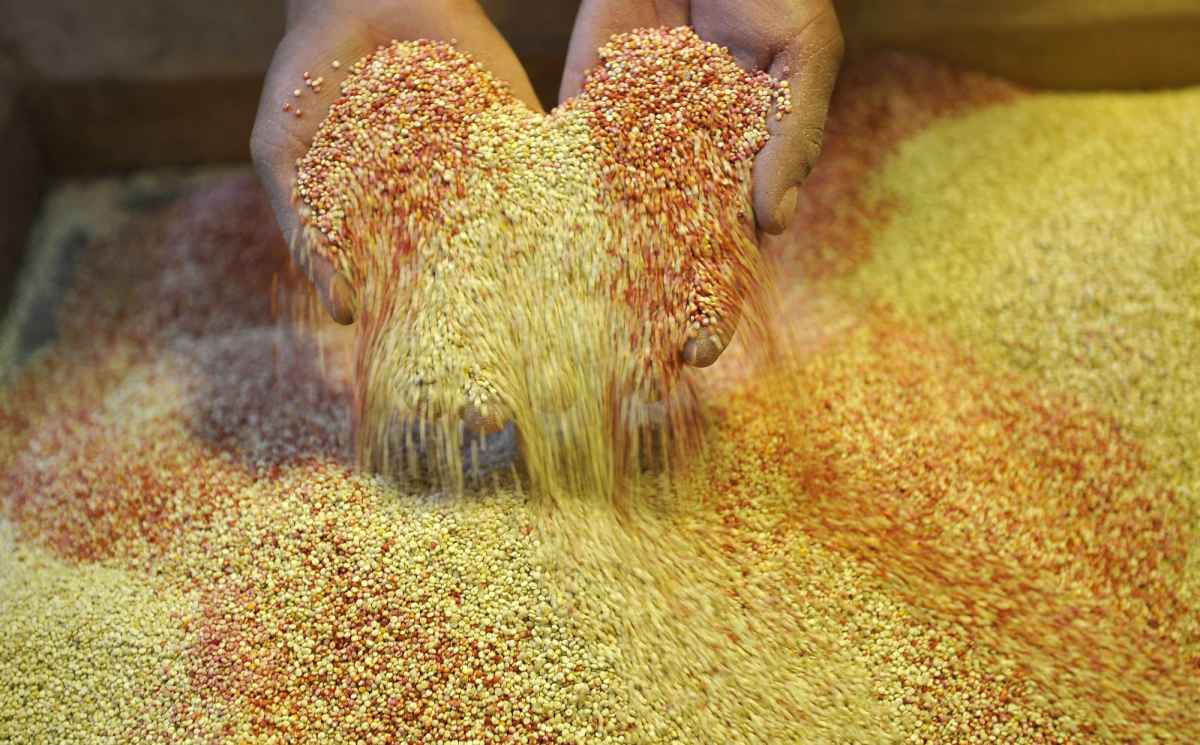


Heritage grains are quietly reshaping the way home cooks think about everyday meals. Once relegated to health-food shelves and specialty bakeries, grains like farro, spelt, einkorn and teff are now turning up in weeknight bowls, breakfast porridges and pantry staples — and they’re easier to work with than most people expect.
The appeal goes beyond novelty. These grains carry deep culinary history, distinct flavors and a kind of textural variety that modern wheat and white rice simply don’t offer. For anyone looking to expand their cooking without overhauling their routine, ancient grains are one of the simplest places to start.
What Ancient Grains Actually Are
Before stocking up, it helps to understand what sets these grains apart from the wheat and rice most kitchens rely on. According to Live Eat Learn, “Ancient grains are a group of grains (or grain-like seeds called pseudocereals). Unlike many modern grains, which have been altered for better growing or hardiness, ancient grains have remained unchanged for thousands of years – they’re ancient!”

That lack of modification is the defining trait. While modern wheat has been bred extensively for yield and durability, heritage grains have stayed close to their original form — which is part of why cooks and bakers keep returning to them.
The category is broader than many people realize, and includes:
- Farro
- Spelt
- Einkorn
- Emmer (also called farro medio)
- Barley
- Rye berries
- Millet
- Sorghum
- Teff
- Amaranth
Some are true cereal grains. Others, like amaranth, are technically pseudocereals — seeds that cook and eat like grains. Either way, they all bring something distinct to the table.
How to Start Cooking With Heritage Grains
The hardest part of working with ancient grains is often just picking the first one. The good news: you don’t need a specialty store or new equipment. Brown Health University recommends easing in slowly, writing: “Start with trying just one new whole grain every few weeks. Quinoa is a great whole grain to start with as it is easy to find in any grocery store. It can be found in the rice aisle. You can cook it on your stove top or in an Instant Pot (pressure cooker). There are even pouches of quinoa that can go directly into the microwave and cook in just a few minutes.”
That gradual approach matters. Each grain has its own cooking time, texture and flavor — farro is chewy and nutty, millet turns fluffy and mild, teff is tiny and earthy — and trying one at a time lets you figure out which ones you actually want to keep buying.
Easy Ways to Use Ancient Grains at Home
Once you’ve cooked a pot of grains, the uses are nearly endless. Most heritage grains slot neatly into the kinds of meals home cooks already make, which is a big part of why they’ve gained traction in everyday kitchens. A few of the simplest applications:
- Grain bowls built with vegetables, a protein and a dressing
- Warm breakfast porridge topped with fruit and nuts
- Hearty soups and stews
- Cold salads tossed with vinaigrette
- A side dish in place of rice or pasta
While ancient grains like farro, millet, and spelt may sound specialized, they’re actually cooked using the same simple techniques as other whole grains. The versatility extends well beyond the stovetop. Niki Achitoff-Gray of Serious Eats explains: “Whole grains can be incorporated into your baking projects, fermented into home-brewed alcohol, popped or puffed into snack food, rolled into flakes for breakfast cereal, and oh-so-much more. But in their most basic state, all dry grains can be simmered in water until tender enough to eat (though just how tender that is will vary by dish and personal preference). If you’ve ever made rice, you get the basic idea.”




That last point is worth holding onto. If you can cook rice, you can cook ancient grains — the technique scales, even if the timing shifts.
Why Heritage Grains Are Worth the Swap
Heritage grains aren’t a trend so much as a return. They predate the modern food system by thousands of years, and they bring texture, flavor and variety that refined staples often lack. Swapping farro for rice in a weeknight bowl, or stirring teff into morning porridge, is a small change that opens up a much wider pantry.
Start with one grain. Cook it the way you’d cook rice. Build from there.