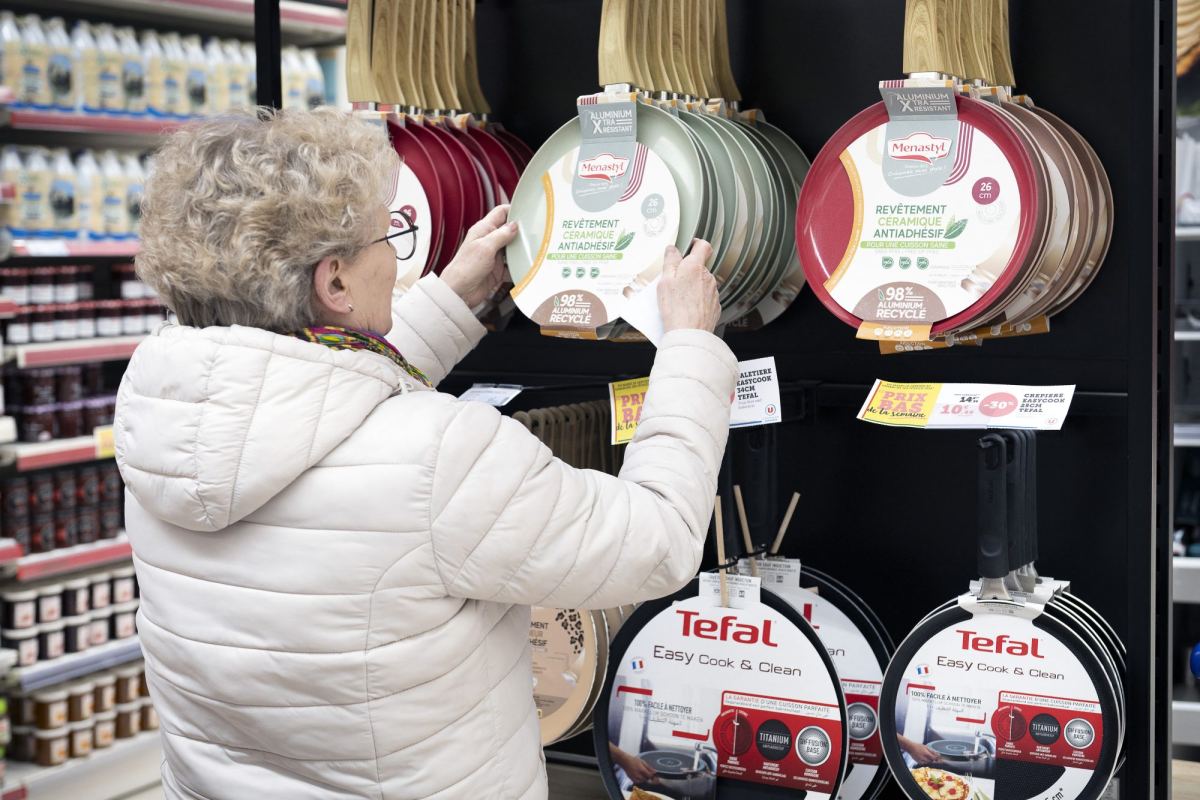


A nonstick pan can feel harmless because it is so familiar. It makes eggs easier, isn’t as hard to clean and makes weeknight meals less stressful. But in homes with children, people with asthma or pets, how that pan is used matters.
The risk is not normal low-heat cooking. The danger starts when nonstick cookware gets too hot and releases fumes linked to “Teflon flu.” For pet owners, the stakes are higher because birds are especially vulnerable to overheated nonstick coatings.
Teflon flu can be avoided entirely by stocking your kitchen with non-toxic, nonstick cookware.
What Is Teflon Flu?
“Teflon flu” is the common name for polymer fume fever, an illness caused by inhaling fumes from overheated nonstick cookware.
The coating involved is polytetrafluoroethylene, or PTFE, which is sold under the brand name Teflon. PTFE creates the slick surface on many nonstick pans. It is generally considered safe under normal use, but it can break down and release fumes when overheated.

The National Capital Poison Center reported several hundred suspected cases to U.S. poison centers in 2023. According to ABC News, that was the highest number since 2000, with more than 3,600 suspected cases reported over the past two decades.
Experts believe Teflon flu is underreported because symptoms can show up hours later and may be mistaken for a cold, flu or respiratory infection.
Why Children and Pets Need Extra Caution
Teflon flu can affect healthy adults, but parents and pet owners have more to consider.
Children have developing lungs, and airway irritation can be more concerning if a child already has asthma, allergies or another breathing issue. Adults with asthma or chronic lung disease may also be more likely to develop serious respiratory symptoms.
Birds are particularly sensitive to PTFE fumes and should be kept out of the kitchen when nonstick cookware is being used. If a pan overheats, move pets away from the area immediately.
Teflon Flu Symptoms Aren’t Always Immediate
Teflon flu symptoms usually begin within 12 to 24 hours after exposure.
Common Teflon flu symptoms include fever, chills, fatigue, headaches, body aches, chest tightness, coughing, shortness of breath and airway irritation.
Most cases resolve on their own within one to three days. Severe symptoms are possible after extreme overheating, prolonged exposure or exposure in a poorly ventilated kitchen.
Dr. Darien Sutton, an emergency medicine physician, told Good Morning America that people should be careful with PFAS-containing products, including PTFE.
“We don’t yet know the long-term effects, but we do know that these chemicals, these PFAS, are associated with health conditions like thyroid abnormalities, certain cancers, like kidney cancer, as well as certain problems with infertility,” Sutton said.
The Nonstick Pan Habits Most Likely to Cause Trouble
Teflon flu is usually tied to heat, damage or poor airflow. PTFE coatings begin breaking down at temperatures above 500 degrees Fahrenheit.
Preheating an empty nonstick pan on high heat is one of the riskiest habits because there is no food, oil or butter to absorb heat. Other risk factors include broiling with nonstick cookware, cooking on high heat, using scratched pans and cooking without ventilation. Chipped, peeling or heavily scratched pans should be replaced.
Sisavath Keovilay, PhD, of the Keiser University Center told the American Society of Registered Nurses, “It’s always good practice to use a vent hood system due to the smoke point of food and the chemicals used to cook the food.”
How to Make Nonstick Cookware Safer at Home
Treat nonstick cookware as a low- and medium-heat tool, not an all-purpose pan.
Never preheat an empty nonstick pan. Add butter, oil or food before turning on the burner. Keep temperatures low to medium and aim to stay at or below 450 degrees Fahrenheit. Avoid broiling, high-heat searing or any method that pushes the pan close to the PTFE breakdown point.
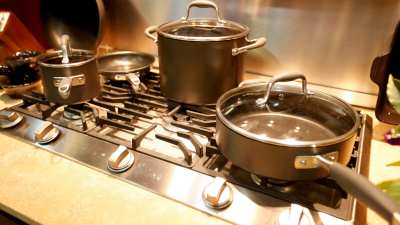
Protect the coating by using wooden, plastic or silicone utensils instead of metal. Clean with mild detergent and a soft sponge rather than abrasive scrubbers. Inspect pans for scratches, chips or peeling, and replace damaged cookware immediately.
Replace nonstick pans every three to five years, or sooner if the surface looks worn. Open a window, turn on the exhaust fan and keep pets, especially birds, away from the kitchen while cooking.
What to Do If a Nonstick Pan Overheats
If you think a nonstick pan has overheated, turn off the heat immediately. Open windows, turn on exhaust fans and move children, adults and pets out of the kitchen.
Monitor for symptoms over the next day. Mild symptoms may improve with rest, fluids and over-the-counter pain relievers. Seek medical attention if symptoms are severe, last longer than expected or involve breathing problems. People with asthma may benefit from a breathing treatment.
If this happens frequently, consider investing in non-toxic, nonstick cookware instead.



Are PFAS in Nonstick Cookware Regulated?
Some PFAS, also called “forever chemicals,” have already been phased out in the United States. That includes PFOA, which was once involved in making Teflon. But PTFE is still widely used in nonstick cookware.
According to USA Today, Minnesota, Maine, Connecticut, Rhode Island and Colorado have passed legislation to ban PFAS in cookware. In states without those bans, safe use still matters.
The best Teflon pans are not just new. They are pans used gently, kept below high heat, ventilated properly and replaced before the coating breaks down.