
Chicken has become the default answer for anyone chasing a higher-protein plate, but it isn’t the only way or even always the best way to hit daily targets. Whether you’re bored of the same grilled breast, cutting back on poultry or building a plant-forward routine, there’s a wide menu of protein sources that can carry the same nutritional weight. From lean turkey and oily fish to lentils, tofu and quinoa, the alternatives stack up in real, measurable grams.
Here’s a closer look at the foods that can stand in for chicken, how much protein they actually deliver and where each one fits into a balanced diet.
Other Meats That Match Chicken’s Protein Power
Turkey is the closest cousin to chicken on the nutrition label, and it’s a straightforward swap in almost any recipe. According to Marie Lorraine Johnson with Healthline, “Turkey is a low fat source of protein. The breast is the leanest part of the bird. Each 3 ounces (85 grams) serving of roasted, skinless turkey breast contains about 26 grams of protein and 125 calories. Turkey is also high in niacin, vitamin B6, and selenium. It’s likewise a good source of phosphorus and zinc.”
That combination of lean protein plus B vitamins and trace minerals makes turkey a workhorse for meal prep, sandwiches and weeknight dinners.
Eggs and Dairy as Everyday Protein Staples
Eggs are one of the most efficient protein sources in the kitchen cheap, versatile and nutritionally complete. Johnson writes that, “Like most other animal foods, eggs have high quality protein that contains all the amino acids. Most of the vitamins, minerals, and antioxidants in eggs are found in the yolk. However, egg whites contain most of the protein found in an egg. A one cup (243 grams) serving of egg whites offers 27 grams of protein and only about 126 calories.”

Whole eggs deliver the fuller nutrient profile, while egg whites are the go-to when you want maximum protein with minimal calories. Either way, they’re a low-lift addition to breakfast, salads or post-workout meals.
Seafood Options That Rival a Chicken Breast
Fish and shellfish can more than hold their own against poultry, and many varieties pack a similar or higher protein punch per serving. They also bring omega-3 fatty acids, iodine and vitamin D to the table nutrients that chicken doesn’t offer in the same amounts.
A quick look at how the numbers compare
- Tuna (yellowfin, cooked, 3 ounces) 25 grams protein
- Octopus (three ounces) 25 grams protein
- Halibut (three ounces) 23 grams protein
- Sardines (one can, about 3.75 ounces) 22 to 23 grams protein
- Salmon (three ounces) 22 grams protein
Canned options like tuna and sardines are especially convenient for lunches and quick meals when cooking isn’t in the cards.
Plant-Based Proteins That Go Beyond the Salad Bowl
Plant-based foods have moved well past the “side dish” label, and several options can genuinely replace chicken as the main protein on your plate. Tofu is one of the most flexible, taking on the flavor of whatever it’s cooked with.
According to Daryl Austin with USA Today, “Likely tofu’s biggest nutritional draw is its protein content. Depending on the brand and firmness level, a typical three-ounce (85 gram) serving of firm tofu contains roughly eight to 12 grams of protein, according to the U.S. Department of Agriculture. That means a half-cup serving can provide around 15 to 20 grams, making tofu a meaningful contributor toward daily protein needs.”
Other plant-based options worth rotating in
- Tempeh
- Edamame
- Lentils
- Chickpeas
- Black beans
- Kidney beans
- Split peas
Legumes also bring fiber to the mix, which chicken doesn’t offer at all an added bonus for digestion and blood sugar control.
Nuts With Serious Protein Credentials
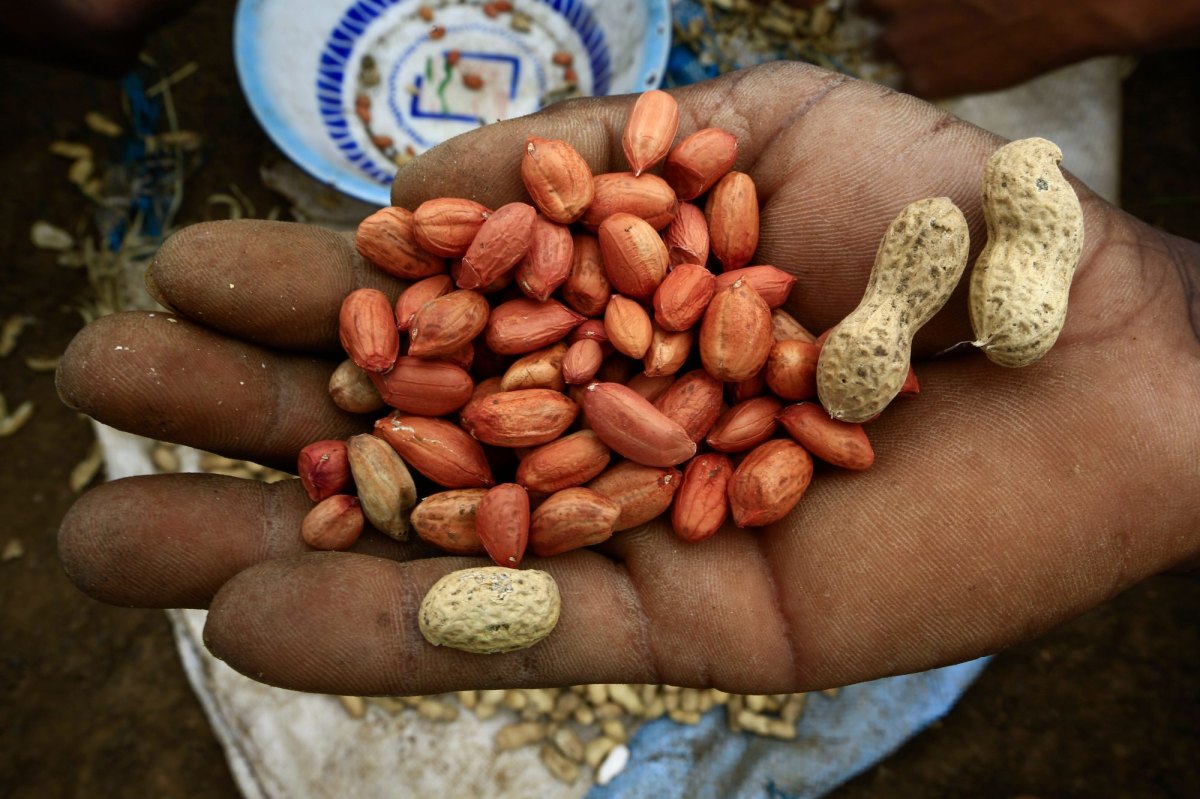
Nuts and seeds are often shelved as snacks, but their protein contributions add up quickly when they’re worked into meals. Peanuts lead the pack.
According to Lindsey DeSoto, RD, with Health, “Peanuts top the list when it comes to protein. One ounce about a small handful or 28 peanuts provides 7.31 grams of protein. While technically a legume, peanuts are commonly grouped with nuts because of their similar nutrition profile and culinary uses.”
Almonds, pistachios, cashews, walnuts, brazil nuts and pine nuts round out the category. They won’t replace a full chicken breast on their own, but sprinkled on grain bowls, blended into sauces or grabbed as a snack, they meaningfully boost the day’s total.
Whole Grains That Pull Their Weight
Grains aren’t usually the first place people look for protein, but a few standouts do more than just fill space on the plate. Quinoa is the clearest example.
According to the British Heart Foundation, “Quinoa is cooked and eaten like a grain, but is actually a seed of a green vegetable related to chard and spinach. It is a good protein food, but it’s not the amount that is impressive, it’s the type. Unlike cereals, quinoa has all of the essential amino acids you find in animal protein. It is an easy substitute for rice and pasta. Five tablespoons (185 grams) of cooked quinoa contains 8 grams of protein.”



Farro, buckwheat and oats also deliver respectable protein amounts alongside fiber and complex carbs, making them useful bases for bowls, breakfasts and side dishes.

Not every meal can be cooked from scratch, and the packaged aisle has caught up to the protein trend. Ready-to-drink protein shakes and protein bars can fill gaps between meals, and higher-protein pasta made from chickpeas, lentils or edamame turns a standard weeknight dinner into a protein-forward one.
These aren’t meant to replace whole foods, but they’re a practical backup when time is short and you still need to hit your numbers.