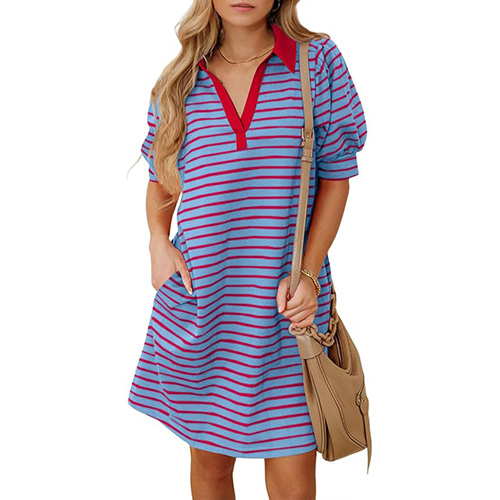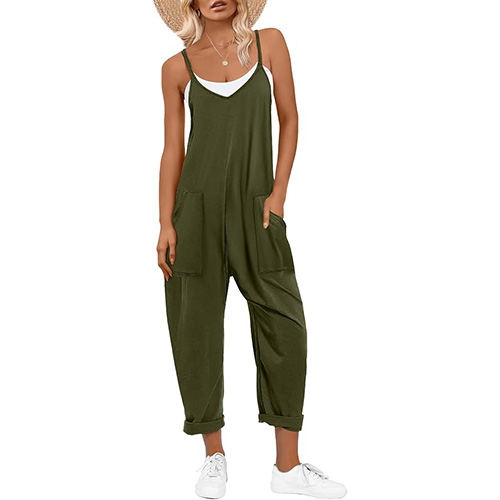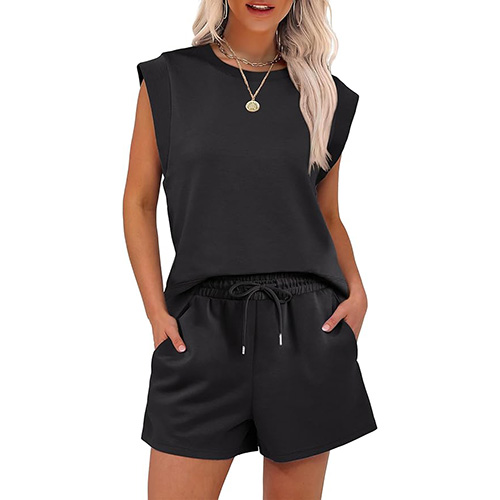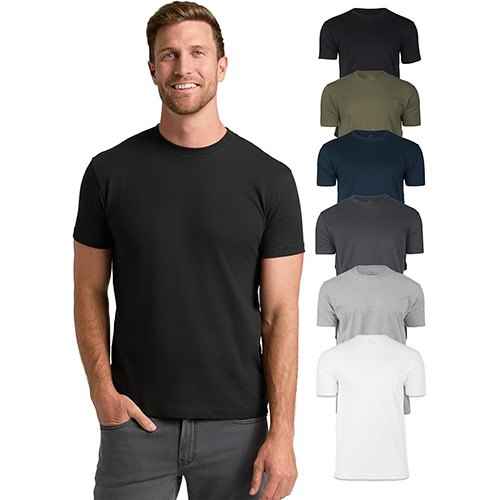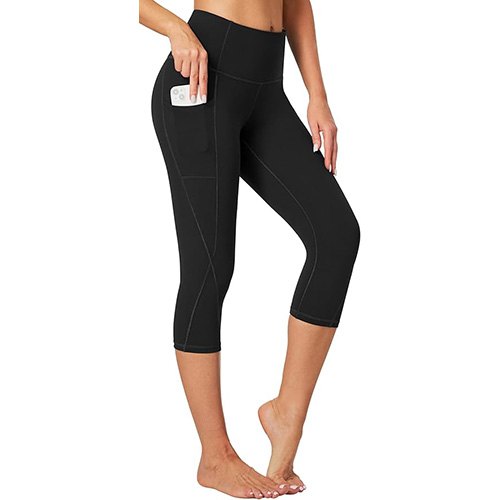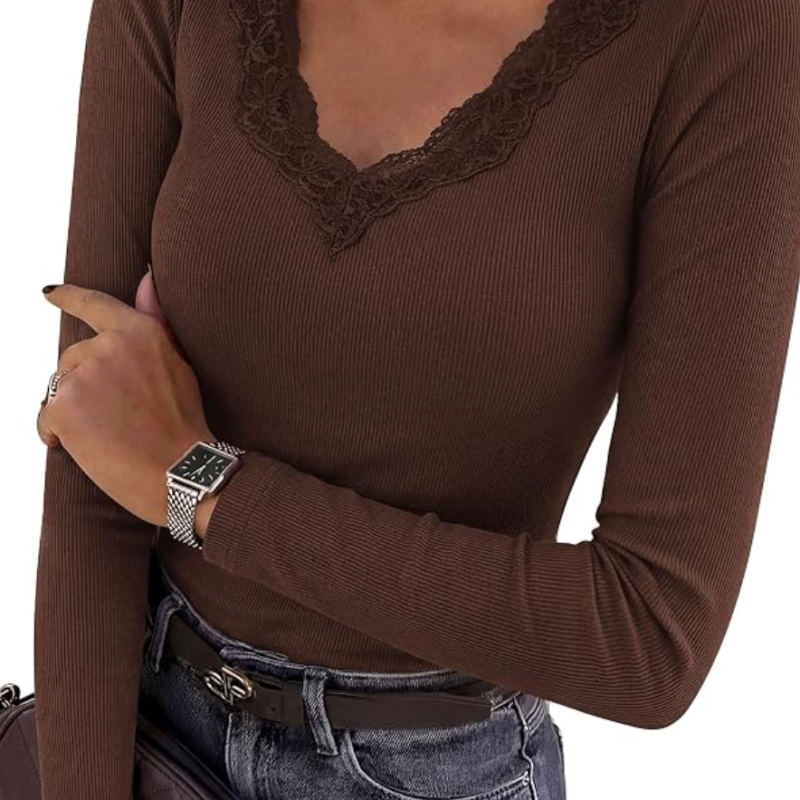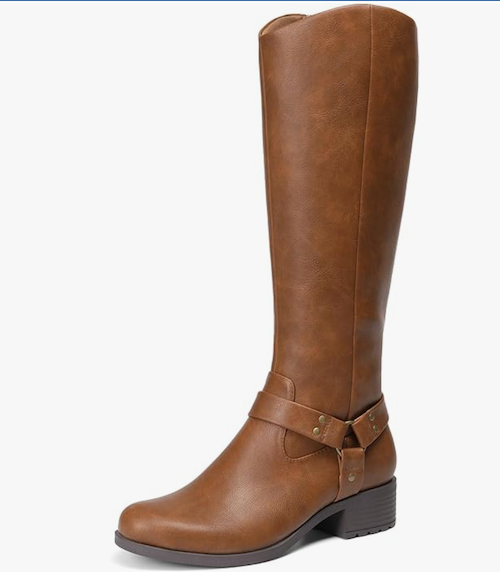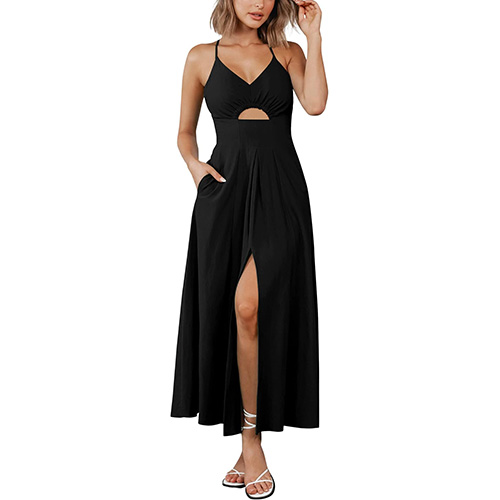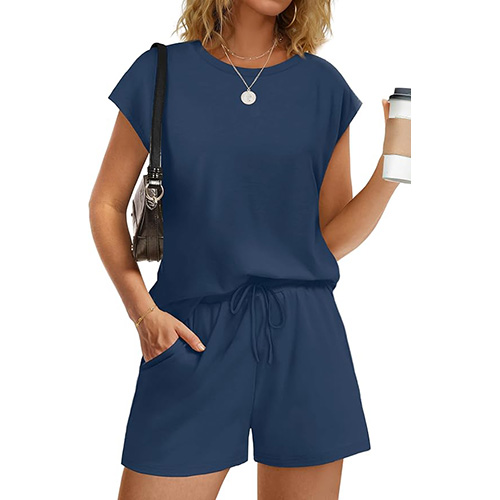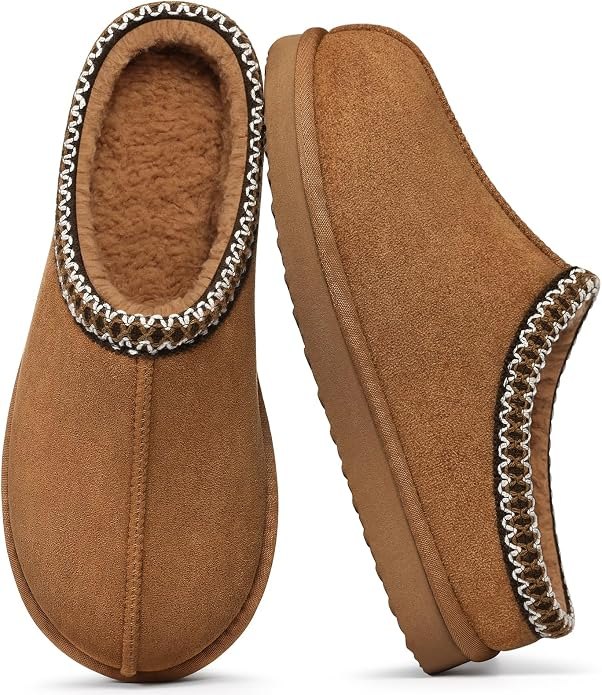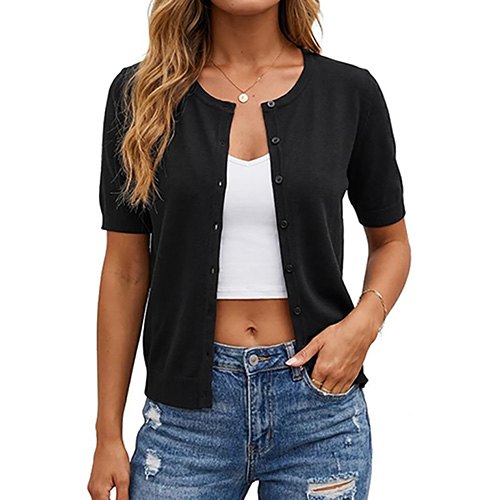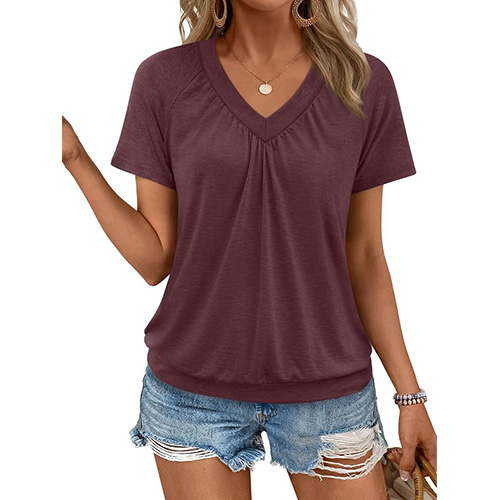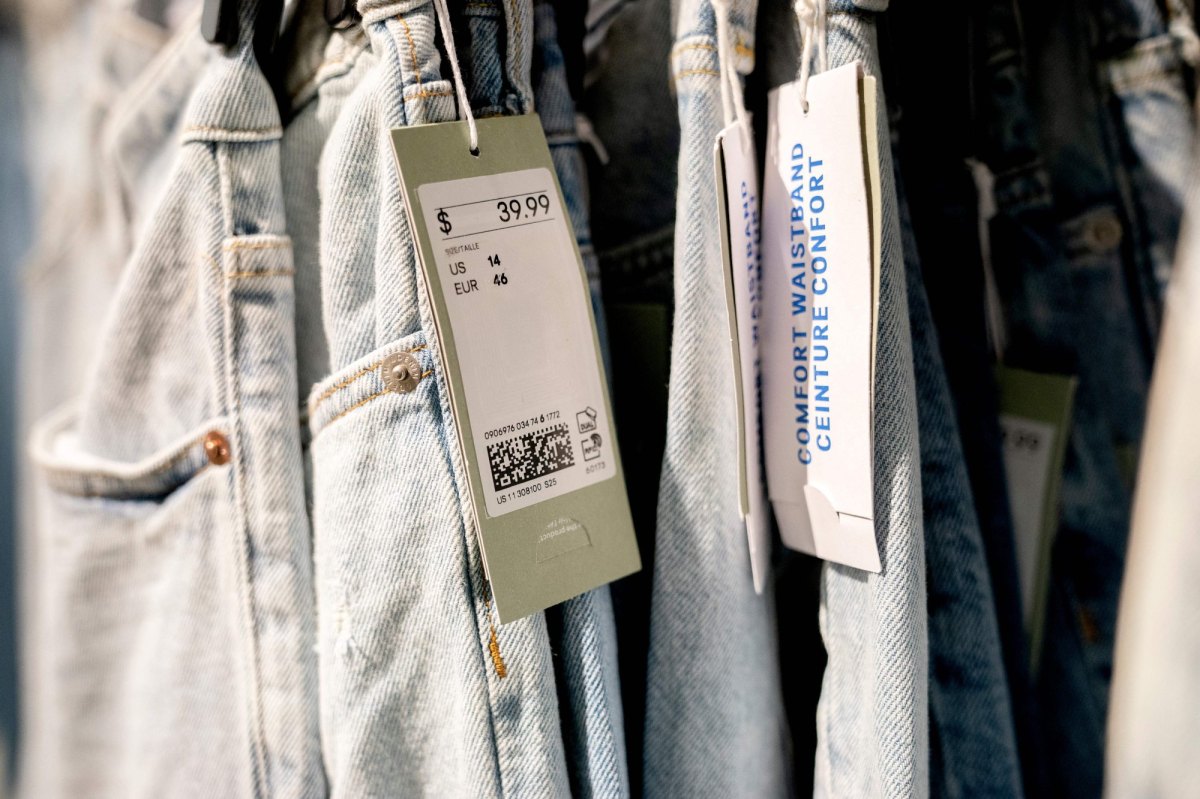
You know the feeling. A top catches your eye, the price is low enough that it barely registers as a decision, and you buy it. Two wears later it is at the back of a drawer.
Meanwhile the jacket you splurged on three years ago is still in heavy rotation. Cost per wear is the small piece of math that explains the gap, and it has quietly changed how a lot of people decide what is worth buying.
If you have been hearing the term and wondering how it works, here are the answers to the questions shoppers ask most before their next clothes shopping trip.
What Is Cost Per Wear?
Cost per wear is the price of a garment divided by the number of times you wear it. Rather than judging clothing by its price tag, it tells you what each wear actually costs. Think of it as unit pricing for your closet, the same way a supermarket lists a price per ounce so you can compare sizes fairly.

How Do You Calculate Cost Per Wear?
Divide the total price by the number of wears (cost per wear = total price ÷ number of wears).
Use what you actually paid, including tax, shipping and alterations, then estimate honestly how often you will wear the item and for how long. A pair of sneakers worn three times a week for two years is about 300 wears. No app or cost per wear calculator is required, just one line of arithmetic.
What Is a Good Cost Per Wear?
The lower the number the better, and the gap between items can be dramatic. A $25 trendy top worn five times costs $5 each wear. Everyday jeans at $80 worn 200 times cost just $0.40. An occasional dress at $150 worn three times costs a painful $50 every time you put it on. A well-made $220 coat worn across five winters, about 125 wears, beats a $60 coat that lasts one.
Why Does Cost Per Wear Matter in 2026?
Because clothes keep getting more expensive. Entry-level apparel prices rose $17 in a single year, according to the AlixPartners 2025 Consumer Sentiment Index, with tariffs and inflation pushing 2026 fashion trends higher still. When prices climb, the question shifts from what something costs today to what it will cost you per wear over its whole life.
Why Is Cost Per Wear All Over Social Media?
The idea is not new, but rising prices and fast-fashion fatigue have pushed it mainstream. Shoppers now film themselves running the numbers on their closets, tallying the cost per wear of each piece to show which ones earn their keep and which are dead weight.
Does Cost Per Wear Work for Trendy Pieces?
Usually not in their favor. Trend pieces tend to be worn a handful of times before they date, which keeps their cost per wear high. Stylist Leah Van Loon told the New York Post: “Trends tend to be very specific and difficult to incorporate into many outfits. A quality, timeless item will always offer a better CPW than a trendy fast-fashion piece that falls apart or goes out of style.”

How Does Cost Per Wear Help You Save Money?
It exposes which purchases are actually expensive. It is one of the clearest lessons in how to save money on clothes: durable pieces you wear often drop to pennies per wear, while cheap impulse buys cost the most each time. Dr. Lisa Eckmann of the University of Bath wrote in The Conversation that cost per wear “can prompt shoppers at the point of purchase to consider a garment’s durability and how often they might wear it. And ideally, it would motivate them to ditch fast fashion and choose greener options – even if just to save money in the long run.”
Is Cost Per Wear Better for the Environment?
Often, yes. The longest-lasting option is usually the greener one, so buying for a low cost per wear tends to cut waste at the same time. Garment-waste expert Elizabeth Cline told Green America: “We need to be working to extend the life clothing, especially in the United States. We have the most disposable clothing habits in the world, we wear clothes a quarter of the global average, and some consumers wear them as little as one time, like Instagram influencers.”
How Do You Lower Your Cost Per Wear?
Wear things more and keep them longer. Buy versatile pieces that work across settings, choose quality construction that survives more wears, stick to a cohesive color palette and favor classic cuts over micro-trends. Care for what you own by washing cold and air-drying, repair instead of replacing and wait out the impulse before buying. The cheapest wear of all is the one you already paid for, so shop your own closet first.