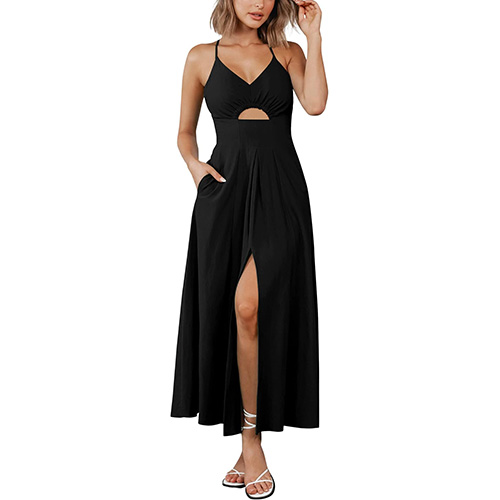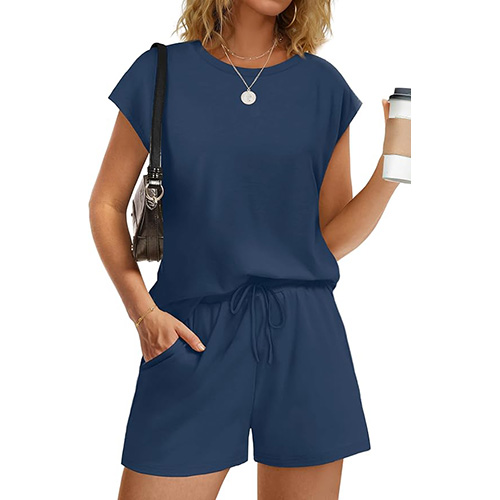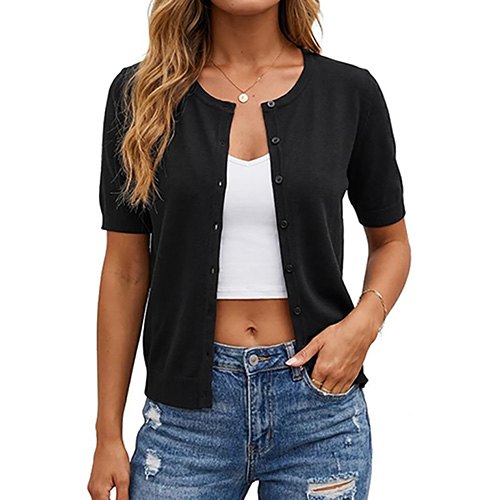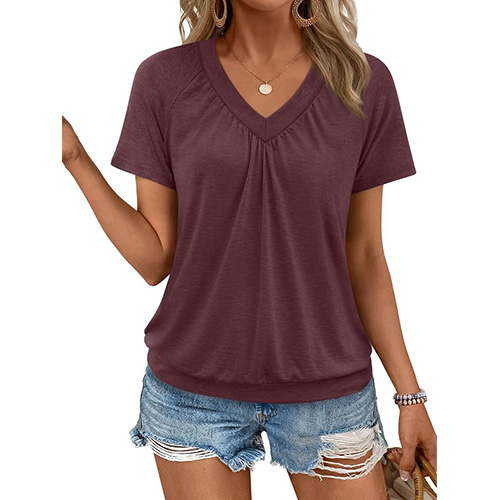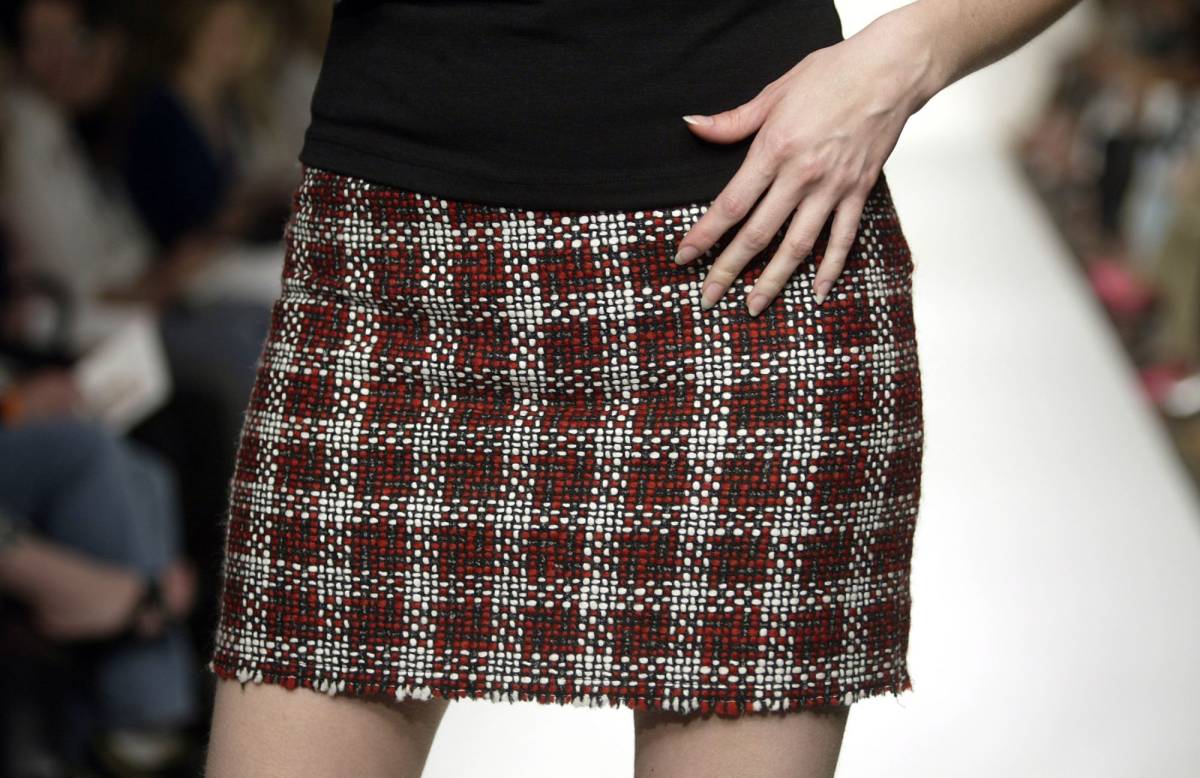


In the 1985 film Girls Just Want to Have Fun, there is a scene where Lynne (Helen Hunt) asks Janey (Sarah Jessica Parker) to shield her on the bus so she can flip her Catholic school skirt into a sequined miniskirt. Forty years later that quick change is back in style.
Reversible clothing is making a comeback, and this time it is more intentional. It sits at the intersection of four things shoppers care about today: capsule wardrobes, cost per wear, packing light and responsible fashion.
The shift is partly a reaction to fast fashion fatigue.
“I think people are starting to shop more like they would have decades ago, looking for things that actually last and have durability,” Amelia Turnbull, founder of Melia Ann, told Forbes. “Fast fashion has burnt a lot of people out and now there’s this real appreciation for quality and finding your own personal style.”
Her Queensland brand launched in 2025 and has already sold out of a variety of reversible skirts, shorts, jackets and tops.
Part of the appeal is how much a single garment can do. One reversible top can replace several, which makes it an easy building block for a capsule wardrobe, the small mix-and-match collection built on owning fewer better pieces.
“Versatility means garments can be styled and worn in multiple ways. When one piece serves many purposes, it reduces the need to buy more,” designer Ashita Fernandes, whose Awakened Grace collection boasts an array of reversible styles, told Indulge Express.
That versatility changes the math too. Cost per wear divides what you paid by how many times you wear it. A $50 shirt worn 100 times costs $0.50 a wear, while a $10 shirt worn five times costs $2.
Since reversible and convertible clothing is designed to be worn more often, a higher upfront price tends to pay off over time.
“For the customer, it really comes down to getting more out of what they spend,” Turnbull told Forbes. “People start to shop differently once they own something like this. They become more intentional about what they buy.”
Reversible Clothing’s Impact on Sustainable Fashion Trends
The environmental stakes give the trend extra weight. The fashion industry is the second-biggest consumer of water and is responsible for up to 8% of global carbon emissions and millions of tons of textile waste, according to the Geneva Environment Network.
For some shoppers, sustainable clothing is the whole reason to switch.
“I used to shop a lot of fast fashion,” Elli Vermey, founder of Reverse Her, said on Instagram. “I did this until I found out what really goes on behind those cheap prices. The fashion waste is one thing, but the unethical standards is the biggest thing for me. Honestly, it gave me the ick towards so many brands.”
Reversible clothing solves a more practical problem as well: space. For frequent flyers it cuts down how much they pack without cutting down on outfit options.
“Every traveler knows that you want to pack light but still have versatility in your clothing,” frequent traveler Tyler Ferbrache said on Instagram. “I want something that I can sling into the washing machine when I’m traveling, I can wear it multiple ways if I want to, it’ll keep my bag light and my outfits versatile.”



For now the comeback looks less like nostalgia and more like a bet on getting more out of less.
“I would love to challenge and push the boundaries of reversible fashion, to see how we can test different textiles and implement new, resizable designs,” Turnbull said. “I think we can create pieces that are on rotation year-round, not just a trendy design.”
Whether the goal is a leaner capsule wardrobe, a lighter suitcase or a smaller footprint, one piece is doing the work of many. And for those who want to lower their cost per wear, reversible clothing might be the answer.