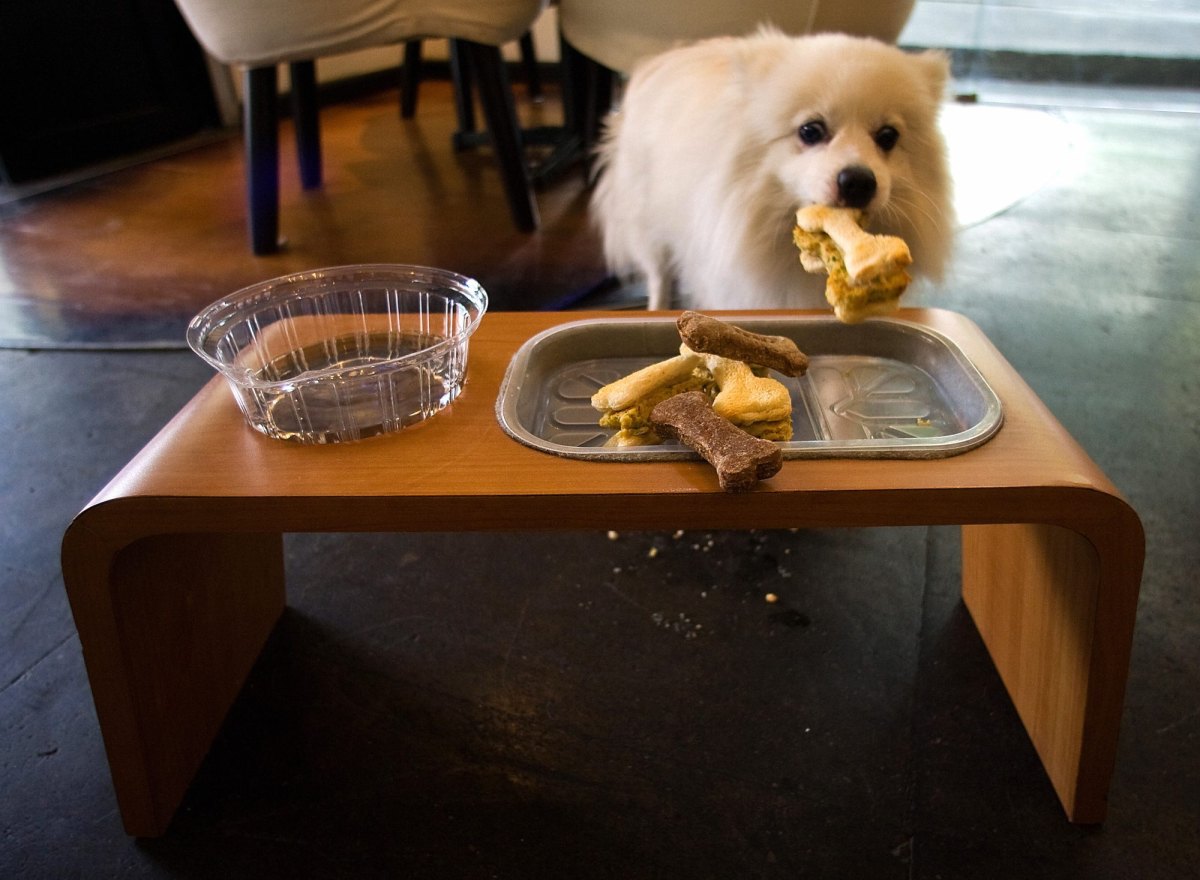


Your pet’s food and water setup doesn’t have to be an eyesore. A built-in pet feeding station gives your animals a dedicated place to eat that’s organized, easy to maintain and designed to match the rest of your home.
You’ve probably already seen them. On a 2023 episode of Celebrity IOU, the Property Brothers installed a marble feeding nook into a kitchen island for actress Emma Roberts’ honorary aunt, complete with dual bowls and a pot filler faucet.
That’s the aspirational end. But there’s a version of this for every budget and every home. Here’s what to know before you commit.
What a Pet Feeding Station Actually Does for Your Home
It’s not just about looks. A pet feeding station keeps bowls, food and accessories contained in one spot instead of scattered across the floor.

Splashes and crumbs stay confined to a single surface you can wipe down in seconds. Pot fillers or auto-fill features take the hassle out of refilling water. And because the station is built into or designed to complement your existing space, it doesn’t feel like an afterthought.
The real selling point is flexibility. You can go as simple or as elaborate as your home and your pets need.
How Much a Pet Feeding Station Costs at Every Level
Here’s what to expect at each price point:
- $20 to $30: Elevated stands. The most affordable option is an elevated pet feeding station. Simple raised platforms or metal frames that lift bowls off the ground. They’re functional but basic.
- $40 to $80: Elevated with storage. A model like this PawHut stand includes a storage drawer and a cleaner design that fits in with your furniture. Worth it if aesthetics matter to you.
- $100 to $300: Freestanding furniture stations. A pet feeding station with storage at this range gives you cabinets, pull-out drawers and room for bags of food and treats. Budget options exist below $100 but tend to feel flimsy and hold less. A unit like this PawHut pantry (around $190) hits the sweet spot between price and durability.
- $500 to $1,000+: Custom built-ins. A custom build integrates directly into your cabinetry, island or walls. This is where you get features like pot filler faucets, auto-fill water bowls and materials that match your countertops. It’s a renovation project, not a purchase.
The right budget depends on how permanent you want the setup to be. A freestanding unit is easy to move if your layout changes. A custom build is forever.
Best Places to Put a Pet Feeding Station
The right location depends on your layout, your pet’s routine and how much mess you’re willing to see. Here are the most common spots:
- Kitchen cabinet or island. The most popular choice. Tuck bowls into a lower cabinet or build a nook into the base of an island to keep your pet nearby during meal prep.
- Walk-in pantry. Keeps food, bowls and supplies all in one room. Easy access to stored kibble without cluttering the kitchen.
- Laundry room or mudroom. Lower-traffic areas that contain mess. A mudroom works especially well alongside leash hooks and gear for a complete pet zone.
- Under the stairs, garage or outdoors. Good options if you want feeding completely out of sight. Garages are easy to clean. Outdoor stations work for pets that spend most of their time outside, ideally with weather-resistant materials and drainage.
Start with where your pet already eats. If that spot works logistically, build around it rather than forcing a new routine.
8 Pet Feeding Station Design Features That Are Worth It
Not every feature is a gimmick. These are the ones that make a daily difference.
- Pull-out drawers that hide bowls when they’re not in use.
- Pot fillers mounted above the station for quick water refills without carrying a bowl to the sink.
- Elevation that brings bowls to a comfortable height, reducing neck and joint strain.
- Waterproof countertops like quartz or marble that resist stains and spills.
- Tiled backsplashes that protect the wall from splatters and add a decorative element.
- Pet-centric decor like engraved nameplates, paw-print tiles or custom artwork.
- Stainless steel bowls that resist bacteria and are easier to sanitize than plastic or ceramic.
- Removable bowl inserts that hold dishes in place but pop out for cleaning.
You don’t need all eight. Focus on the two or three that solve your biggest daily frustrations and build from there.
How to Store Pet Food in a Built-In Pet Feeding Station Safely
This is where convenience can backfire if you’re not careful.



Most people with built-in storage dump kibble straight into the bin or drawer. It seems logical, but it actually causes food to spoil faster.
The FDA says pet food and treats should stay in their original packaging. If you use a separate container, put the entire bag inside rather than pouring the food loose. The original bag is designed to keep the food fresh and uncontaminated.
A built-in pet feeding station should make your life easier. Just make sure the shortcuts you take don’t compromise what your pet is actually eating.