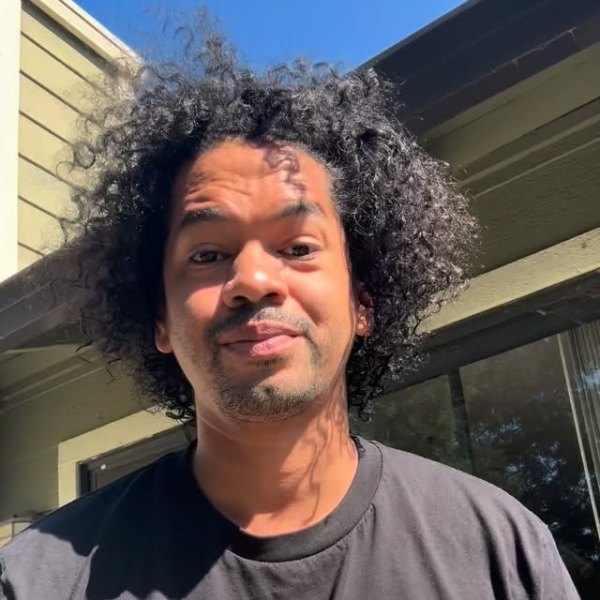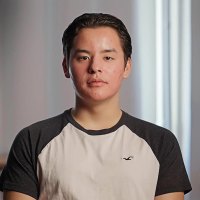

Collin Gosselin was 12 the last time he saw his mother. He’d been a patient at Fairmount Behavioral Health System, a psychiatric hospital, for more than a year when she visited him. By that point, their relationship was severely strained. According to Collin, Kate Gosselin had been physically and emotionally abusive to him for as long as he could remember, abuse he claims intensified when he rebelled against filming the family’s wildly popular TLC series Jon & Kate Plus 8.
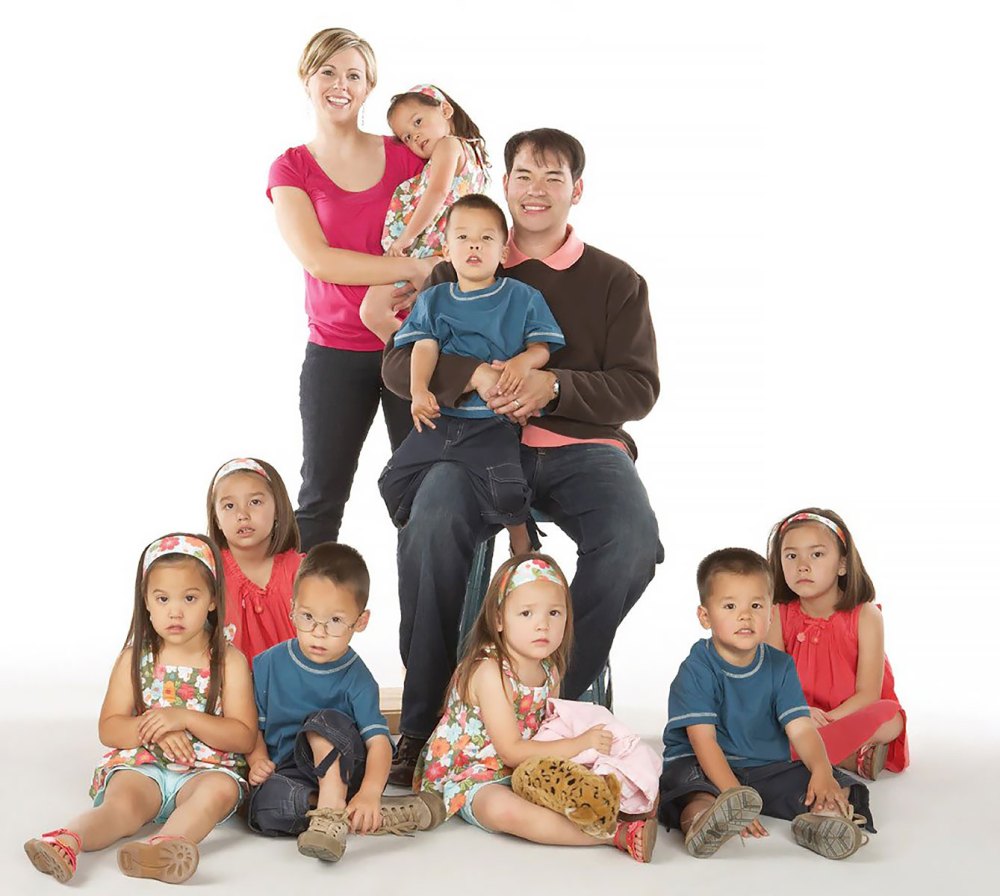
The reality show, which debuted in 2007, followed Kate and her then-husband, Jon Gosselin, as they navigated life raising twins (Mady and Cara, now 26) and sextuplets (Collin, Hannah, Leah, Alexis, Joel and Aaden, now 22). “She [stayed] for about 20 minutes,” Collin recalls of Kate’s Fairmount visit. He says he sobbed as his mother spent most of the visit ‘drilling into’ him about how much happier everyone was without him. “Our conversation consisted of [her saying], ‘Collin, you destroyed our family,’” he tells Us. “I was devastated.”
Collin says he was put on a cocktail of more than 13 medications at Fairmount until he was removed by Jon in 2018. (Jon and Kate divorced in 2009; the 49-year-old DJ has claimed Collin was sent away without his knowledge or consent and learned where his son was after Collin’s former roommate helped deliver a letter to him.) Since then, Kate, 51, and Collin have shared opposing narratives in the press.
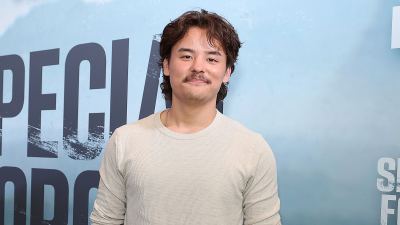
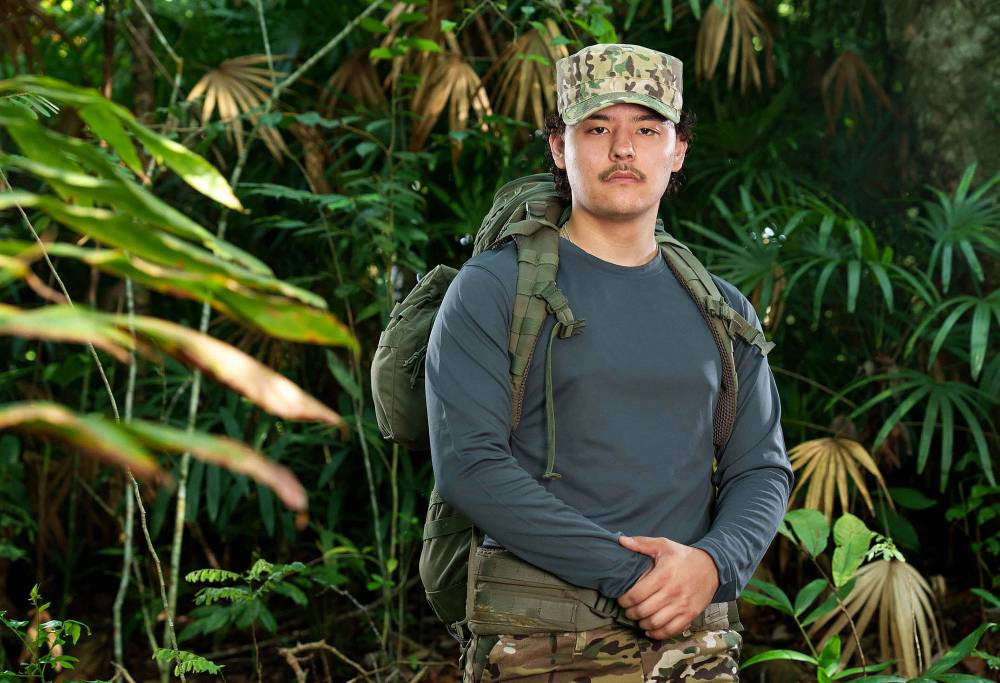
In a 2023 episode of Vice TV’s Dark Side of the 2000s, Collin said he was institutionalized after he began telling people about Kate’s alleged abuse. In response, Kate released a statement via Instagram saying Collin had “received multiple psychiatric diagnoses over the years” and was “placed in a facility… for the safety of myself, his brothers and sisters and for his own well-being.” In a 2024 interview with The Sun, Collin claimed Kate had zip-tied his hands and feet and locked him in their basement. Collin — who stars on the current season of Fox’s Special Forces: World’s Toughest Test and hopes to become a Marine when he graduates college — remains on good terms with Jon and his sister Hannah, but hasn’t seen his other siblings in eight years.
Now, Collin is telling his full story in his new memoir, In the Shadow of Eight: Surviving the Reality of My Childhood (out now). In it, he recalls growing up amid invasive TV cameras, violence (he says Kate spanked him with a serving spoon and smacked him in the face, leaving him with a purple bruise) and isolation, writing that he was separated from his siblings and forced to eat, sleep and spend his days alone. (Kate’s attorney Richard Puleo previously disputed Collin’s allegations, telling The Sun he didn’t believe she “did anything intentionally to harm Collin” and that “she did what she did to protect herself and her family” from Collin’s “troubled behavior.”)
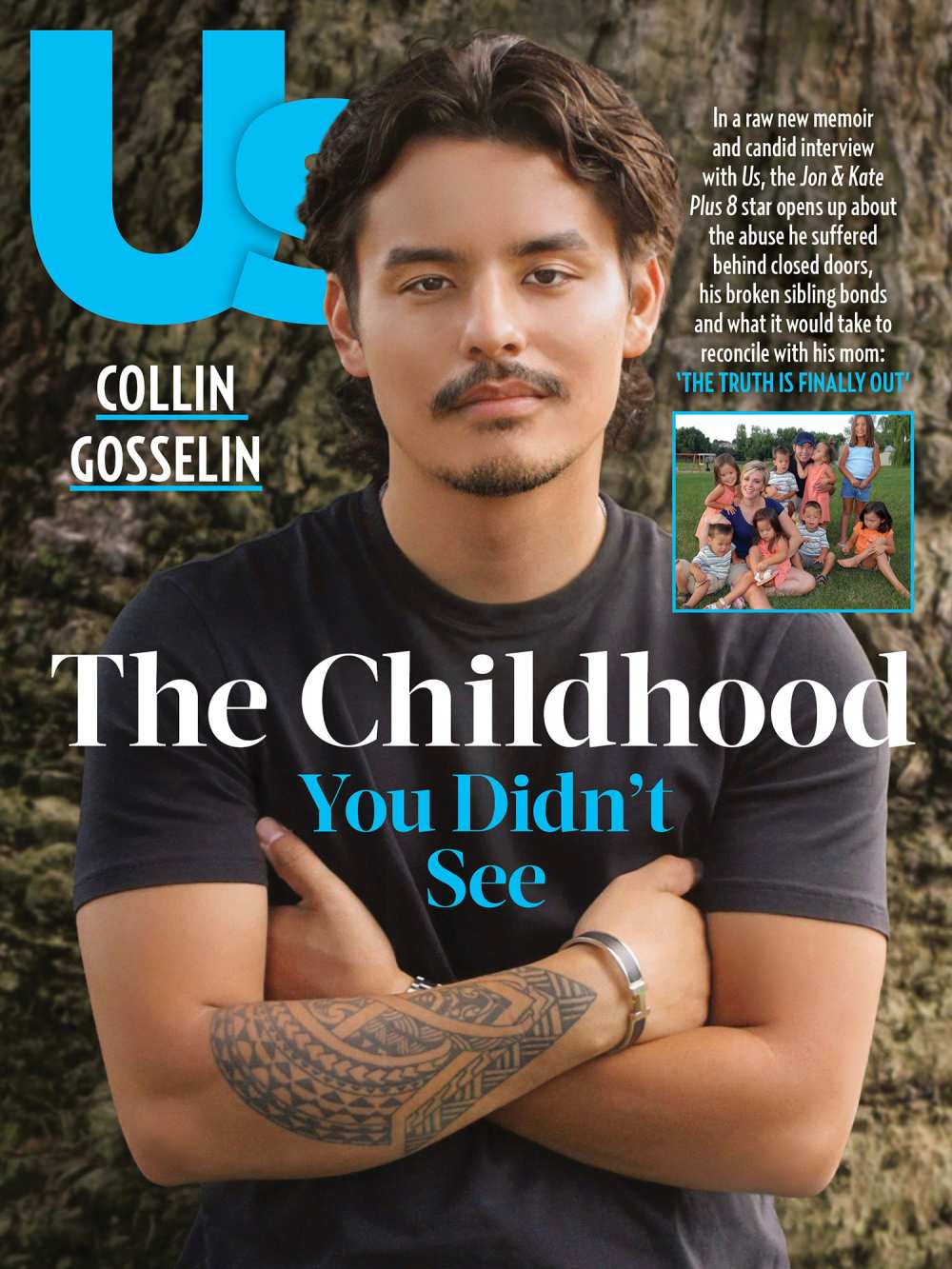
“[I] lived that life for so long, and it literally feels like there’s something burning inside me, and I can never stop talking about it,” Collin says, adding that the writing process has helped him heal. “I feel relief. The truth is finally out.” He talks to Us about survival, where he stands with his family and if there’s a chance of reconciliation.
Why was this the right time for you to share your story?
Since I was very little, I knew there was something about my life that wasn’t quite right, and it would be something I’d tell others about. When I was an early teen, there were a lot of different [things about my life] being shared, but it wasn’t my voice. It wasn’t my story. For me to be able to tell my story [has been] very powerful. I still can’t believe I’ve done it. It’s a surreal moment.
How do you feel?
Relieved. There are so many cases of children in the industry being exploited and a huge epidemic of child abuse. To get [my story] out there and put these big companies and people on blast — it needs to be done. We need to hold adults accountable.
What do you think will shock people the most?
There are a few people online who like to question things I’ve gone through, but I remember things very clearly. I recently found paperwork where there’s an admission of horrible things my mom has done on signed medical paperwork. It’s on paper. A child should never have to prove or explain themselves when talking about abuse and exploitation, but I’ve found documentation where my mom has given admission to the things she’s done.
What was it like seeing that?
To be honest, I felt the same. Everything that was on paper, I lived it. It was the same as when my mom claimed I had autism and bipolar [disorder]. [In 2016, Kate said Collin had unspecified ‘special needs’ and that there was ‘a fairly fluid diagnosis of what those needs are.’ In his book, Collin writes that his discharge diagnoses from Fairmount included bipolar disorder, autism spectrum disorder, Attention-deficit/hyperactivity disorder (ADHD) and obsessive-compulsive disorder (OCD).] I came home and had a new psychiatric evaluation done. [He writes that the doctor found he showed no signs of a psychiatric or behavioral disorder.] When that was handed back to me, I wasn’t like, “Oh, this is great news.” I [already] knew. But it means I no longer have to fight to defend my name, which she’s tried so hard to soil.
You describe physical abuse from your mom. Looking back, what was the worst thing you experienced?
The hardest part wasn’t having to go through that on a daily basis — it was that I never had a childhood with my siblings. [I think less about] the words that were being spat into my face and her hands on me than about my siblings. They were the only people I felt understood me, but I had no life with them.
Is there anything in the book you’re nervous about Kate seeing?
Not really. I’d feel [a lot of] relief if she were to ever open a page and see that it’s all there. She won’t feel relief, but I will.
Do you think she’ll read it?
I don’t think so, but I can be hopeful that she does and maybe it awakens something in her.
Are there parts she might challenge?
Anything that says she wasn’t the best mother in the world. For so long, she was praised like a god. How do you go from that one day to [watching] the facade you built crumble?
Are you concerned people will challenge your account or that you’ll face backlash?
I’m not afraid of backlash. It’s crazy when you live something and somebody tries to tell you it’s not what happened. I could hand somebody a brick and say, “This is a brick,” and they could tell me it’s a piece of paper, right? That’s what I’ve dealt with. You just have to let go. There will always be ignorant people out there.
You write about acting out as a child. What do you think you were trying to communicate?
I didn’t want to be on camera. I knew something in that mix was not natural. I pushed back, and my mom didn’t like me doing that. She wanted everybody to be with the program. I’d say, “I’m gonna rebel a bit more and be a little naughty, and [tell her], ‘I don’t wanna do this.’” I was a young kid, and I shouldn’t have been forced to film. And when she didn’t understand that, I had to turn the heat up a little bit and throw more tantrums.
Was that when the tension between you and your mom began?
I read that [when I was] 2, my mom was writing [in her diary] how she felt bad that she hit me a little harder [that day], and she may have seriously injured me. So it didn’t start just because I was rebelling against filming or because I would throw a temper tantrum. It started at 2 when she decided she was going to treat one of her children differently than the rest.
Do you think TLC should have stepped in?
My mom hid a lot of what she did from some of the camera crew. But not everything, and there was a lot [done] in front of adults who should have spoken up against her. But [they] would do nothing in the presence of my mom. She was the master of the operation. Everybody was afraid of her. Because of that fear, I suffered for years. It really hurts me because one person saying one thing could’ve changed years of torture and suffering. [TLC has not publicly responded to Collin’s allegations.]
Do you wish Jon & Kate Plus 8 had never been filmed?
I’m a grateful person, and filming did give me and my family a steady income and a lot of great opportunities. But being put on camera [so young] is not healthy for a child’s development. My parents should’ve done better to understand that kids should have a choice. They should have left it after the documentary they did [2006’s Surviving Sextuplets and Twins]. It turned into this machine that was dangerous for a child; [it became] a money grab versus parents looking out for the welfare of their children.
How did Kate treat you differently than your siblings?
I was pulled out of school and visits from my dad were cut off. My siblings would go outside and play every day, and I wouldn’t be allowed to play with them. I had a room built in our unfinished basement to keep me isolated from them. I did nothing with them: meals, going to school, visiting my dad, nothing. My childhood with my siblings was taken from me long before I was ever sent out of our house.
Do you have any good childhood memories with your mom?
[Some] little moments she fabricated in front of the camera. One time we were at a place with all these hay bales, and she had this little sweet moment where she said, “I just love when you’re happy, and you’re you.” What she meant was, “I love when you’re performing in front of the cameras, and you’re not pushing back against being exploited.” She was holding my head and hugging me and being so sweet to me — there was never any of that behind the [scenes]. That was her saying, “I love when you perform for the cameras.”
You say you were heavily medicated while at Fairmount. Did you understand what was happening?
I didn’t understand any of those big names or why I was being fed medications every day. But I went through the motions and did what I was told. I don’t know exactly how they came about, but I have my own assumptions about money and power. You can call a kid anything and put him away. As an adult, I’m glad I’m free and I’m not a zombie like I was in that institution. [Collin writes that he was weaned off all of his medications at a transitional residential program after Fairmount.] I feel hurt that [all that] time was taken from me, but I’m not caught up in lost time. There are still a lot of questions, and I’m still uncovering stuff to this day.
What are some of the most pressing questions you have?
I’m curious about how I was diagnosed with autism and bipolar [disorder]. I’ve tried to research some of the medications I was on from age 11 until 14. It’s insane. So that’s what I’m still questioning today. [Fairmount previously told The Sun that it cannot comment on specific patients or their care.]
Do you blame any of the doctors?
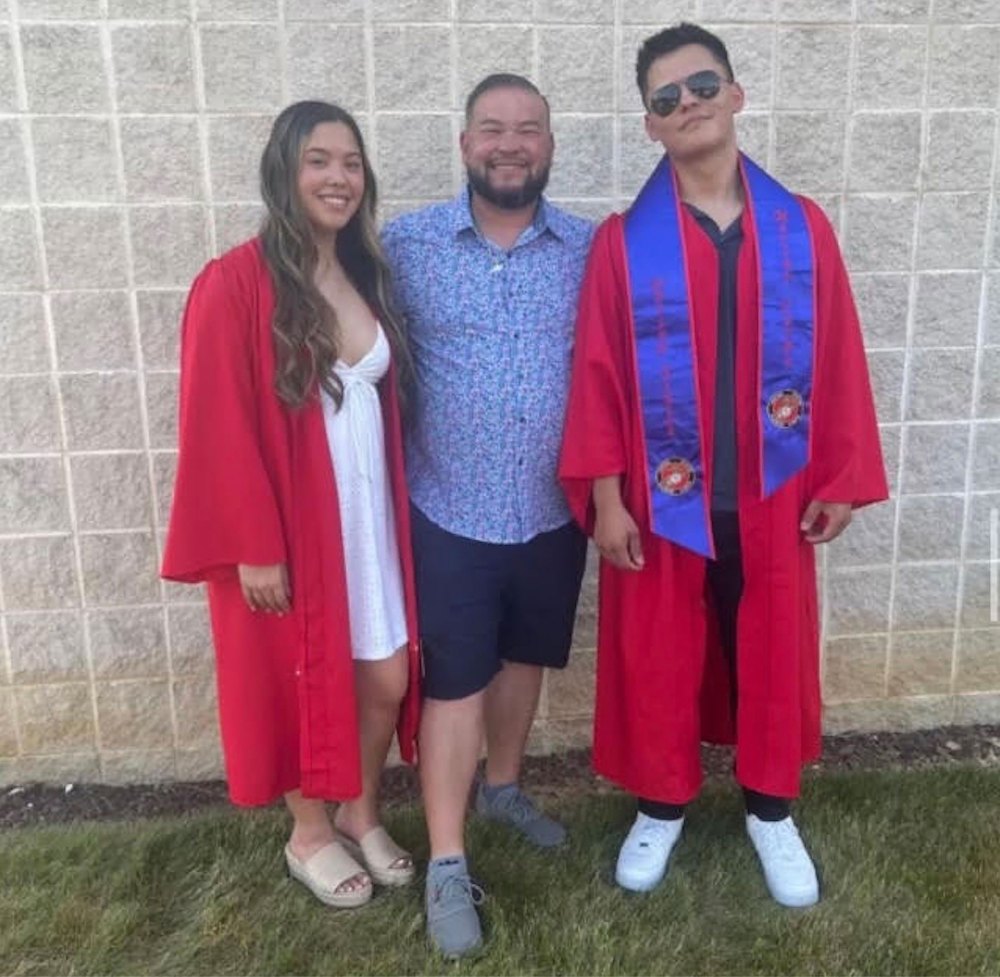
No, I don’t harbor resentment. The only thing that throws me off is that after high school, I enlisted in the United States Marines. I was right on the cusp of graduating, but because of a comment my mom made on social media, I was not able to complete that dream. [Collin attributes his discharge to Kate’s 2023 Instagram post. Her attorney told The Sun that the post might have prompted scrutiny of Collin’s history, but disputed blaming Kate for his discharge.]
What would it take for you to reconcile with Kate?
I’ve put opportunities out there for us to be candid and talk about everything. I’ve mentioned wanting to do a lie detector test with her. That was a big thing, and I was really looking forward to it. Every time she’s spoken, it’s been to soil my name. The biggest thing for me in wanting to reconnect is that she speaks truthfully. And so far, there’s been none of that. But if we could get past that hurdle, there’s a possibility of reconciliation.
Growing up, how much did your siblings know or understand about what you were experiencing?
A lot of what was done was hidden from them. But being in the same house, you always know when somebody’s being treated differently. There was one day when Hannah and Leah snuck down to the room my mom had built. [Collin writes that Kate had a cell-like room built for him in the basement. It contained an air mattress and a security camera and was locked from the outside.] When she found out, she wasn’t very happy with them. They came down because they thought it was just some [kind of] bedroom, and they were gonna come play with their brother. They were down there laughing, and she was not happy when she found them. She made every effort to isolate me from my siblings. She pulled me out of school, [so while they] were at school, I was just with my mom. I wasn’t being homeschooled. I was home with my mom alone. I’ll just leave it at that.

Did any of your siblings also resist filming?
I’m not gonna say names, but I feel there were some who also didn’t want to be on camera. There were many vulnerable moments, and sometimes the steam would build and we’d voice it. There were interviews where I’d sit off to the side and be withdrawn and upset; that was my silent rebellion. But I remember moments where a few of my siblings [said something] to my mom. There’s only so long you can bury how you feel.
What do you think she told them when you left for Fairmount?
I’m sure it was the same spiel we received before. Young minds are easy to corrupt, and my mom knows this better than anybody. [When I had] tantrums [over] how upset I was with filming, she’d say, “Oh, your brother needs more help than you guys.” She would humiliate me. She would tell my siblings in front of me that I was basically damaged goods and needed more attention than them. When I was sent out, [she probably told them something] along those lines.
Besides Hannah, when did you last see your siblings?
It was a court-ordered playdate when we were about 14. I really wanted to feel that team dynamic [with them] again, but there wasn’t a whole lot of that. We had grown into different people. I enjoyed every second I could in their presence.
Any chance you could reconcile with them?
There’s just so much triangulation that my mom put between me and my siblings. I don’t know what they believe now as adults, but she did so much damage to our minds as kids.
Have you tried to reach out?
I think about it a lot, sending a text and asking how they’re doing. But it’s complicated. We don’t know each other. I can’t remember what they look or sound like. I don’t know what their hobbies are. There are so many simple things I wish I knew. But I realized the other day that the more I talk about these things and expose things my mom did, the more I may be indirectly separating myself from my siblings. Obviously they love her and they have a right to; she’s our mother. But I have to choose the path that advocates for others, and I will never stop speaking my truth.
You remain close with Hannah. How did you reconnect?
Hannah decided that she wanted to leave my mom’s house. [Neither of us] wanted to be part of that whole facade. When you’re one of eight, and then there are only two [who feel similarly], you don’t have many other options of who to lean on. But I wouldn’t have it any other way. Hannah’s great, and she’s doing very well. She cares very deeply about people.
You went to live with your dad after Fairmount. What was that like?
When we first reunited, it was like, “Oh my gosh, I didn’t know you were looking for me.” I didn’t know he was going to court to find out where I was and that we were both kept in the dark. The last thing I was told was that he didn’t want anything to do with me. There was this huge, crazy moment when I was like, “I was told I wasn’t allowed to visit you,” and he was [like, “I was] told you didn’t want to visit me,” and we sat down and hashed it all out and realized we both wanted the same thing the whole time.
Was it hard to reconnect?
We were like two broken people trying to rebuild a relationship from scratch. I was like, “Who is this guy?” and he felt like, “I don’t know how to be there for my son after everything he’s gone through.” We worked on that, and now we’re closer than ever. Good things take time.
It’s a lot to overcome.
We always bonded over cars, trucks and motorcycles, so we did a lot of outings where we’d go to car shows. It sounds silly, but sometimes a common interest can bring people together.
You write that there was tension between you because your dad spoke about you in the press. [In 2019, Jon told Dr. Oz and other news outlets that Kate had Collin institutionalized without his knowledge or approval.]
I was about 15, and after everything I’d been through, I felt I should’ve been able to come home and just be a kid and not have those things out there in the media. I wasn’t ready to talk. My dad wanted the truth out there because for so long it was just my mom controlling the narrative. He was going head-to-head with my mom, saying, “You need to stop talking about my son because there’s nothing wrong with him. He lives at home and he’s a normal kid who’s going to school and doing great.” I felt I should be able to tell my story on my own terms, so that’s where that clash came from.

What’s your relationship like now?
In every single thing I do, in every challenge I take on, he’s my No. 1 supporter. We talk on the phone every day. He’s always there, and he’s always saying he’s proud of me. His friends will say, “Your dad talks about you all the time, and he’s so proud of you.” That’s what means the most to me.
Do you think there are any misconceptions about him?
He works hard, and he cares about me and Hannah and his wife and his puppy. Everybody’s going through something. They love to come after him, but he works every day to better himself, and he’s present for those around him, and that’s what matters.
Do you hope to be a dad one day?
People always ask me this, and without hesitation, I say yes.
Will what you’ve endured shape how you are as a parent?
It’s so simple to me: You should not forsake your child. You should not throw them in front of a camera against their will. I will support my children and their dreams. I was driving the other day, and I saw a father holding his little son’s hand walking, and I started tearing up — I don’t think it’s a crazy concept to think that as a parent, you should not hurt your children or send them away and exploit them.
Any regrets about telling your story?
No, because I feel like I’ve started a revolution. Children should not be forced to be laborers in front of a camera. Those were the hardest days I’ve ever faced, but the days ahead are gonna be much better. There’s a lot of possibility for change.

Are you still hoping to join the Marines?
I’m working on that. I’m not somebody to quit. I’m almost done with my bachelor’s degree, and my hope is to go back as an officer for the Marine Corps.



What’s something that makes you happy in your life now?
My best and longest friend, who I met during my hardest times in high school, became a father about a year and a half ago. We just all went to Florida together, and I’m the cool uncle to his kid. That’s what makes me happy. I held her when she was a baby, and now she’s growing up and walking. They are so present for their daughter, and when you don’t see that in your mother as a kid, it’s healing to [witness] it. It fills my heart with joy.
How do you feel about your mom today?
I spent enough of my life feeling grief and anger. As an adult, I’m doing the things I’ve always wanted to do and taking on these really cool challenges. This may sound rude, but in my day-to-day life, I don’t think about my mom. I think about my goals and the children I’m advocating for… I look to the future.
Us reached out to Kate Gosselin, Fairmount Behavioral Health System and TLC for comment.