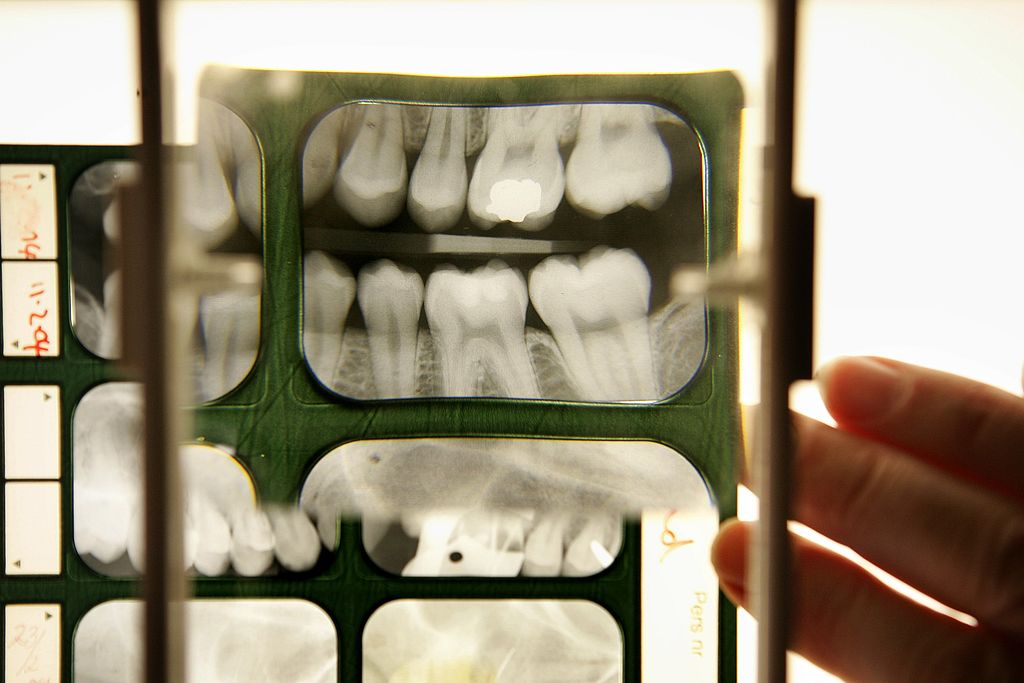

Getting your wisdom teeth pulled has always felt like a quickly forgettable rite of passage. That framing is starting to look outdated. Two recent findings suggest the molars most oral surgeons drop into a biohazard bag carry both an anti-aging mechanism and a personal stem cell reserve, and wellness readers already tracking senolytics and cellular aging have a reason to pay attention.
The research doesn’t mean anyone should skip a needed extraction or delay one. It does mean the tissue coming out of your mouth is worth understanding before it’s thrown away.
What Wisdom Teeth Are and When to See a Dentist
Wisdom teeth are the third and final set of molars, usually emerging between ages 17 and 25, long after every other adult tooth has come in. Most people have four, one in each corner of the mouth, though some are born with fewer, or none at all, another quirk of overlooked mouth biology similar to what researchers are uncovering in new oral microbiome research.
They cause problems more often than other teeth because there’s frequently not enough room in the jaw for them to come in straight. When that happens, they can grow in sideways, get stuck partway through the gum, or push against neighboring molars. Dentists call this impaction, and it’s the main reason wisdom teeth get removed in the first place.

Signs worth bringing to a dentist include persistent pain or swelling near the back of the jaw, difficulty fully opening your mouth, swollen or bleeding gums around the back teeth, and a bad taste or odor that doesn’t go away with brushing. Left untreated, an impacted wisdom tooth can lead to infection, cyst formation, or damage to a neighboring tooth’s root. This is why dentists typically recommend addressing symptoms rather than waiting them out.
How Wisdom Teeth Connect to Anti-Aging Science
A May 2026 study in Stem Cell Reports from Sichuan University pinpointed a specific stem cell protein that vanishes from teeth as they age. Without it, older teeth become more prone to decay and repair themselves more slowly.
The researchers then restored dentin formation and pulp health in aged mice using senolytic drugs. Those are the same compounds generating buzz in the human longevity space for clearing out aging “zombie cells” that stop dividing but refuse to die. Skin, joint and general anti-aging conversations already circle senolytics constantly. This is the first time the class has been tied directly to reversing the aging of teeth themselves.
The finding is early. The work was done in mice, not people, and no dentist is prescribing senolytics for tooth decay today. Still, it reframes the tissue inside wisdom teeth as biologically informative rather than biological garbage.
Why Wisdom Teeth Are Being Saved as a Stem Cell Reserve
The pulp inside wisdom teeth contains mesenchymal stem cells that scientists have already coaxed into neurons, heart muscle and bone in the lab. Teams at the University of Washington and the University of the Basque Country published 2025 work advancing this line of research.
A small but growing number of private banking companies now offer to cryopreserve those cells at the moment of extraction rather than let them go in the trash. The model is borrowed from cord blood banking for newborns.
The pitch is simple. A routine procedure most people go through in their teens or twenties may quietly hand them a biological asset with real regenerative potential. Once the tooth is gone, the window closes.



What This Means for You
Most patients have never been told dental pulp banking exists. Oral surgeons don’t typically raise it on their own. If you or someone in your family has an extraction scheduled, it’s worth asking about the option even if you decide not to move forward. Cost, storage terms and evidence base vary by provider, so treat it the way you would any other elective medical service.
The senolytics finding sits in a different category. It’s an early but genuinely exciting signal, not a treatment available at any clinic today. Anyone reading longevity newsletters or tracking anti-aging supplements now has a reason to watch the dental research alongside them.
Two decades ago, extracted wisdom teeth were medical waste. Increasingly they look like a small deposit of regenerative biology that walked out of the operating room with the trash.