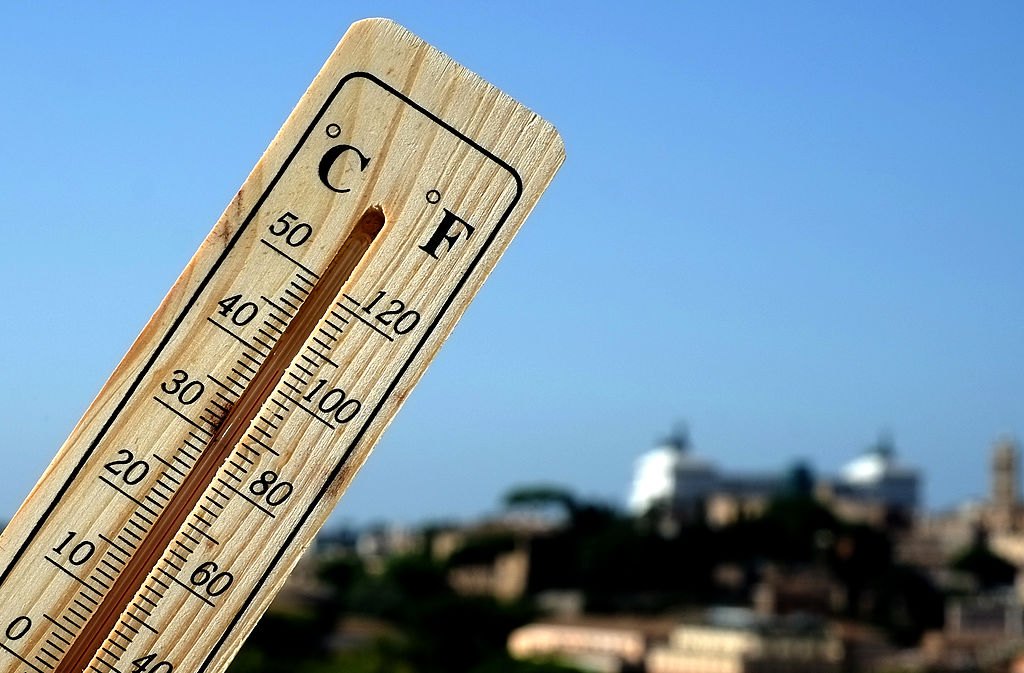


If you’ve felt like summers keep hitting differently, the data backs you up. A study published June 22, 2026, in Nature Climate Change found that 1 billion more people now face at least one day of extreme heat stress every year than in the 1970s. And it’s not just hotter days driving the trend.
Lead researcher Rebecca Emerton of the European Centre for Medium-Range Weather Forecasts found that the 10 warmest nights of the year are heating up roughly 0.58 degrees Fahrenheit per decade on average. This means your body gets fewer hours overnight to recover before the next round of heat hits.
Global heat-related deaths have climbed alongside it, rising from about 335,000 per year in the 1990s to 546,000 annually between 2012 and 2021, according to the 2025 Lancet Countdown report.
New research on sauna therapy and longevity draws a sharp distinction between intentional, controlled heat exposure and the kind of uncontrolled overheating that builds up across a hot day and a warm night. Understanding that difference starts with knowing what heat stress actually does to the body and who’s most at risk when it happens.
Who Is Most Vulnerable to Heat Stress?
Heat stress isn’t an equal-opportunity condition. The World Health Organization warns it can worsen cardiovascular disease, diabetes, asthma and mental health conditions while raising the risk of accidents and certain infections. Heat-related mortality in adults over 65 climbed roughly 85 percent between 2000-2004 and 2017-2021.
Certain medications also raise your risk in ways most people don’t realize. Diuretics, beta-blockers and antihistamines can all interfere with how your body regulates temperature, making it harder to cool down naturally. Pregnant women, people with obesity and people with lower cardiovascular fitness are also in the groups clinicians flag most often.

How Heat Makes Chronic Conditions Worse
For anyone managing a chronic illness, a heat wave can go from uncomfortable to dangerous quickly. Here are the conditions where the research shows the clearest connection:
- Multiple sclerosis: A 2025 systematic review in the Journal of Neurological Sciences found that 67 percent of reviewed studies showed worsened MS symptoms or increased hospitalization tied to environmental heat. Heat slows nerve signal conduction through already-damaged myelin, so even a modest temperature jump can trigger fatigue, vision changes or significant weakness.
- Cardiovascular disease, respiratory disease and diabetes: A 2025 meta-analysis in Environmental Research linked heat exposure to increased morbidity and mortality across all three conditions. For people with heart disease in particular, the added strain of trying to cool the body can push an already-stressed cardiovascular system hard.
- Anxiety, depression and cognitive function: A 2025 review in the Journal of Climate Change and Health confirmed that extreme heat worsens all three through serotonin disruption, cortisol spikes and broken sleep, the same overnight recovery that’s shrinking as nights get warmer.
The Heat Stress Warning Signs to Watch For
Heat illness moves through stages, and catching it early matters. CDC NIOSH guidance updated in March 2026 describes the progression clearly. It starts with heat cramps, painful muscle spasms that show up alongside heavy sweating. That’s the first signal that your fluid and electrolyte balance is slipping.
Heat exhaustion follows, bringing headache, dizziness, nausea, weakness and heavy sweating, with body temperature still under 104 degrees Fahrenheit. Anyone showing those signs should seek medical care.
Heat stroke is the most dangerous stage, marked by body temperature at or above 104 degrees and often a complete stop in sweating despite feeling hot. Confusion, vomiting or the inability to sweat are signals that heat stress has already progressed past what rest and water can fix. Call 911.


A simple self-check worth building into any hot day: look at your urine color. Pale or clear means you’re well-hydrated. Dark yellow is a warning that you’re already behind on fluids before symptoms show up.

How to Cool Down Fast
Get out of the heat first, then work through these steps:
- Move and remove. Get to shade or air conditioning right away and loosen or remove excess clothing so body heat can escape.
- Target the right spots. Apply cold wet cloths to the neck, armpits and groin, which have the highest blood flow and respond the fastest to cooling.
- Hydrate the right way. Sip cool water steadily. Skip alcohol and caffeine, both of which speed up dehydration when your body can least afford it.
- Skip the fan in extreme heat. The National Weather Service warns that blowing a fan on someone when the heat index is in the 90s can actually push more heat into the body. Cold water and cold compresses are more effective.
- For heat stroke, cool first, transport second. Clinical consensus now prioritizes aggressive cooling before moving a patient. Cold water immersion or iced sheets applied to the body can limit organ damage in the critical minutes before emergency responders arrive. Call 911 immediately.
As summers get hotter and nights stop cooling down the way they used to, recognizing these signs early isn’t just useful. It’s genuinely protective.