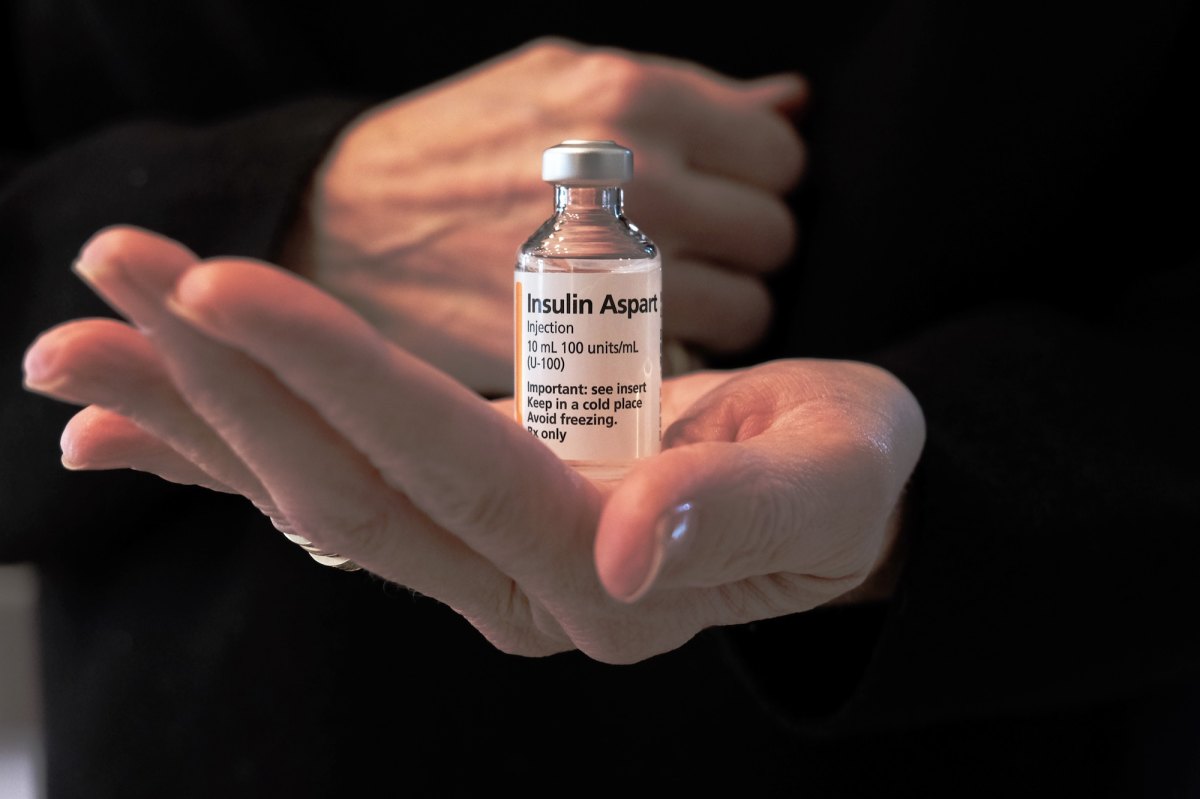


Insulin resistance has become one of the most-searched health topics as patients and doctors zero in on the link between blood sugar, weight and chronic disease. Here’s what specialists want you to know about the condition, the warning signs and what to eat.
What Is Insulin Resistance and How Does It Develop?
Insulin resistance is “a complex condition in which your body doesn’t respond as it should to insulin,” according to Cleveland Clinic. Insulin is a hormone the pancreas produces to regulate blood sugar, and several genetic and lifestyle factors can contribute to the body becoming resistant to it.
The process begins with digestion. “When you eat food, your body converts that food into dietary sugars. Insulin is a hormone released by the pancreas that tells your cells to open up to that sugar and convert it into energy,” Dr. Eleanna De Filippis, an endocrinologist at Mayo Clinic, explained.

Trouble starts when cells stop cooperating. “With insulin resistance, the cells don’t react, and don’t open up, resulting in excessive sugar in the blood. Over time, the pancreas keeps trying to regulate the blood sugar, producing more and more insulin until it wears out and can’t produce large amounts of insulin anymore. As a result, blood sugar levels increase to the point of being in the diabetic range,” De Filippis said.
The condition can also fly under the radar for a long time. “Insulin resistance isn’t a disease on its own, but it’s a condition that can cause a range of many other health problems,” said Dr. Vishaal Gupta, a Geisinger endocrinologist. “Unfortunately, it can develop gradually, so many people may have it for years without noticeable symptoms.”
What Are the Most Common Insulin Resistance Symptoms?
The most common insulin resistance symptoms, per Geisinger, are:
- Weight gain
- Skin changes
- Low energy
- Brain fog
- Increased appetite
- Trouble sleeping
- Sugar cravings
“Insulin resistance isn’t a disease on its own, but it’s a condition that can cause a range of many other health problems,” Gupta says. “Unfortunately, it can develop gradually, so many people may have it for years without noticeable symptoms.”
The slow buildup matters because the underlying biology keeps progressing even when patients feel mostly fine. De Filippis describes a cycle in which the pancreas keeps pushing out more insulin to compensate.
A single symptom usually isn’t enough to point to insulin resistance on its own. But a cluster — fatigue paired with sugar cravings and stubborn weight gain, for example — is worth raising with a doctor. Because the condition can progress silently, Gupta says “regular screening and follow-up are important if you have risk factors.” That’s especially true for patients whose families already have a history of type 2 diabetes, where catching insulin resistance early can change the long-term trajectory.
Who Is Most at Risk for Insulin Resistance?
“Anyone can become insulin-resistant. In particular, people with excess weight are at a higher risk, compared to the general population,” De Filippis said. But the risk profile is far broader than weight alone.
De Filippis lists several factors that raise risk further:
- Family history of type 2 diabetes
- Age over 45
- African, Latino or Native American ancestry
- Smoking
- Certain medications, including steroids, anti-psychotics and HIV medication
Several other medical conditions are also tied to insulin resistance, she said. Those include obstructive sleep apnea, fatty liver disease, polycystic ovarian syndrome (PCOS), Cushing’s syndrome and lipodystrophy syndromes — conditions that cause abnormal fat loss. “So carrying either too much or not enough fat tissue in your body can be associated with insulin resistance,” De Filippis said. (PCOS has since been renamed to polyendocrine metabolic ovarian syndrome [PMOS] as of May 2026.)
The good news: some risk factors are modifiable. “You can’t change all insulin resistance and prediabetes risk factors like family history and age,” Gupta says. “But you can take steps to reduce your risk and even reverse the condition to improve your long-term health.”
What Does the Best Insulin Resistance Diet Look Like?
“When you’re talking about what type of diet would be good for insulin resistance, it’s basically just a healthy diet. It’s the same for diabetes. It’s the same for heart disease. It’s the same for decreasing your cancer risk,” Beverly Rodgers, a senior clinical dietitian at UT MD Anderson League City, said.
Rodgers recommends an eating pattern that is high in whole foods and low in processed foods, like the Mediterranean diet. Balance is the key. “This means eating from multiple food groups to ensure your body gets a variety of nutrients. Your diet should include lots of fruits and vegetables, and some protein, fat and carbohydrates.”
A practical way to picture it on a plate: “At mealtime, this might look like filling two-thirds of your plate with whole grains, vegetables, fruits, beans, nuts and seeds. The remaining one-third can be lean animal protein or plant-based protein,” Rodgers said.
Specific foods Nebraska Medicine highlights for improving insulin resistance include:
- Complex carbohydrates such as oats, quinoa and brown rice
- Foods high in fiber and nutrients
- Fruits and vegetables including broccoli, peppers, raspberries and peaches
How Are Insulin Resistance, Prediabetes and Type 2 Diabetes Connected?
Insulin resistance and prediabetes are different stages of the same process that can ultimately lead to type 2 diabetes. “The two are very closely related,” says Dr. Sydney Blount, a Nebraska Medicine endocrinologist. “Insulin resistance can lead to prediabetes and most people with prediabetes have insulin resistance.”



Prediabetes occurs when blood sugar levels are higher than usual but not yet high enough for a diabetes diagnosis. Insulin resistance typically comes first — quietly.
“You can have insulin resistance before you are diagnosed with prediabetes,” Blount says. “That’s because, initially, your body will try to make up for insulin resistance. It does this by making more insulin to maintain normal blood glucose levels. Over time, however, your pancreas may no longer be able to produce enough insulin to overcome insulin resistance. This can lead to higher-than-normal blood glucose levels. When this happens, you have prediabetes.”
Left alone, the risks pile up. “Left untreated, insulin resistance increases the risk of Type 2 diabetes, nonalcoholic fatty liver disease, high blood pressure, heart disease, sleep apnea and PCOS,” Gupta says. “Because these conditions can progress silently, regular screening and follow-up are important if you have risk factors.”