

Zone 2 cardio used to live exclusively inside elite cycling labs and endurance coaches’ training logs. Now it’s all over wellness podcasts, fitness TikTok and longevity influencer feeds. And a major 2025 scientific review just made the story a lot more interesting.
If you’ve been told that a slow, conversational jog is the single best thing you can do for a long life, here’s what’s actually going on.
What Zone 2 Cardio Actually Is
Zone 2 is steady aerobic exercise at 60 percent to 70 percent of your maximum heart rate, which you can roughly estimate as 220 minus your age. At that effort level, your body runs primarily on fat for fuel and stays in a comfortable aerobic state. The classic activities are brisk walking, easy cycling, light jogging, swimming and rowing. Walking on an incline counts too.
The simplest way to find it is the talk test. If you can speak in full, relaxed sentences but couldn’t comfortably sing, you’re there. If you’re gasping between words, slow down. You don’t need a wearable or a lab to get started, though a heart rate monitor helps you dial it in once you’re ready.
It’s often called the “fat burning zone” because fat is the dominant fuel source at this pace. But as Houston Methodist’s fitness team explains, burning fat during a workout isn’t the same as reducing your overall body fat percentage.

Why Zone 2 Cardio Went Mainstream
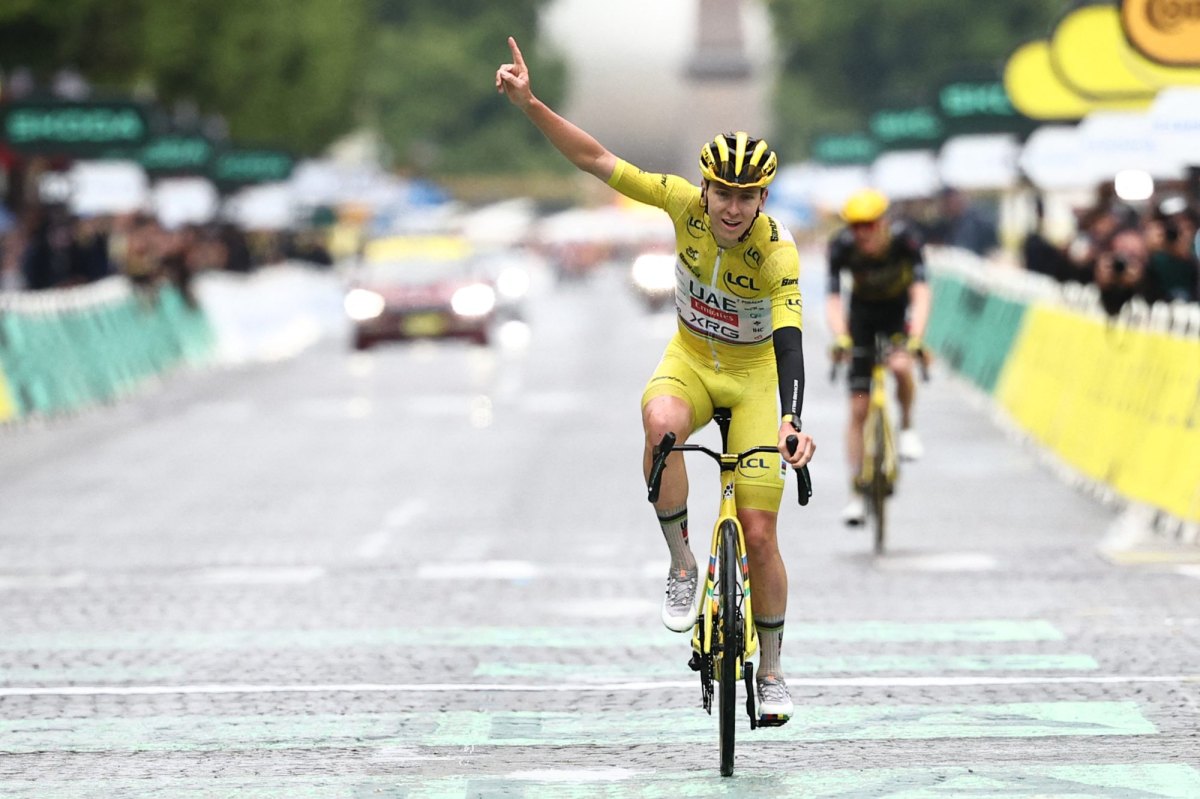
The trend has a clear origin: Iñigo San Millán, PhD, professor at the University of Colorado School of Medicine and the performance coach behind two-time Tour de France champion Tadej Pogačar. He spent years arguing in research and on podcasts that zone 2 is the intensity that benefits your mitochondria, your cells’ energy-producing engines, more than any other.
His core claim: Pogačar’s almost supernatural ability to clear lactate on brutal mountain climbs is built on an enormous zone 2 aerobic base. That same principle applies to everyday exercisers.
The longevity wellness world picked it up from there. VO2 max, your body’s capacity to use oxygen, is one of the strongest predictors of how long and how well you’ll live, and zone two became the go-to prescription for building it. Add in the simplicity of the talk test and you’ve got a fitness trend that doesn’t require a gym, a coach or any equipment to try.
What the Research on Zone 2 Actually Found
In June 2025, a narrative review in Sports Medicine by Storoschuk, Moran-MacDonald, Gibala and Gurd pushed back on the public-facing version of that prescription. Their finding: current evidence doesn’t support zone 2 as the optimal intensity for improving mitochondrial function or fatty acid oxidative capacity in everyday people.
The core issue is a volume mismatch. The popular 80/20 rule, spend 80 percent of your training time in zone 2 and 20 percent at high intensity, was built from observational data on elite athletes training 12 to 20 hours per week. Most people train four to six hours. At that lower volume, higher-intensity work turns out to be more time-efficient for building VO2 max and mitochondrial capacity.
That doesn’t make zone 2 useless. It’s genuinely well-suited for beginners, older adults, injury recovery and as one part of a varied routine. The problem is treating it as the only thing you do.




How To Utilize Zone 2 Cardio Training
A practical structure for most people: two to three zone 2 sessions per week of 30 to 60 minutes each, one to two higher-intensity workouts and at least two strength-training sessions. That mix respects what the 2025 research found while still letting zone 2 do what it genuinely does well.
Don’t chase pace or distance. Work to maintain the effort level. And if you’re thinking about when to schedule those sessions, research on the best time of day to work out shows that workout timing can influence heart health outcomes too, making it another useful variable as you build your routine.
Zone 2 is a real and useful tool. It’s just not the miracle it’s been made out to be online. Used as one piece of a broader plan, it can genuinely support your cardiovascular health and long-term fitness.