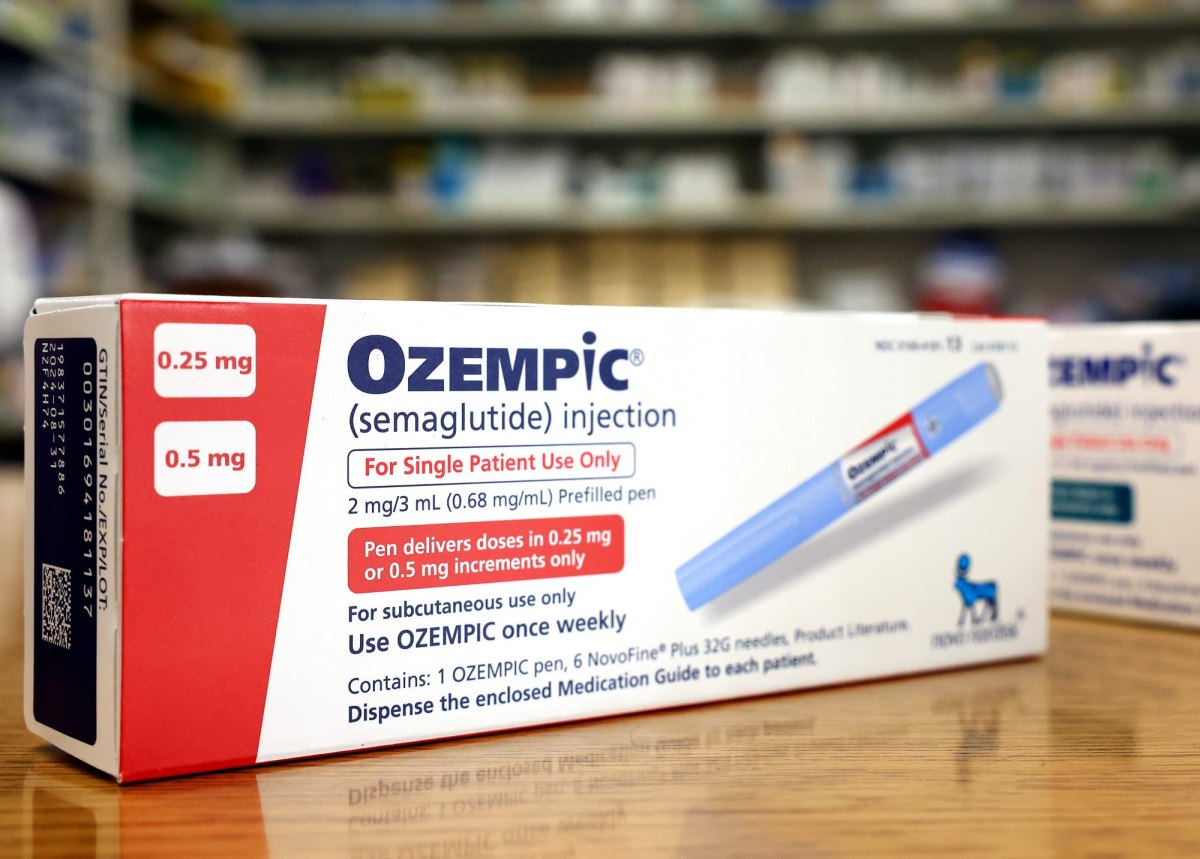


You’ve seen Ozempic everywhere. Maybe on your For You page, in celebrity interviews or in your group chat.
But here’s something you probably haven’t heard yet: the drug that reshaped the weight loss conversation may also be changing how doctors treat sleep apnea. New research is showing real, measurable benefits, and in late 2024 the FDA approved a related GLP-1 drug specifically for the condition. That’s a first. Here’s what you actually need to know.
What Ozempic Is and Why It’s Now Tied to Sleep
Ozempic is the brand name for semaglutide, one of a class of medications called GLP-1 receptor agonists. They mimic a gut hormone that controls insulin, curbs appetite and slows digestion. Originally developed for type 2 diabetes, these drugs, including Wegovy, Mounjaro and Zepbound, became cultural shorthand for a new era of weight loss medicine.
Obstructive sleep apnea (where the throat muscles relax during sleep and repeatedly block the airway) is one of the most common conditions most people have never thought twice about. It disrupts your sleep architecture, tanks your oxygen levels overnight and raises your long-term risk for heart disease. An estimated 30 million Americans have it. Most have no idea.
The connection to GLP-1 drugs makes intuitive sense: excess weight around the neck and throat is a major driver of airway collapse. So when these medications started driving significant weight loss, researchers started asking what else might be improving.

What the New Sleep Apnea Studies Actually Found
The January 2026 JAMA Network Open study, led by Yong Chen at the University of Pennsylvania, tracked more than 93,000 people with sleep apnea over nearly a year. Those taking GLP-1 drugs were 8% less likely to need a CPAP machine, 10% less likely to be hospitalized and 32% less likely to die from any cause compared to a similar group on different medication.
The SURMOUNT-OSA trial in the New England Journal of Medicine went even further, finding tirzepatide reduced the standard measure of sleep apnea severity by 55-63% versus placebo. Those results led to the FDA’s late 2024 approval of Zepbound as the first medication ever cleared specifically for obstructive sleep apnea. Before that, CPAP machines, mouth guards and surgery were the only real options.
What We Know and What Doctors Are Still Figuring Out
The leading explanation is weight loss: less fat around the throat means less airway collapse. But researchers, including sleep specialist Dr. Atul Malhotra, believe there may also be a direct anti-inflammatory effect from GLP-1 receptor activation, independent of how much weight a person loses. That piece is still being studied.
A few things worth knowing before you take this to your doctor: the JAMA study shows association, not confirmed cause and effect. CPAP is still the gold standard for moderate-to-severe OSA. And GLP-1 drugs aren’t currently approved as a sleep treatment for people without obesity or diabetes. Side effects like nausea, GI issues and potential muscle loss are real, and coverage through insurance outside of approved uses is limited.



What This GLP-1 Research Means for Your Sleep
If you’ve been waking up exhausted no matter how much you sleep, snoring loud enough to wake someone else up or nodding off in the middle of the day, sleep apnea is worth bringing up with your doctor. A sleep study is the first step — not a prescription request. From there, CPAP, lifestyle changes and, for some people, medications like Zepbound are all part of a conversation that’s genuinely evolving right now.
GLP-1 drugs aren’t a sleep hack. But they are, for the first time, making doctors think about sleep apnea differently — and that’s worth knowing about.