

When María Branyas Morera died in 2024 at 117, the world’s oldest verified living person, she left scientists something rare: a full set of biological samples collected while she was still alive. The resulting analysis, published in September 2025, is the most detailed look at a supercentenarian ever conducted, and what it found in her gut surprised everyone.
Her gut bacteria looked nothing like an elderly person’s. They looked like a child’s. And her cells behaved as if they were roughly two decades younger than her birth certificate said.

What Scientists Found in the Gut Microbiome of a 117-Year-Old
Dr. Manel Esteller at the Josep Carreras Leukaemia Research Institute in Barcelona led the study, with Eloy Santos coordinating it. His team analyzed samples of blood, saliva, urine and stool collected when Branyas was 116. They examined her genome, proteome, epigenome, metabolome and microbiome, an approach researchers rarely apply to anyone past 110. The team published the analysis in Cell Reports Medicine and calls it the most exhaustive study of its kind.
The biggest result came from her stool. Bifidobacterium dominated her gut. This bacterial group fills an infant’s gut and then drops off sharply through adulthood. In Branyas, it made up roughly half of her gut bacteria, about five times the levels in adults aged 61 to 91. By that measure, her microbiome looked like a child’s.
Why Her Biological Age Was Decades Younger Than Her Chronological Age
Branyas was 117 by the calendar. Her cells told a different story. Researchers used several DNA methylation clocks, which estimate biological age from chemical tags on DNA, and found she was on average 17 to 23 years younger than her chronological age. That gap is rare even among centenarians, and it held up across multiple measurements, not just one.
Esteller stressed that the real surprise wasn’t that she aged slowly. It was that she didn’t. Her biology showed what he called a “fascinating duality.” Signals of extreme aging sat right beside markers of youthful health. Supercentenarians don’t reach extreme age by slowing the clock. They reach it by carrying young traits and old traits at once. “Extremely advanced age and poor health are not intrinsically linked,” Esteller said.
The Role of Genetics in Extreme Longevity
A big part of Branyas’s story lives in her DNA, and you can’t copy it. Her genome carried rare protective variants tied to a stronger immune system, lower cancer risk, heart protection and neuroprotection. Seven of those variants had never been documented in European populations before.
That genetic profile is the catch for anyone hoping to copy her path. A single person can’t tell researchers whether her youthful gut drove her longevity or simply reflected a body that hosted good microbes well. Outside experts lean toward the second read.
What Her Lifestyle Looked Like
Her daily habits drew attention because they match patterns already tied to healthy aging. Researchers flagged a familiar list.
- A Mediterranean diet
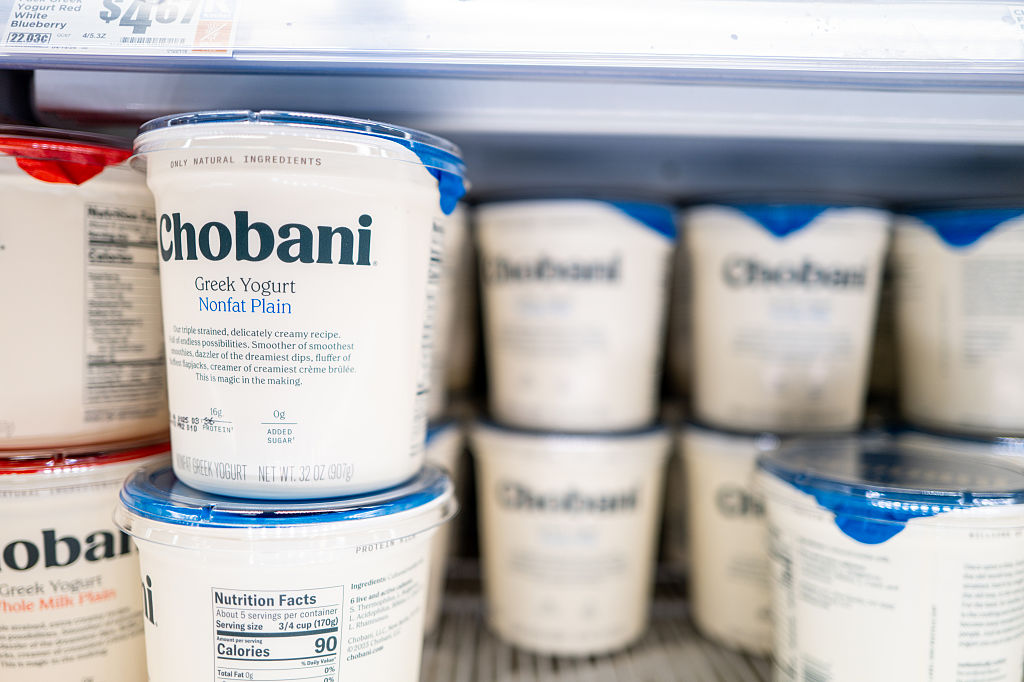
- Three servings of yogurt daily, which contain bacteria that favor Bifidobacterium growth
- Regular physical activity
- An active social life
- Good sleep
- No smoking and no alcohol
The yogurt detail traveled fastest, but experts urged caution. The link is correlational, not causal. Yogurt alone didn’t build her microbiome or her long life, and researchers warned against treating the finding as a prescription.
What This Means for Gut and Aging Research
The Branyas study sits inside a larger and genuinely mixed body of research. A 2025 narrative review in PMC notes that health-associated bacteria like Bifidobacterium show up at elevated levels in some long-lived populations. But the picture isn’t clean. Some centenarian studies show more pro-inflammatory bacteria too, which complicates any tidy “more Bifidobacterium equals longer life” story.


That’s the honest state of the science. The pattern is worth studying. It’s not a proven mechanism, and one extraordinary case can’t establish cause and effect.

What Readers Should and Shouldn’t Take From This
So what should you take from this? The researchers offer a measured answer. The habits tied to her longevity are the same ones decades of public health research already supports: a Mediterranean-style diet, movement, sleep, social connection and skipping tobacco and alcohol. Fermented foods like yogurt fit that picture, even if no one can promise they’ll reshape your gut the way hers was shaped. It’s the same inside-out approach research increasingly supports for healthy aging.
What the study doesn’t offer is a shortcut. Her genetics did heavy lifting, and most people will never carry those variants. Esteller’s most important point may be the simplest: living to extreme old age doesn’t have to mean living in poor health, and the two aren’t as tightly bound as we tend to assume.