
Travelers are rewriting the rules of what makes a trip worth taking.
According to 2025 Skift research, 86 percent of travelers now prioritize immersive experiences over traditional sightseeing — and a cultural festival has become one of the most powerful ways to step inside a place rather than just pass through it. Millennials (80 percent) and Gen Z (75 percent) are driving the shift, seeking entertainment, sports and cultural activities that put them shoulder-to-shoulder with locals.
What better way to delve into the colors and community of a country than joining a local festival? The immersion can be a life-changing experience few outsiders ever encounter — usually crammed into a few short days, fleeting yet unforgettable. From powder-dusted streets in India to ice palaces in northern China, these eight festivals are worth planning an entire trip around.
Why Cultural Festival Travel Is Becoming So Popular
The appetite for festival-based travel sits at the intersection of two major trends shaping the industry. A 2026 study by the European Travel Commission found that long-haul travelers are increasingly seeking local, authentic experiences and showing openness to destinations beyond the main tourism routes. Combined with Skift’s findings on immersive experiences, the data points to a clear shift: travelers want to participate, not just observe. Festivals deliver exactly that — a compressed, high-intensity window into a culture’s music, food, faith and community life.
Holi Festival of Colors in India
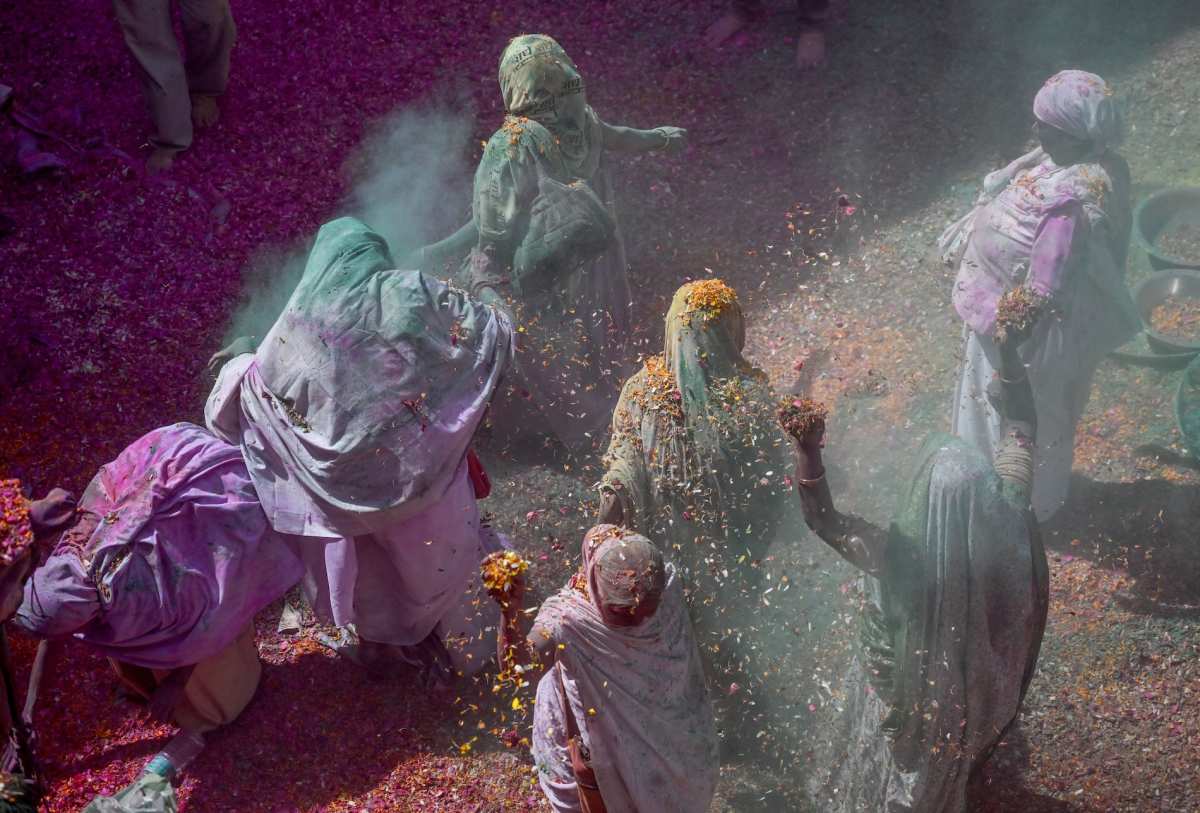
Widely considered the world’s most colorful festival, Holi is one of the most anticipated celebrations in the Hindu calendar. It falls on the last full moon day of the lunar month of Phalgun — usually March, sometimes late February — and turns streets across India into a swirl of pigment as participants throw colored powder and water on everyone within reach. The festival marks the victory of good over evil, the arrival of spring, the new year and fresh starts in relationships. Its origins trace back to Lord Krishna, a reincarnation of Lord Vishnu, who played pranks splashing maids with water and colors.
Naadam Festival in Mongolia
Held July 10-13 in Ulaanbaatar, Naadam is the biggest festival of the year in Mongolia and a rare opportunity to experience Mongolian culture up close. Locally called “the three games of men,” it centers on a tournament of three traditional sports: archery, wrestling and bareback horse riding. The ancient cultural spectacle is wrapped in colorful costumes and performances that have been passed down for centuries. For travelers looking for a festival that feels genuinely unlike anything at home, Naadam delivers.
Rio Carnival in Brazil
Rio Carnival is the biggest carnival in the world, drawing millions to Rio de Janeiro each year in the days right before Ash Wednesday. The festival is built around elaborate parades, continuous samba dancing and vibrant costumes crafted by local samba schools that spend the entire year preparing. It is a massive showcase of Brazilian culture — music, dance, food and community converging in one of the most photographed celebrations on earth. Travelers planning a trip should book accommodations well in advance, as the city fills quickly.
Inti Raymi in Cusco, Peru
Each June 24, Cusco hosts Inti Raymi, the “Festival of the Sun” — an ancient Inca celebration honoring the sun god Inti. It is the second-largest festival in South America and unfolds at the Sacsayhuamán archaeological site overlooking the city. The day brings Indigenous Andean music, colorful traditional attire and historical re-enactments that draw on centuries of pre-Columbian heritage. For travelers already drawn to Machu Picchu and the Sacred Valley, timing a visit around Inti Raymi adds a layer of living history to the trip.

Yi Peng Lantern Festival in Chiang Mai, Thailand
Yi Peng takes place on the evening of the full moon in the 12th month of the Thai lunar calendar — usually November — when thousands of lanterns are released across Chiang Mai. The festival is often celebrated alongside Loy Krathong, stretching the celebration to three days of parades, markets and candle lightings. The image of glowing lanterns rising in unison has become one of the most recognizable in travel photography, but being there in person is something else entirely.


Harbin Ice Festival in China
From the end of December through February, the city of Harbin in northern China transforms into a frozen wonderland for the Harbin Ice Festival. Massive ice sculptures — some the size of buildings — are carved specifically for the event, lit from within in saturated blues, pinks and greens. The festival draws millions from across China and around the world, making it one of the largest winter tourism events anywhere. Pack for serious cold: temperatures regularly plunge well below freezing.
Mardi Gras in New Orleans
Mardi Gras season begins January 6 — Twelfth Night — and runs through the day before Ash Wednesday, with the biggest parades and parties packed into the two weeks leading up to Mardi Gras Day. Locals emphasize that the celebration is deeply rooted in tradition and is really about a gathering of family and friends of all ages. Parades, formal balls, costumes and neighborhood gatherings happen across the city — not just on Bourbon Street. Travelers who venture beyond the French Quarter find a community-driven celebration that locals say is the real heart of Mardi Gras.
August Moon Festival in Greece
Held annually in August around the full moon, the August Moon Festival opens more than 100 archaeological sites, monuments and museums across Greece — including the Acropolis and the Roman Agora — for free nighttime access. Events typically start a day or two before the full moon and continue through the night with theatrical performances, poetry readings and concerts. It is a uniquely Greek pairing of ancient history and contemporary culture, set against some of the most iconic backdrops in the world. For travelers planning a summer trip to Greece, timing a visit around the full moon transforms the itinerary entirely.