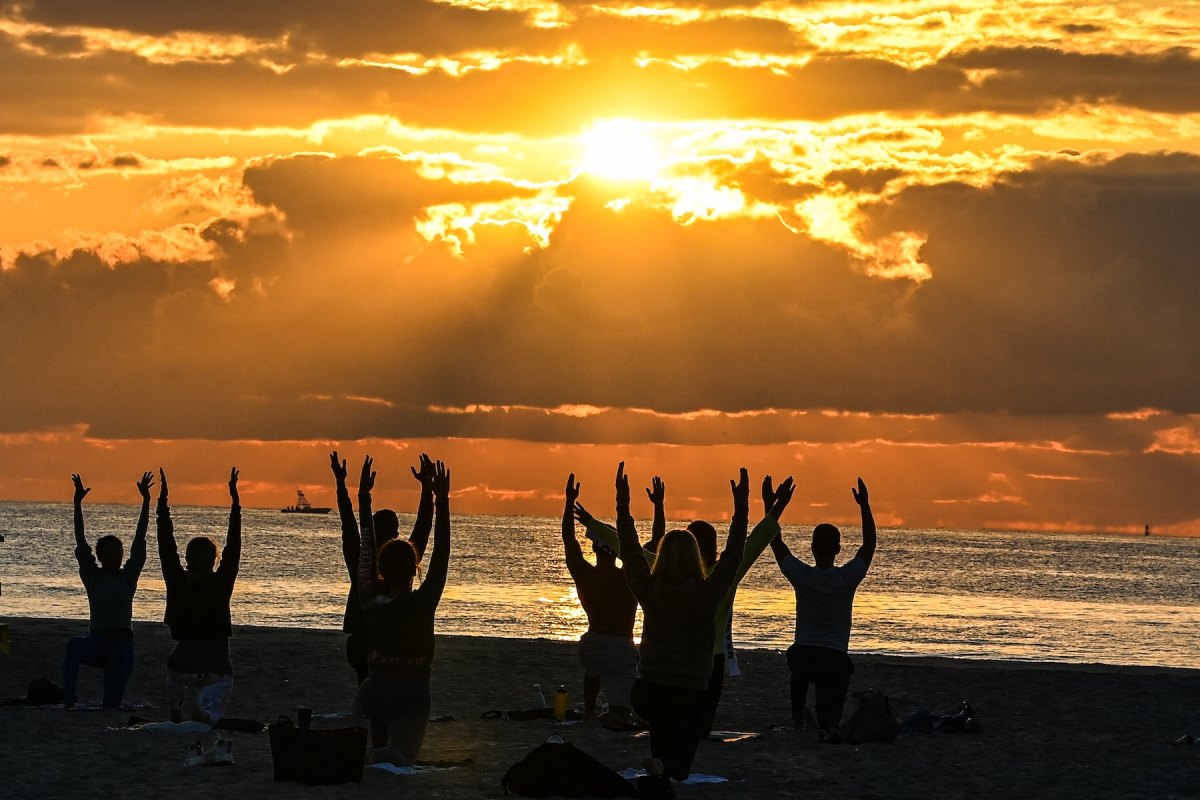


Burnout, grief, addiction and unresolved trauma rarely respond to a long weekend off — and a growing number of Americans are seeking deeper, more structured help. Recovery retreats, which blend clinical therapy with holistic wellness practices, have moved from the wellness fringe into mainstream demand, with programs across the country pairing immersive stays with mindfulness, somatic work and community-based healing.
A 2025 report from the Global Wellness Institute projects the global grief-counseling market alone will reach roughly $4.52 billion by 2029, up from an estimated $3.67 billion in 2025 — a signal of just how much travelers are willing to invest in emotional recovery.
How Recovery Retreats Work
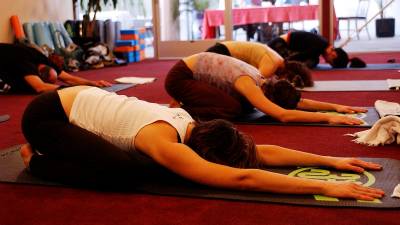
Unlike a standard wellness vacation, a recovery retreat is built around emotional and psychological healing. Programs typically run from a few days to several weeks and combine evidence-based therapies with holistic offerings such as yoga, meditation, equine therapy, somatic counseling and grief-focused workshops.
Many retreats also include accommodation, meals, group excursions and pre- and post-retreat support so guests can sustain progress after they go home. The model is designed to compress months of outpatient work into an intensive immersion — the Bridge Recovery Center in Utah, for example, limits its three-week sessions to 15 guests and describes its mission as immersing participants in practices that might otherwise take years to develop through traditional therapy alone.
Why Demand for Recovery Retreats Is Rising
The post-pandemic mental health landscape, rising rates of burnout and a renewed cultural openness around grief have all fed demand. Sabine Wensink of Surf Therapy Travel told National Geographic: “Some guests are mourning a loved one; others are navigating major life transitions or feeling overwhelmed by the pace of modern life.”
That breadth — bereavement, divorce, chronic illness, addiction, executive stress — explains why the category has expanded so quickly. Retreats now market themselves to specific audiences, from women in early recovery to professionals who need to stay connected to work during treatment.



8 Top Recovery Retreats Across the U.S.
These eight U.S.-based programs reflect the range of what recovery retreats currently offer:
- Four Day Grief & Trauma Retreat: Summer Soul Healing in New Orleans focuses on grief, heartbreak, trauma and divorce recovery through shamanic healing, daily yoga and meditation, specialized workshops and group reflection. The package includes airport transfers, three nights of accommodation, a one-hour treatment and pre- and post-retreat support.
- Four Day Mental Health & Wellness Retreat in Winter Park, Colorado, targets stress management and nervous system regulation through pranayama, yoga, guided nature hikes and workshops aimed at improving sleep and mindfulness.
- Whole Truth Retreat runs programs in the U.S. and abroad, combining juice fasts, plant-based medicines, therapeutic yoga and somatic counseling — sometimes used to support post-traumatic stress disorder recovery — and positions itself as complementary to Western medicine.
- The Bridge Recovery Center near St. George, Utah, blends structured clinical programming with holistic care for guests dealing with fibromyalgia, depression, lupus and mood disorders.
- SHE RECOVERS Foundation hosts trauma-informed retreats for women at a 46-acre ranch in Texas Hill Country and at a seaside location in York Harbor, Maine. The Texas program features equine therapy, plunge pools, saunas and fireside ceremonies; the Maine program centers on ocean cold plunges, labyrinth ceremonies and beach walks.
- Rio Retreat Center on the grounds of The Meadows offers multi-day intensives on trauma, addiction, grief and relationship healing, with private intensives available for guests seeking more customization.
- The Dunes East Hampton is a 17-acre private estate in the Hamptons offering executive addiction treatment, with a focus on alcohol dependence and binge drinking, while allowing professionals to stay connected to work during treatment.
- Heart Healing Wellness Retreat in California’s Sierra Nevada foothills emphasizes emotional healing through free-flow art, grief letter writing, grief yoga, a Himalayan salt cave and a soundproof rage room, closing with an intention-setting ceremony.

What to Expect From a Recovery Retreat
Most programs share a few common elements: small group sizes, structured daily schedules, a mix of therapeutic and holistic offerings, and an emphasis on aftercare. Costs and intensity vary widely — a four-day group retreat looks very different from a three-week clinical immersion — so prospective guests are typically encouraged to match the program to the issue they are working through.
The category is not a substitute for ongoing mental health care, and reputable operators say so openly. But for travelers looking for a focused, supported reset, recovery retreats have become one of the fastest-growing corners of the wellness economy.