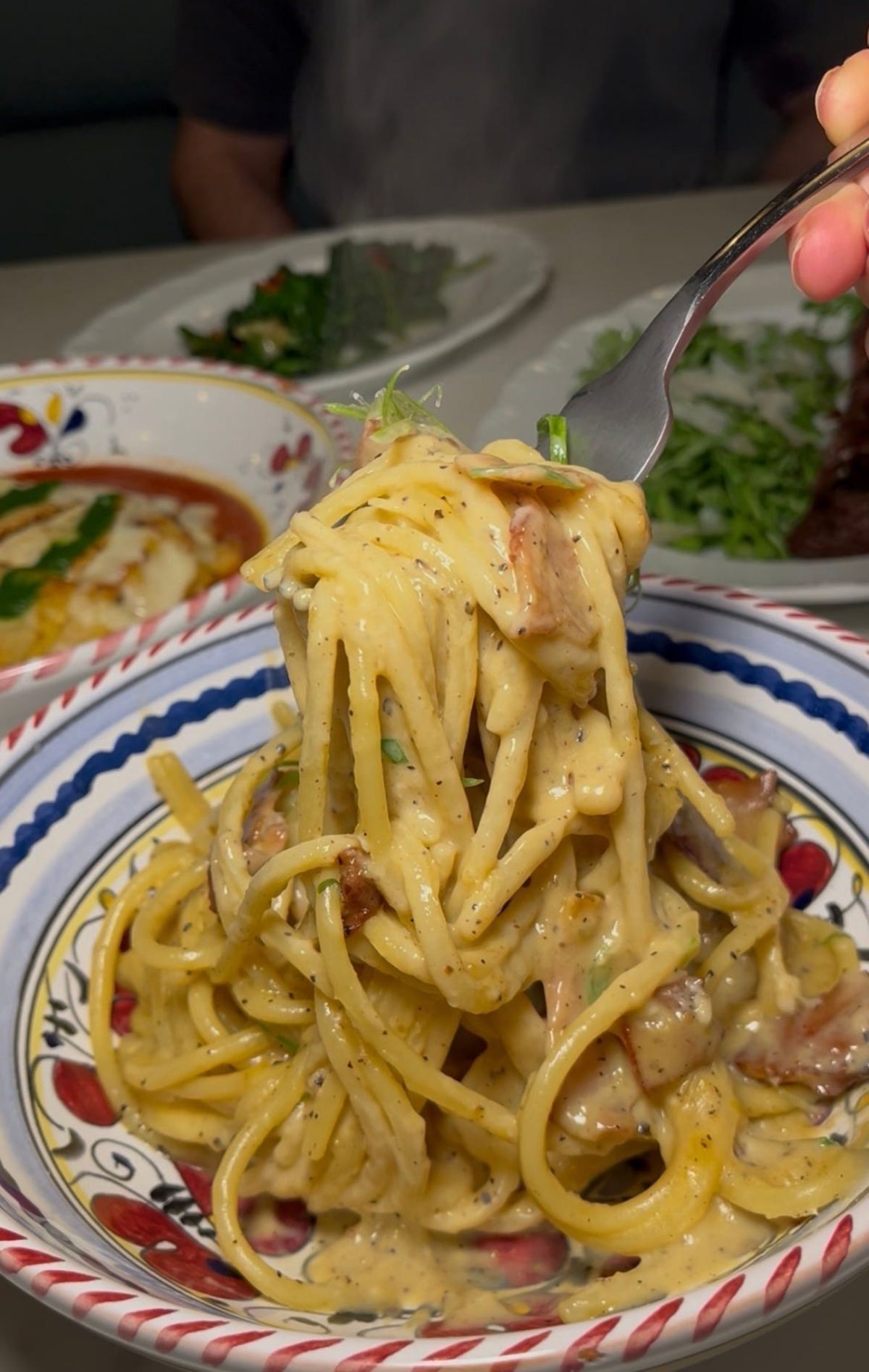


Pasta is a weeknight staple in millions of American kitchens, but if you’re watching your glucose, you may be wondering whether that bowl of spaghetti is working against you. Here’s what dietitians and diabetes educators say about pasta, blood sugar and the swaps worth considering.
Does Pasta Spike Your Blood Sugar?
Yes, pasta can raise your blood sugar — but typically more gradually than other refined carbs like white bread or sweets.
“Pasta is a carbohydrate, so it breaks down into glucose during digestion and can raise blood sugar levels, especially when eaten on its own or in large portions,” Gina Hassick, M.A., RD, LDN, CDCES, NCC, told Eating Well.
The good news: pasta’s structure works in your favor compared to other foods that raise blood sugar quickly. “Pasta tends to raise blood sugar more gradually than foods like white bread or sweets, thanks to its naturally lower glycemic index,” Hassick said. “The protein structure of pasta slows digestion, which can help prevent sharp blood sugar spikes compared to other refined grains.”
Gina R. Wimmer, M.Ed., RDN, LD, a registered dietitian nutritionist specializing in diabetes care at Mayo Clinic in Minnesota, made a similar point about the broader category of grains.
“I think people’s brains automatically go to the breads, cereals, rice, pasta — that grouping,” Wimmer said. “And that’s true — those do raise your blood sugars. But white rice is probably going to jump those blood sugars a little bit more quickly than something like brown rice or wild rice.”
What Pasta Alternatives Are Best for Blood Sugar?
Some substitutes for traditional pasta noodles add fiber and protein that help blunt glucose response, experts say.
“Whole-grain or legume-based pastas can be helpful options for some people because they provide more fiber and protein,” Hassick said.
Banza, the company that makes noodles from garbanzo beans, said its “Chickpea Pasta, Brown Rice Pasta and Brown Rice Mac & Cheese have been glycemic index tested and fall within the low-GI range.” The company added that “individual responses can vary based on portion size, preparation and meal composition.”
Health also points to konjac noodles, edamame pasta and lentil pasta as alternatives that tend to land lower on the glycemic scale than traditional semolina pasta.
How Can You Cook Pasta to Lower Its Blood Sugar Impact?
Two simple kitchen tricks can reduce pasta’s effect on blood sugar. Both methods change the starch structure in ways that slow digestion.
“Overcooked, softer pasta is digested more quickly and may lead to higher blood sugar responses than pasta cooked al dente,” Hassick said.
Cooling and reheating pasta creates resistant starch, which behaves more like fiber in the body. “The reheated pasta is a good source of resistant starch, which has a lower impact on blood sugar levels,” said Sheri Gaw, RDN, CDCES.



According to Health, “Some research suggests that pasta’s structure requires more chewing and resists breakdown during digestion. These large starch-protein complexes are digested more slowly, which can lower post-meal blood sugar.”
What Is the Right Pasta Portion for Blood Sugar Control?
“I recommend limiting portions of pasta to about 1 cup cooked or 2 ounces of dried pasta,” Gaw said. “Pair pasta with a generous portion of veggies and 3–4 ounces of protein for better blood sugar balance.”
Smaller servings also mean fewer total carbs hitting your system at once. “Smaller servings of pasta will naturally lead to lower blood sugar responses because they limit total carbohydrate intake,” per Health. Pairing pasta with non-starchy vegetables, lean protein and healthy fats is one of the most effective strategies for keeping a pasta dinner from becoming one of the foods that raise blood sugar most dramatically.