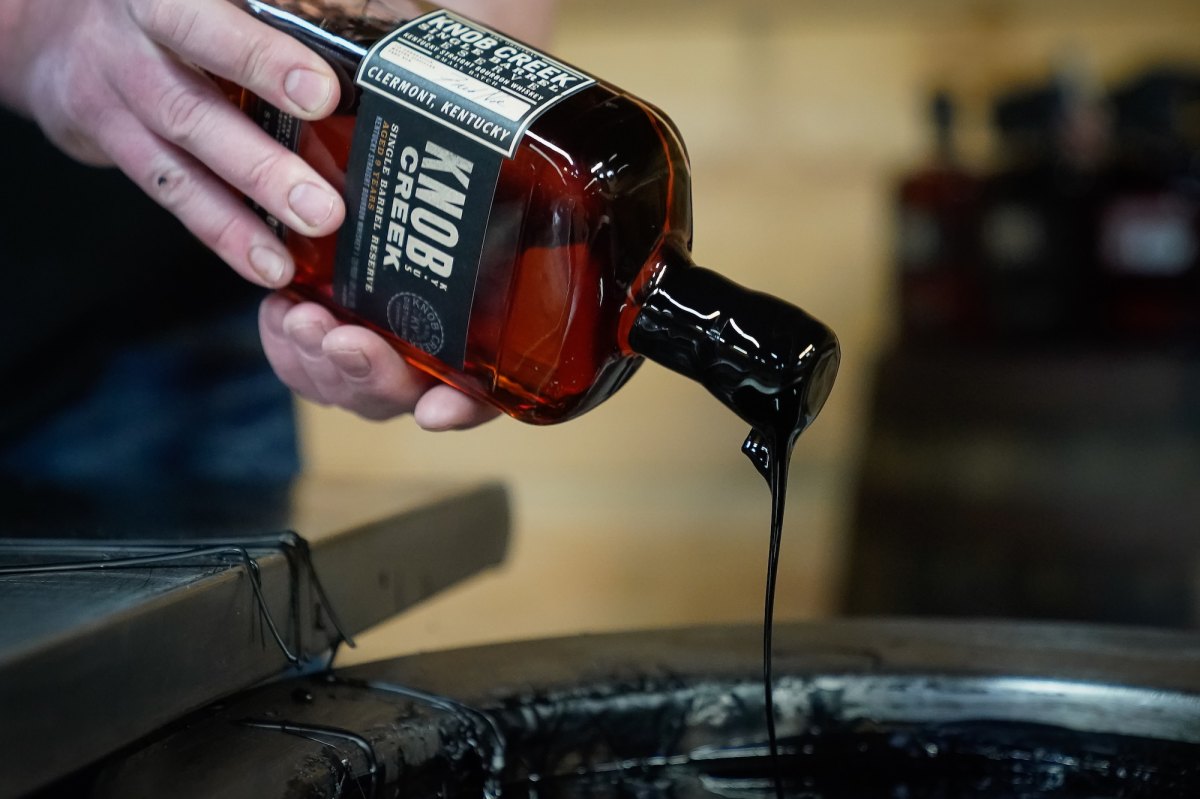


Bourbon tourism has exploded into one of the South’s signature travel experiences, and the Kentucky Bourbon Trail sits at the center of it. Whether you’re a longtime whiskey collector or simply curious about how America’s native spirit gets made, this self-guided driving tour offers an immersive look at the distilleries that produce 95 percent of the world’s bourbon.
Planning a trip takes more legwork than you might expect. Tours book up months in advance at the most popular stops, distilleries are spread across multiple regions, and figuring out logistics — from transportation to lodging to which distilleries to prioritize — can make or break the experience. Here’s what to know before you go.
What the Kentucky Bourbon Trail Actually Is
The Kentucky Bourbon Trail is a self-guided driving tour through Kentucky’s most iconic bourbon distilleries, officially launched in 1999 by the Kentucky Distillers’ Association. It has since grown into two distinct experiences: the original main trail, which features the household-name producers, and the Kentucky Bourbon Trail Craft Tour, which highlights smaller, artisan distilleries for travelers who want a more intimate look at the process. The two combined now make up what is considered the official Kentucky Bourbon Trail.
Kentucky is considered the birthplace of American bourbon, and the numbers very clearly back that up. The official welcome center for the trail sits on the first floor of the Frazier Kentucky History Museum in Louisville, making it a logical first stop for travelers building out their itinerary.
Which Distilleries to Put on Your List
The trail includes more than 60 locations, but the marquee stops tend to be the names you already recognize. Major distilleries on the main route include Maker’s Mark, Woodford Reserve, Jim Beam and Wild Turkey. Each offers its own take on the bourbon-making process, from the wax-dipped bottling line at Maker’s Mark to the historic limestone buildings at Woodford Reserve.
The distillery trail spans several regions: Northern Kentucky, Central Kentucky, Western Kentucky, Louisville, Lexington and Bardstown. Trying to hit every stop in a single trip isn’t realistic — the official site recommends picking one region and focusing on visiting multiple distilleries within it for a more convenient experience. Travelers looking for smaller-batch operations should turn to the Craft Tour, which showcases boutique producers that often allow closer access to the people actually making the bourbon.

What to Expect on a Distillery Visit
Most distilleries offer guided tours that walk visitors through the full production process, including grain mashing, fermentation, distillation and barrel aging. Tasting experiences vary widely from stop to stop. Some are free, while others are ticketed and range from basic flights to premium experiences featuring rare or limited-release pours.
Gift shops are standard, and many distilleries sell exclusive bottles, barrel picks and merchandise that can only be purchased on-site. For collectors, that alone can justify a visit. Tours typically run one to two hours, so it’s worth checking each distillery’s website ahead of time to gauge how long you’ll spend at each stop and what add-on experiences are available.
How to Plan Your Kentucky Bourbon Trail Trip
Timing matters. The best windows to visit are spring and fall, when the weather is mild — Kentucky summers run hot and humid, and major holiday weekends bring bigger crowds. Booking tours 30 to 90 days in advance is common, and popular distilleries fill up fast, particularly on weekends.
Transportation requires real planning. Designate a driver or use a guided bourbon tour company or shuttle service to move safely and efficiently between stops. Budget at least one to two hours per distillery, and factor in drive times between regions, which can stretch significantly depending on which stops you choose.


A few practical notes:
- Most distilleries are open year-round, but hours vary — always confirm before you go.
- Some locations sit in rural areas with limited cell service, so download offline maps in advance.
- The official site offers hotel recommendations spanning small local bed-and-breakfasts to chain hotels.
- Trying to hit every stop in a weekend, or even a week, isn’t feasible given the trail’s geographic spread.
Beyond the Bourbon: Food, History and Scenery
The trail isn’t just about what’s in the glass. Many distilleries sit on stunning historic properties worth visiting for the scenery alone, and tours often dig into the history of the land and the families who built the operations — not just the bourbon itself.
Food is another draw. Kentucky’s culinary scene on and near the trail spans everything from dishes by James Beard Award-winning chefs to classic regional cooking, giving travelers plenty of options between tastings. Pairing a distillery day with a notable meal — or a stay at a historic inn — can turn a straightforward bourbon trip into a broader exploration of the state.